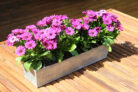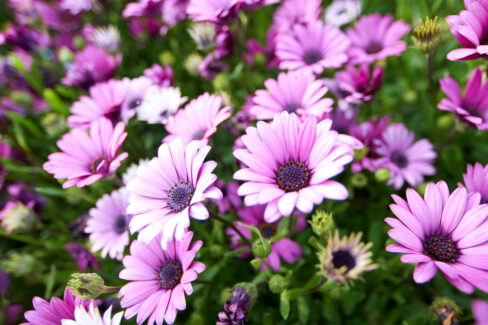
The African Daisy (Osteospermum) is a total showstopper, bringing bold, vibrant colors to your garden beds or balcony containers. If you want to know exactly when these beauties bloom and how to keep them looking spectacular all season long, you’re in the right place. Just follow these tried-and-true tips!
What to Expect from African Daisy Blooms
Since African Daisies hail from warmer southern climates, they really hit their stride once the weather warms up. Generally, you can expect a gorgeous display throughout the summer months. The best part? These intense flowers are repeat bloomers, meaning you’ll get to enjoy their colors for a long stretch of time.
The first big flush of flowers usually happens from June to July. After that, the plant takes a little breather. Don’t worry, though—after a few weeks, you’ll be treated to a second round of blooms! If you have them in balcony boxes, don’t be too quick to clear them out or swap them for fall mums. These plants often have more to give and can keep blooming right into autumn.
Quick facts about African Daisy flowers:
- Appearance: Classic daisy-like “basket” blooms
- Shape: Perfectly round petals
- Colors: Intense shades of yellow, orange, pink, purple, or crisp white
How to Keep the Blooms Coming
If you want to extend the flowering season, the secret is deadheading. Snip off those faded flowers during the first bloom cycle to encourage the plant to produce more. You should also prune away any wilted bits in the fall. This helps the plant stop wasting energy on dying parts so it can prep for its winter dormancy. Just keep in mind that these guys can’t handle a hard frost. If you’re planning on overwintering your African Daisies, make sure to bring them inside before the temperatures dip too low.
When it comes to watering, consistency is key, but don’t overdo it. They like a drink, but they hate “wet feet.” Too much moisture at their planting site can lead to root rot. Always avoid standing water and try to keep the soil on the drier side. This mimics their natural habitat and keeps the plants much happier in the long run!