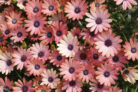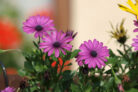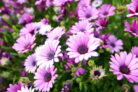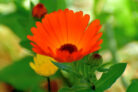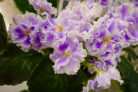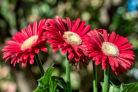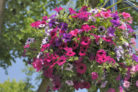
The African Daisy (Osteospermum) is a total showstopper that brings a massive pop of color to any garden. But if you want those blooms to really thrive, you’ve got to put them in the right spot. Here’s the lowdown on finding the perfect home for your plants and making sure they have everything they need to flourish. Just follow these simple tips!
This Little Beauty is a Total Sun Worshipper
As the name suggests, African Daisies hail from South Africa, where they get drenched in sunshine. Even if you’re growing them here at home, you need to mimic that environment by giving them a spot with plenty of direct light. If you tuck them away in the shade, you might miss out on those gorgeous flowers entirely.
The best spots for planting include:
- Balkonies or patios with a southern exposure
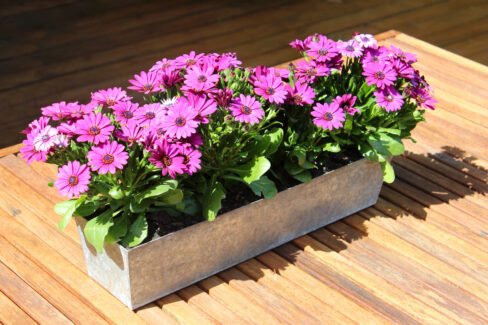
- Window boxes on the sunny side of the house
- Garden beds that get full sun throughout the day
You’ll also want to find a spot that’s protected from harsh winds. As long as the environment is right and the soil is good, African Daisies make fantastic “filler” plants or companions for other sun-loving flowers. They really are a beautiful addition to almost any flower bed.
What Kind of Soil Do They Need?
One thing African Daisies hate is “wet feet”—so avoid planting them in soggy, heavy soil. The good news? They don’t need a ton of watering, which actually saves you some garden chores! They do best in soil that has a bit of loam in it. Soil enriched with humus or plenty of nutrients will also keep them very happy.
The ideal soil should be:
- Well-draining substrate
- Mixed with a bit of sand for aeration
- Rich in nutrients
To keep the nutrient levels up, you can give your daisies a boost with the right fertilizer at the start of the season. Mixing some humus or organic compost directly into the soil works wonders. These plants are also perfectly happy in pots or window boxes. During their blooming period, the intense colors create a stunning focal point. Plus, compared to a lot of other flowering plants, these guys are pretty low-maintenance when it comes to general care and winter protection.