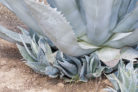
Over the course of its life, a healthy agave will sprout plenty of little “pups” around its base. This area, often called the crown or stem region, becomes quite the gathering spot as the plant matures. These little offshoots are exactly what you need if you’re looking to expand your succulent collection!
Where to Find the Pups
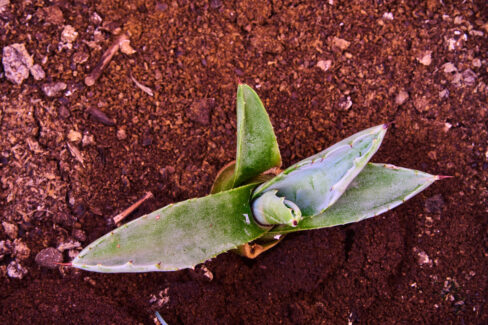
Agave offshoots are affectionately known as “pups” (or *kindel* in botanical circles), and with a little bit of care, they are super easy to remove. Biologically speaking, these side shoots are miniature clones of the mother plant that are still attached to the main system. Most of the time, you’ll find them snuggled up right at the base of the agave, close to the roots.
In rarer cases—usually in warmer, Mediterranean-style climates—you might see pups growing directly on the flower stalks. However, since producing these “aerial” pups takes a ton of energy, those of us in more temperate zones will mostly see them popping up from the soil. Once they establish themselves, they’ll start developing their own independent root systems pretty quickly.
Propagating Your Pups: A Step-by-Step Guide
If you want your agave to stay happy and healthy for the long haul, it’s a good idea to repot it into a larger container every two or three years. This is the perfect time to harvest those pups! Here’s how to do it:
- Carefully snip the pups away from the mother plant using a clean blade.
- Gently untangle the young plant’s small roots from the mother’s larger root system (using your fingers is usually the safest bet here).
- Pot the babies in a gritty succulent mix—look for something with a high gravel or perlite content to ensure great drainage.
- Place a glass jar over the new planting: This creates a mini “greenhouse effect” that helps the young agave thrive during its first few weeks.
By following these steps, you’ll have a whole new family of agaves in no time, and you’ll be giving the mother plant some much-needed breathing room to keep growing. While this is definitely the fastest and easiest way to go, there are a few other cool ways to propagate agaves if you’re feeling adventurous.
Caring for Your New Agave Babies
Since agaves are desert natives, they aren’t big fans of “wet feet.” Give the pups a light watering right after planting, but be careful not to overdo it—they can rot easily if the soil stays soggy. Agaves are slow growers by nature, but you can give them a little boost by lifting the glass jar every now and then to let them “breathe” and circulate some fresh air.