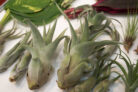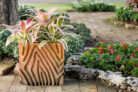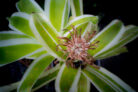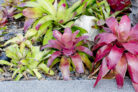
For many of us plant parents, there’s nothing quite as satisfying as growing your own indoor jungle from scratch. When it comes to bromeliads, your best bet is definitely working with offsets (or “pups”). While you *can* grow them from seed, it’s a pretty slow and finicky process that most hobbyists prefer to skip.
Where do I get bromeliad offsets?
If you already own a bromeliad, you’re in luck—the plant actually does the hard work for you! You just have to be patient. Wait for your bromeliad to bloom. It might take a few years to get there, but don’t let that discourage you; once that bloom finally arrives, it lasts for weeks.
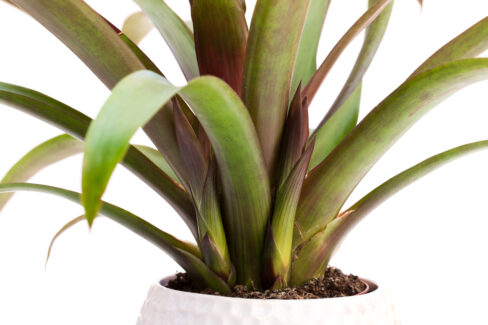
Once the flower starts to wither, the mother plant shifts all its energy into creating the next generation. You’ll start to see little “pups” sprouting at the base of the plant. To help them along, keep up with your regular care routine and make sure they get enough water. Lukewarm rainwater is the gold standard here, but room-temperature tap water that’s sat out for a bit works just fine too.
How do I care for the pups?
The golden rule is to leave the offsets attached to the mother plant until they look like miniature versions of the parent. You’re looking for a clearly defined leaf rosette and at least a few visible roots. Once they’ve reached that stage, you can carefully snip them off and move them to their own pots. Throughout this whole growing phase, make sure they stay in a warm, bright spot.
When you’re ready to pot them, use a specialized bromeliad soil. You want something well-draining and lime-free. If you’re dealing with epiphytic species (the ones that grow on trees in the wild), they don’t need traditional potting soil at all—they prefer a coarse substrate, very similar to orchid mix.
Quick Summary:
- Offsets (pups) grow naturally at the base of the mother plant.
- A warm, bright location is key for healthy growth.
- Keep caring for the mother plant as usual until the pups are ready to be removed.
- Plant separated pups in specific bromeliad mix.
- Regularly fertilize your young plants.
- Water with lukewarm, low-lime water (rainwater is perfect!).
Pro Tip: Don’t pick a pot that’s too tiny for your new plants. Choosing a slightly larger size gives the roots plenty of room to get established, meaning you won’t have to worry about repotting again anytime soon.