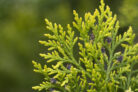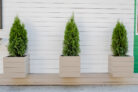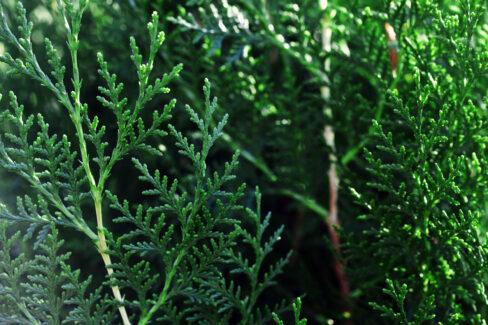
If you’ve already got a beautiful Arborvitae (Thuja) in your yard and find yourself wanting another one—or maybe even a whole privacy hedge—I’ve got some great news: you can propagate them yourself! While it takes a little patience, following a few simple steps will help you grow your own Thuja from scratch.
What are the best ways to propagate Thuja?
To get started, you’ll just need access to a healthy “mother” plant. If you don’t have one yet, check with a neighbor or friend! While growing your own hedge takes more time than buying mature trees at a nursery, it’s a massive money-saver. There are two main ways to go about it:
- Planting cuttings
- Sowing seeds
Propagating Arborvitae with Cuttings
Using cuttings is by far the most popular way to propagate Thuja. The best part? The new plants will be clones of the mother plant, so you’ll know exactly what their growth habit, shape, and color will look like. Plus, cuttings generally have a much higher success rate than seeds. Just make sure you’re picking healthy, vigorous shoots.
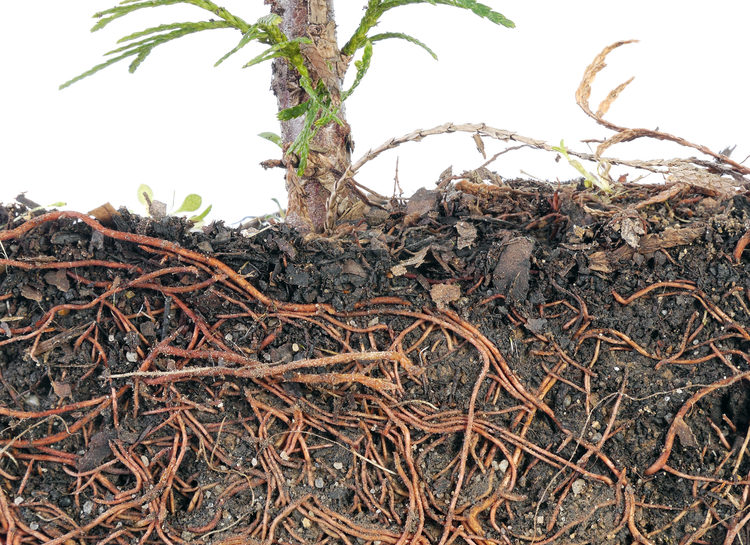
Technically, the best method here is using “heel cuttings.” Instead of a clean snip with shears, you actually pull the shoot away so a small piece of the old bark (the “heel”) stays attached. This little tail of bark makes it much easier for the plant to strike roots. I always recommend planting more than you think you’ll need, just in case a few don’t make it. Here’s how to set them up for success:
- Take your cuttings in early to mid-summer.
- Dip the torn end in rooting hormone to give those new roots a head start.
- Place the cuttings in a pot. Use a dedicated seed-starting mix or a 50/50 blend of garden soil and sand.
- Give the soil a good watering.
- Find a bright spot for the pot that stays around 68°F (20°C). A small greenhouse is perfect, but you can also just pop a clear plastic bag over the pot to create a mini-dome.
- Keep the soil moist, but never soggy—you don’t want the stems to rot.
- If you’re using a plastic bag, lift it once a day to let in fresh air and prevent mold.
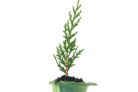
- Once you see new green growth starting at the top, you can plant your new Arborvitae in its permanent spot in the yard.
Growing Thuja from Seed
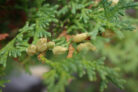
Growing from seed is a bit more of a gamble. Thuja seeds aren’t “true to seed,” meaning the offspring might look different than the parent plant. It also takes several months just for them to germinate, and some varieties—like the popular ‘Smaragd’ (Emerald Green)—rarely produce seeds at all. If you’re feeling adventurous, harvest the seeds in the fall and plant them immediately in moist soil. These are “cold germinators,” so they actually need a chilly period to wake up and start growing.