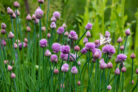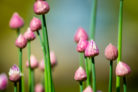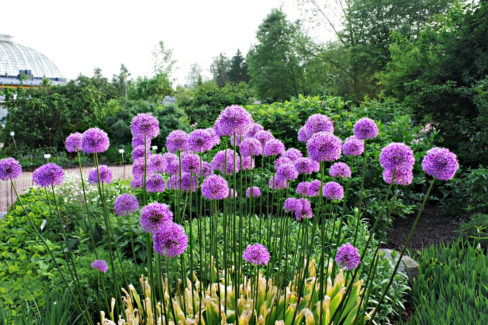
Ornamental onions, or Allium, are a fantastic addition to any home garden. While they certainly hold their own as a focal point, they really shine when paired with the right companions. Mixing them with other plants isn’t just about looks, though—it’s actually a smart gardening hack!
Why You Should Mix Allium with Other Plants
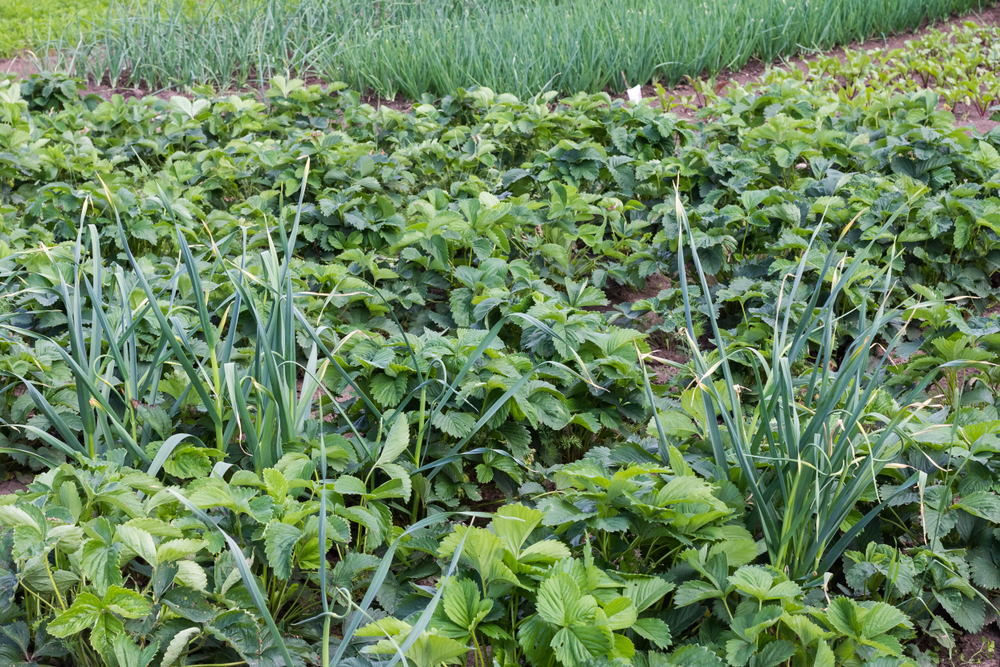
Sure, you can plant Allium solo, but there’s a big advantage to giving them some neighbors. You see, Allium foliage has a habit of turning yellow and looking a bit “blah” quite early—sometimes even while the flowers are still in full bloom. By planting them among other lush greenery, you can perfectly hide those fading leaves and keep your garden beds looking fresh.
Choosing the Right Neighbors for Your Allium
When picking out roommates for your Allium, you’ll want to keep a few things in mind. The best companions are those that share:
- Similar sunlight and care requirements
- Compatible growth habits and sizes
Matching Sun and Soil Needs
Allium thrives best in sunny, dry locations. They love well-drained soil and really can’t stand “wet feet” or waterlogging. To make sure your garden bed stays healthy long-term, choose neighbors that also enjoy soaking up the sun and don’t mind things on the drier side.
Getting the Size Right
Size matters! You want to make sure your plants aren’t competing for space or blocking each other out.
Small Allium Varieties
Low-growing types, like Turkestan Onion or Golden Garlic, should be paired with other petite plants. If you plant them next to something too tall, your little Alliums will get stuck in the shade and won’t get the sunlight they need to thrive.
Large Allium Varieties
Giant varieties, like the impressive *Allium giganteum*, are much more versatile. They play well with both tall and short neighbors. Just keep an eye out to ensure the massive blooms don’t completely overshadow smaller plants nearby.
The Best Companion Plants for Ornamental Onions
Based on their love for the sun and their growth habits, these plants make the perfect partners for Allium in your flower beds:
- Lavender
- Oregano
- Catmint
- Peonies
- Classic garden roses
- Lady’s Mantle
- Geraniums (Cranesbill)
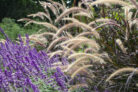
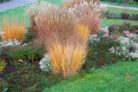
- Ornamental grasses of similar heights
By mixing these in, you’ll create a vibrant, layered look that keeps your garden looking professional all season long!