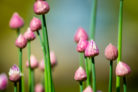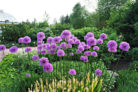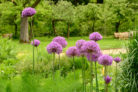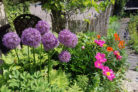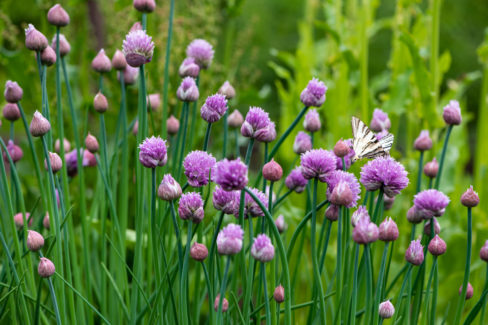
Ornamental onions, or Allium, are a fantastic addition to any home garden. They look stunning whether they’re standing tall on their own or mixed in with your favorite perennials. To make sure your Allium really thrives, there are a few “insider tips” you should keep in mind.
Finding the Perfect Spot
The right location is the secret sauce for healthy growth and those iconic summer blooms. When an Allium is happy where it’s planted, you’ll see it in its vibrant energy and height. To save yourself the hassle of transplanting later, it’s worth taking a moment to pick and prep the perfect spot from the get-go.
Sunny and Warm
Most Allium varieties are sun-worshippers. They love a warm spot that gets plenty of light. As a general rule: the more sun they get, the more spectacular those flower globes will be!
Loose, Well-Draining Soil
Allium does best in soil that is on the drier side, loose, and well-draining. If your garden has heavy or clay-like soil, don’t worry—you can easily fix it by mixing in some gravel or sand to improve drainage.
Two Notable Exceptions
While most Alliums love the sun, there are two popular cousins that play by different rules:
- Wild Garlic (Ramps)
- Golden Garlic (Lily Leek)
These two actually prefer slightly damp, partially shaded to fully shaded spots. In the wild, you’ll find them in moist woodlands or shady clearings, so they’ll be perfectly happy in those cooler, dimmer corners of your yard.
When to Get Your Bulbs in the Ground
Timing is everything when it comes to those spring sprouts. Generally, when you plant your bulbs determines how early they’ll pop up and bloom.
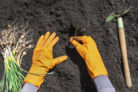
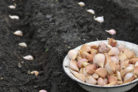
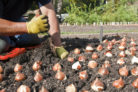
The sweet spot for planting is during those mild, frost-free autumn days between September and November. Planting before winter gives the bulbs plenty of time to establish roots and get a head start on growth. That said, some varieties—especially the late-bloomers or those that aren’t cold-hardy—can still be planted in early spring.
Getting the Planting Depth Right
A good rule of thumb for planting depth is to go about three times as deep as the bulb is tall. For the big guys, like Giant Allium, you’ll want to plant them about 8 inches (20 cm) deep. For smaller varieties like Golden Garlic or Wild Garlic, just a few inches below the surface will do the trick.
Mixing and Matching Allium
One little quirk about Allium is that their leaves start to wither and turn yellow quite early—often before the flower even finishes blooming. It’s not the prettiest look! The best way to handle this is to “hide” the fading foliage by combining them with other plants.
Look for companion plants that enjoy the same sun and soil conditions. You’ll also want to consider the height and spread of your neighbors so they can mask the Allium’s base without crowding them out or stealing all their sunlight.