Companion planting is a total game-changer, especially if you’re working with a small backyard or a few raised beds. Onions are actually one of the best team players in the garden because they pair so well with so many different veggies. That said, you can’t just toss everything together and hope for the best! To get a great harvest, there are a few “rules of the road” you should follow to make sure everyone in the bed stays happy and healthy.
What Exactly is Companion Planting?
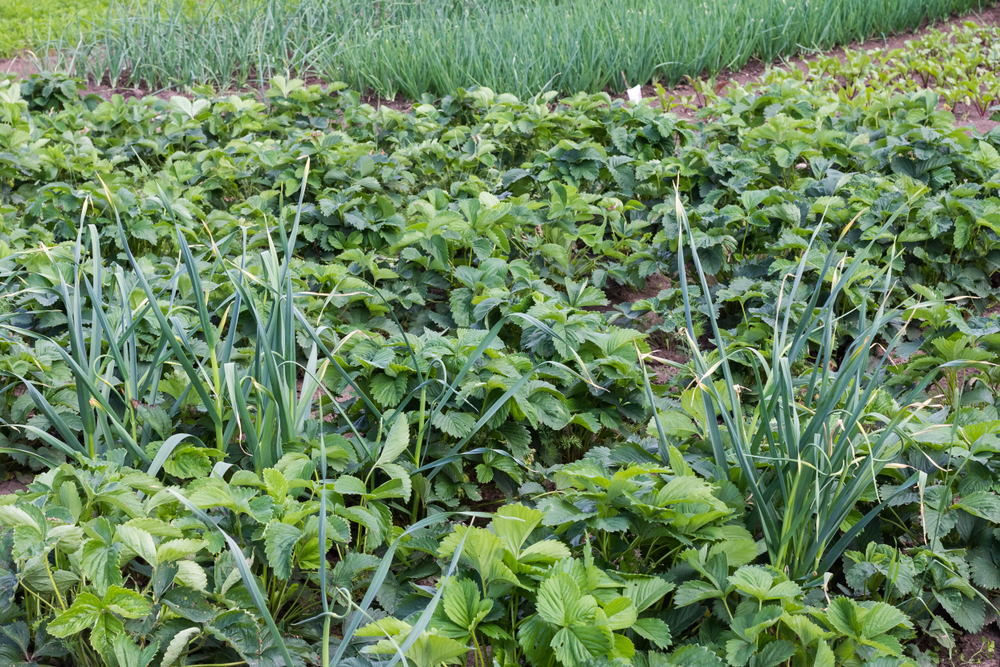
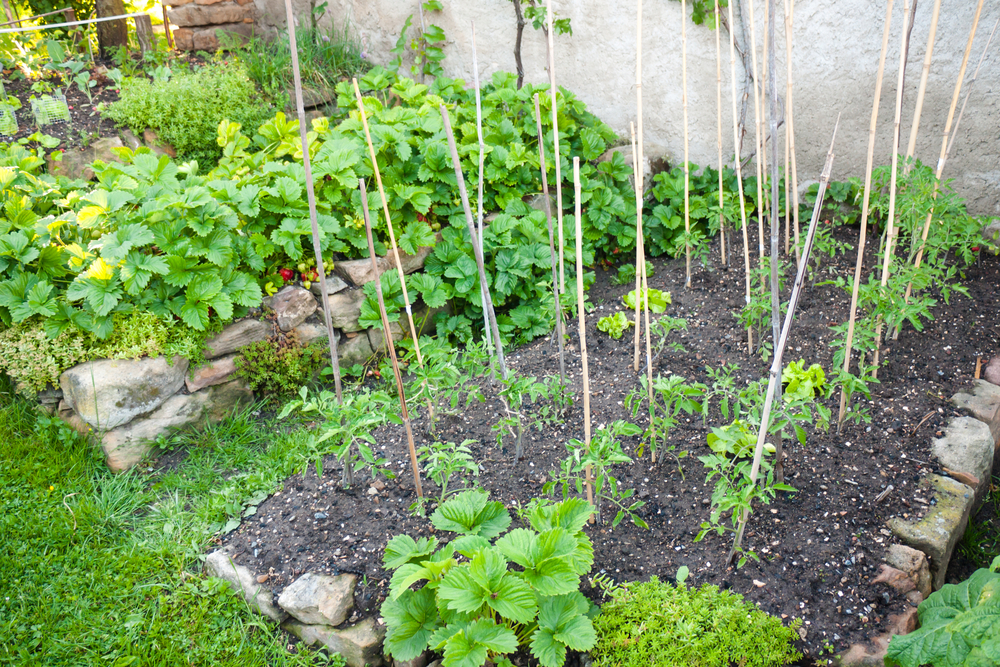
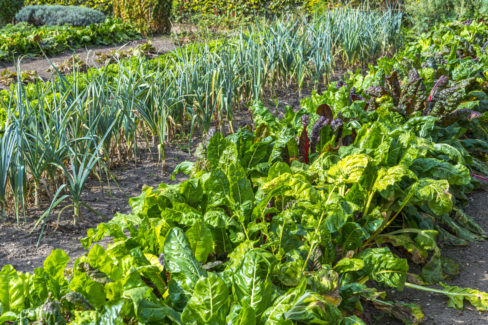
In a nutshell, companion planting (or mixed cropping) is when you grow different types of vegetables and plants right next to each other in the same space. It’s the perfect solution for gardeners who are tight on space but want a big variety of homegrown goodies.
The Perks of Mixing It Up
The biggest win here is efficiency. By interplanting, you’re making the most of every square inch of your soil. But it’s not just about saving space! When you fill your beds with a dense mix of plants, you’re essentially creating a living mulch. This leaves almost no room for pesky weeds to take root, saving you a ton of time on chores.
Using a Companion Planting Chart
If you’re feeling a bit overwhelmed, a companion planting chart is going to be your new best friend. These charts show you exactly which plants love being neighbors and which ones will pick a fight. They also give you a heads-up on crop rotation. For example, you generally don’t want to plant the same family of veggies in the same spot two years in a row, because the first batch likely used up all the specific nutrients that family needs.
Best Buds for Your Onions
If you’re looking for the perfect neighbors for your onions, you’ve got plenty of great options. Some of my favorites include:
- Carrots (a classic pairing!)
- Cucumbers
- Zucchini
- Beets
- Parsnips
- Herbs like dill, chamomile, or savory.
Neighbors to Avoid
Not everyone gets along with onions. You’ll want to be careful with “heavy feeders”—plants that hog all the nutrients in the soil, leaving the onions hungry. You should probably avoid planting onions right next to:
- Potatoes
- Beans
- Peas
- Leeks
Tips for a Successful Mixed Bed
When you’re setting up your onion companions, it’s all about balance. You want to mix things up—pair deep-rooted plants with shallow-rooted ones, and heavy feeders with light feeders. Also, keep an eye on the height of your plants. You don’t want your tall veggies shading out the sun-loving onions. Make sure to give everyone enough elbow room (proper spacing) so they can soak up the sun and grow big and strong!