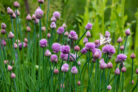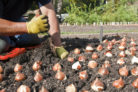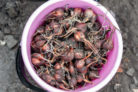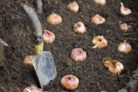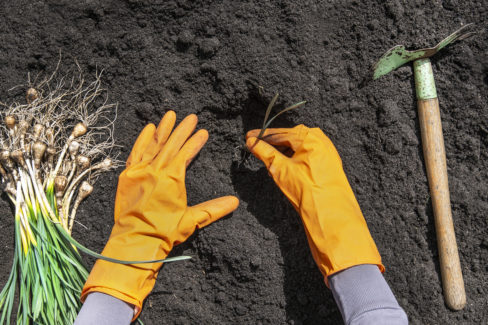
If you’re looking to add some stunning Allium to your garden, it’s not just about finding the perfect sunny spot. Timing is everything when it comes to getting those iconic globe-shaped blooms to thrive. Generally speaking, there are two main windows for planting, depending on how you’re starting your garden.
Planting Allium Bulbs
While you *can* grow Allium from seeds, it’s a bit of a process. Seeds need a “cold treatment” for several weeks in early spring, or you can start them indoors on a windowsill and transplant them once they’ve gained some strength.
Honestly? It’s much easier to just plant Allium bulbs. These beauties are perennials, meaning they’ll pop back up every spring to say hello. You have two main options for getting them in the ground:
- In the fall
- In the spring
Planting in the Fall
Fall is hands-down the best time to get your Allium bulbs in the dirt. Aim for a mild, frost-free day sometime between September and November. Planting in the fall is a game-changer because it gives the bulbs plenty of time to establish a strong root system before the ground freezes. Often, they’ll even start forming little sprouts underground during the winter!
A good rule of thumb: the earlier you plant them in the fall, the earlier they’ll wake up and bloom once spring rolls around.
Planting in the Spring
For certain types of Allium, a spring planting actually makes more sense. This is usually the case for varieties that aren’t cold-hardy, annual types, or very late-blooming species. If you wait until spring to plant these, you can expect to see their flowers around August.
Just a heads-up: if you try to plant standard, hardy Alliums too late in the spring, they might not have enough time to root properly. If that happens, don’t be surprised if they skip their flowering cycle for the summer.
Non-Hardy Ornamental Onions
Most ornamental onions (Allium) are tough as nails and can stay in the ground all year long. However, there are a few “tender” varieties that can’t handle a deep freeze. You’ll need to dig these up in the fall, store them somewhere cozy for the winter, and replant them in the spring once the temperatures have warmed up.
Letting Allium Do the Work for You
If you want a garden full of Allium, you don’t always have to do the heavy lifting. Under the right conditions, these plants are great at self-seeding and spreading on their own. If you notice a little sprout popping up in a spot where you didn’t plan for it, no worries! You can easily dig it up and move it to a better location.