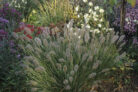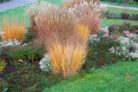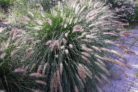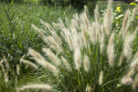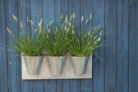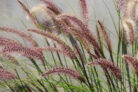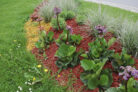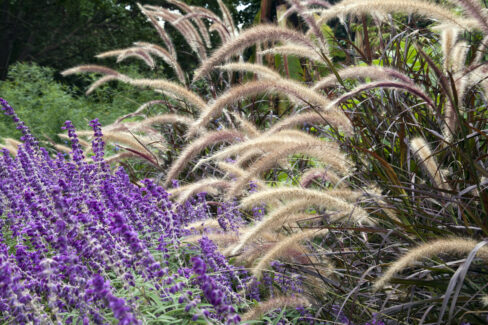
With around 80 different varieties to choose from, Fountain Grass (Pennisetum) comes in a fantastic range of sizes and colors. This variety opens up a world of design possibilities for your backyard! While it looks stunning as a standalone focal point, this ornamental grass really shines when paired with other perennials and grasses.
Which plants make the best companions for Fountain Grass?
Fountain Grass is a team player and gets along with many different plants. The key is making sure its neighbors enjoy the same growing conditions so they can thrive together in the same bed. You can even mix and match different types of Fountain Grass for a textured, layered look.
If you want a garden that peaks in the fall, late-bloomers like Asters or Japanese Anemones are a match made in heaven. For a pop of color that lasts throughout the seasons, try pairing your grass with perennials that bloom at different times. Some of my favorite companions include:
- Lavender
- Sage (Salvia)
- Hybrid Tea Roses
- Oriental Poppies
- Stonecrop (Sedum)
Which plants should you avoid pairing with Fountain Grass?
One thing to keep in mind: Fountain Grass isn’t a fan of living under large trees. It doesn’t handle “root competition” well, and it’ll definitely miss the sunlight it craves if it’s stuck in a tree’s shadow. You should also skip any shade-loving plants that wouldn’t appreciate the bright, sunny spot where Fountain Grass thrives. Avoid pairing it with:
- Monkshood (Aconite)
- Barrenwort (Epimedium)
- Masterwort (Astrantia)
- Wild Ginger (Asarum)
How do you design a perfectly balanced perennial bed?
At the end of the day, your garden should reflect your personal style! Before you start digging, think about whether you want a burst of color all year round or a dramatic display during a specific season. Consider your space and whether you need the plants to serve a purpose, like acting as a natural privacy screen.
Whether you love a high-contrast color palette or a more harmonious, monochromatic look is totally up to you. If you’re feeling stuck, head to your local nursery and group a few pots together to see how they look side-by-side. To keep your garden bed looking intentional rather than overgrown, keep these planting tips in mind:
- Place tall perennials in the back and shorter ones up front.
- Plant in groups using odd numbers (like 3 or 5) for a professional look.
- Use a few “specimen” plants individually to create a natural, effortless vibe.