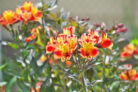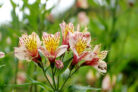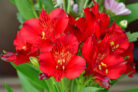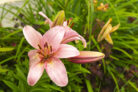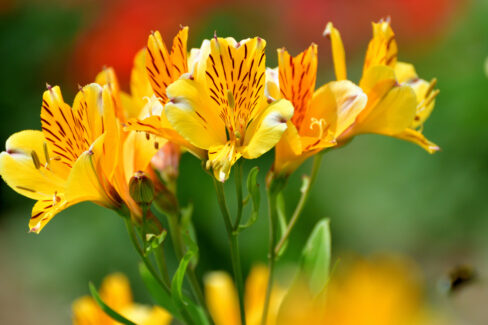
The Peruvian Lily (Alstroemeria) is truly a standout in any garden. With those stunning, exotic blooms, it’s no wonder so many of us love having them around. However, when a cold, harsh winter rolls around, these beauties can run into some serious trouble if they aren’t prepared.
Where the Peruvian Lily Calls Home
The Peruvian Lily originally hails from the subtropical regions of South and Central America. Because of those tropical roots, a typical winter in our neck of the woods can be a real challenge for them. While plant breeders have developed some newer varieties that are a bit more cold-hardy, it’s always better to be safe than sorry. Given the symbolism and meaning of these flowers, they definitely deserve a little extra TLC during the chilly months!
How to Help Your Peruvian Lily Survive the Winter
As Peruvian Lilies get older, they actually get a bit tougher and can handle frosty garden conditions a little better. If you’re expecting a milder winter, you might get away with simply giving them a thick “blanket” of mulch, dry leaves, or straw to protect the roots from freezing. However, if you’ve planted yours in a pot, your best bet is to bring it indoors to overwinter. Once spring arrives, just remember to slowly acclimate the plant back to its outdoor spot.
For young plants or the more delicate varieties, you’ll want to be extra cautious—especially if the forecast calls for a deep freeze. Always keep their subtropical heritage in mind; even a biting, icy wind can do a lot of damage. These guys are happiest spending the winter in a greenhouse, a sunroom, or even a cool room inside your house. Aim for temperatures between 55°F and 60°F (12-15°C). You can cut back on watering, and there’s no need to worry about fertilizer until spring.
Quick Tips for Winterizing Peruvian Lilies
- Young plants and sensitive varieties need a protected spot indoors.
- Greenhouses or sunrooms are the gold standard for overwintering.
- Wherever you keep them, the space must be frost-free.
- Aim for a steady temperature between 55°F and 60°F.
- Skip the fertilizer during the dormant season.
- Water sparingly—just enough to keep them from drying out completely.
- For established plants staying in the ground, use a heavy layer of leaves or straw for insulation.