When it comes to getting your lilies through the winter, the most important thing to know is exactly which variety you’ve got growing in your garden. While some lilies are tough as nails and can handle the frost without breaking a sweat, others are a bit more sensitive to the cold.
Where Lilies Come From
The reason some lilies are hardier than others comes down to their roots—literally! Lilies are native to a huge range of environments, from the sunny hillsides of Turkey to the rugged peaks of the Caucasus Mountains. Because of this, some species are built for the heat, while others are perfectly adapted to survive harsh high-altitude winters.
Winter-Hardy Lilies
If you want a low-maintenance garden, your best bet is to choose varieties that can stay in the ground all year long. Here are some of the most reliable winter-hardy lilies:
- Asiatic Lily
- Oriental Lily
- Nepal Lily
- Canada Lily
- Chinese Mountain Lily
- Trumpet Lily
- Toad Lily
- Martagon Lily (Turk’s Cap)
- Tree Lily
- Tiger Lily
- Regal Lily
- Fire Lily
- Panther Lily
- Rubrum Lily
Watch Out for Wet Feet
Even if your lily bulbs are frost-resistant, they have one major enemy: soggy soil. This is actually a bigger problem during mild, rainy winters than during freezing ones. If you live in an area with lots of winter rain, it’s crucial to give your lilies plenty of drainage when planting them. Good drainage is the best way to prevent root rot and keep those bulbs happy until spring.
Pruning and Winter Protection
To give your lilies a little extra love, I recommend covering the root area with some evergreen brush or mulch. This helps deflect excess water and adds an extra layer of insulation against deep freezes. Before the snow flies, you’ll also want to prune your lilies. Cutting them back helps the plant focus its energy on regrowth for next year. Just don’t jump the gun! Wait until the leaves and stems have turned yellow or brown before grabbing your shears. The plant needs that foliage in the fall to pull energy back down into the bulb.
Digging Up Bulbs
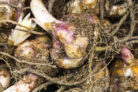
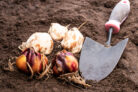
If you want to be 100% safe—or if you’re growing a particularly delicate variety—you can always dig the bulbs up in the fall. Just shake off the excess dirt and let them dry out for about two days. Once they’re dry, tuck them into a pot filled with soil, sand, or sawdust and store them in a cool, dry place until it’s time to plant again in the spring.