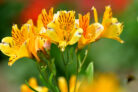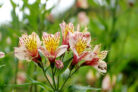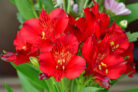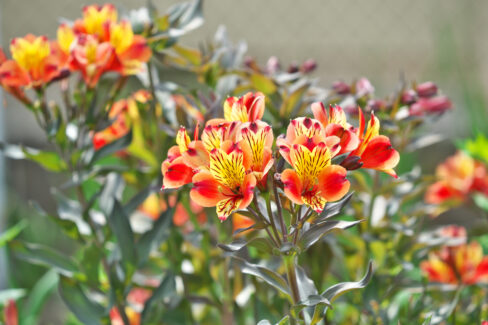
The Peruvian Lily (Alstroemeria) is a total favorite in many of our backyards. While she can be a little high-maintenance at times, those stunning, exotic blooms make every bit of effort worth it! If you’re wondering how to keep yours happy when the temperature drops, you’ve come to the right place. Here is everything you need to know about overwintering your Peruvian Lilies.
Peruvian Lilies and the Cold
It’s no secret that Peruvian Lilies hail from the warm, sunny regions of South and Central America. Because of those tropical roots, they aren’t exactly best friends with freezing northern winters. The good news? Modern breeding has given us some varieties that are much tougher than they used to be. Older, established plants are generally more resilient, but young plants and anything in containers are only partially winter-hardy. One of the symbolic meanings of the Peruvian Lily is devotion—and that’s exactly what she’ll need from you during the winter months!
Winter Care Tips
If you want to leave your lilies in the garden bed, you’ve got to protect them from the frost. A thick “blanket” of brushwood, straw, or fallen leaves is usually enough to keep the roots cozy and safe from the deep freeze. However, if you have young plants planted in pots, it’s best to move them into a greenhouse, a sunroom, or even a cool room inside your house.
The “sweet spot” for overwintering indoors is between 55°F and 60°F (12–15°C). Since the plant goes into a dormant phase during the winter, she won’t be hungry for nutrients—so skip the fertilizer for now. You should, however, keep an eye on the soil and water occasionally to make sure she doesn’t dry out completely. Wait until the last frost has passed in the spring before moving young plants back to their permanent outdoor spots. For older plants, you can start “hardening them off” by placing them outside during mild days to get them used to the fresh air again.
Overwintering Peruvian Lilies: The Essentials
- Peruvian Lilies are native to subtropical climates.
- They are only partially winter-hardy and must be shielded from frost.
- Older, established plants can stay in the garden if protected.
- Use a generous layer of straw or leaves as mulch for outdoor plants.
- Young potted plants should spend the winter indoors in a protected area.
- Adjust your care routine (less water, no fertilizer) during the dormant season.