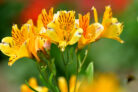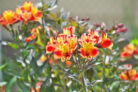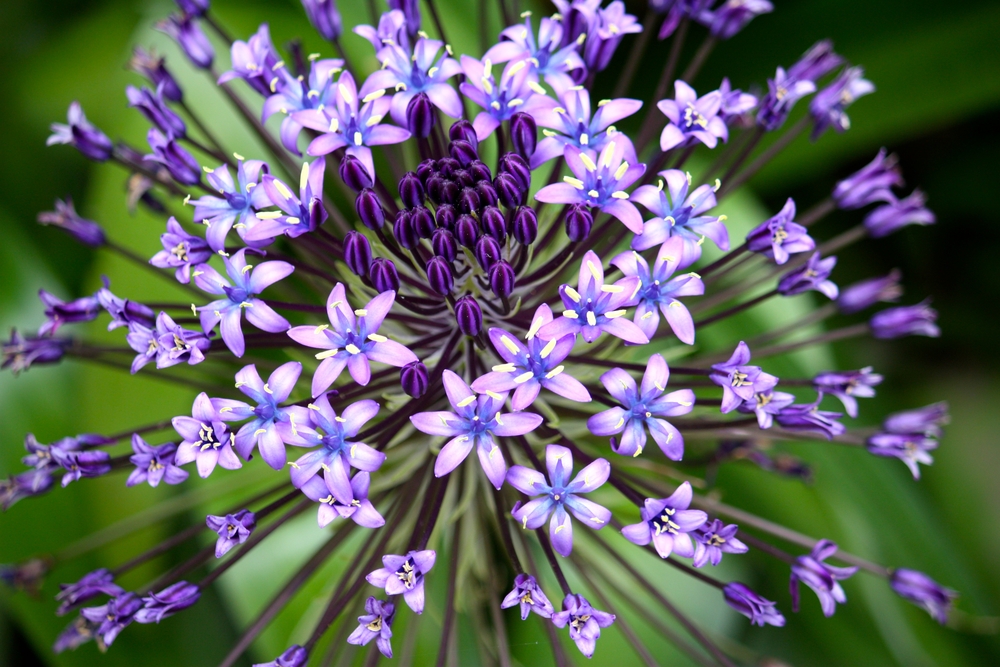
Don’t let the name “Peruvian Lily” (or Peruvian Squill) fool you! Just like almost every other species in the Scilla family, this beauty is actually a European native. Its roots are firmly planted in the Iberian Peninsula, which tells us a lot about how it handles a chilly North American winter.
Bring Them Indoors Before the Frost
Unless you’re already growing your Peruvian Lily in a container, you’ll want to dig it up from the garden once fall rolls around. These plants aren’t exactly fans of the cold; they start struggling as soon as temperatures dip below 45°F (7°C). To stay ahead of the game, make sure to get them inside by September or October, before those first crisp autumn nights set in.
Winter Care Tips
The great thing about the Peruvian Lily is that it’s generally low-maintenance, much like its cousins. This is especially true during its winter dormancy phase when it’s busy storing up energy for next year’s blooms. It’s happiest in temperatures between 50°F and 68°F, so it’ll do just fine right inside your home with you.
A Quick Heads-Up for Pet Parents and Kids
One important thing to keep in mind: the Peruvian Lily, like all Scilla species, is a toxic plant. If you have little ones or furry friends running around, you’ll want to be extra careful. This is especially true for small pets like guinea pigs or hamsters that might go exploring. Believe it or not, the toxins in these plants were actually used as rat poison back in the day! Even for larger pets like cats and dogs, or for us humans, ingestion can lead to some nasty health issues. Some symptoms to watch out for include:
- Irregular heartbeat
- Diarrhea
- Nausea
- Burning sensation in the mouth and throat