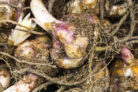
When it comes to exotic-looking plants, we gardeners always find ourselves asking the same question: “How on earth do I get this thing through the winter?” While some lilies hail from places like Turkey or the Caucasus, you might be surprised to learn that many varieties are actually quite tough and can handle a typical cold snap without breaking a sweat.
Don’t skip the pruning
For the most part, lilies are pretty low-maintenance when the temperature drops. The secret to success is clearing away the “above-ground” parts of the plant in late fall. If you aren’t handy with a pair of garden shears, you can usually just wait until the stems and leaves are totally dried out and pull them out by hand.
Timing is everything
The biggest mistake you can make is getting a head start on your winter pruning too early. Hold off on the cutting until the stems and leaves have turned completely yellow or brown. There’s a reason for the wait: the lily is busy pulling all its energy back down into the bulb to store up for next year. If you cut it while it’s still green, you’re essentially cutting off its food supply, making it much harder for the bulb to survive the frost.
Give the roots a cozy blanket
To keep those bulbs safe from deep freezes, it’s a great idea to cover the root area with a protective layer of mulch, dried leaves, or evergreen brush before the first real frost hits. Just remember to clear that “blanket” away in the spring so your lilies have a clear path to poke through the soil and start growing again.
Potted lilies need a little extra love
If you’re growing lilies in pots, the rules change a bit. Because they aren’t insulated by the ground, the bulbs in containers are much more vulnerable to freezing solid. To keep them safe, you’ll want to move your pots into a sheltered winter home once fall winds down. Your ideal storage spot should be:
- Dark
- Dry
- Protected from wind and rain
- Kept at a steady temperature between 40°F and 50°F (5 to 10°C)