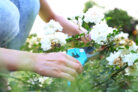
Despite the name, climbing roses aren’t actually natural-born climbers. Unlike ivy, which can aggressively dig into your siding, roses don’t have those “sticky feet” or suction cups to hold themselves up. The big upside? They won’t damage your home’s facade! The trade-off is that they need a little hand-holding—and a sturdy support system—to reach their full potential.
Why do you need to tie down climbing roses?
Technically speaking, a climbing rose isn’t a true climber. Since they can’t grip a wall on their own, you have to guide the canes (the long stems) along a trellis or support structure and tie them in place. This isn’t just about support, though; it’s about design! By tying the canes exactly where you want them, you get to play architect and decide exactly how your rose bush will shape up.
You aren’t limited to just wall trellises, either. Many gardeners love using rose arches or pergolas to create that dreamy, fairytale look in the backyard. You can also use them to green up a bare wall or even dress up a balcony railing. Just keep in mind that unless your wall has a very rough texture, the rose will almost always need a frame to lean on.
Pro tips for securing your climbing roses
- Give the roots plenty of breathing room away from the support base.
- Aim for a horizontal or fan-like pattern when tying canes; this encourages more blooms!
- Don’t crowd the branches; give them space to spread out.
- Use a “loose touch”—don’t tie them so tight that you choke the stem.
Airflow is your best friend when it comes to keeping roses healthy and preventing disease. To keep the air moving, try to install your trellis at least four inches away from the wall. This also gives the roots enough room to spread out and soak up nutrients. And of course, if you want to see those blooms skyrocket, don’t forget to use the right fertilizer to give them a boost!