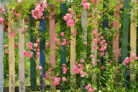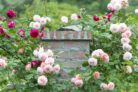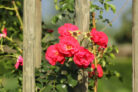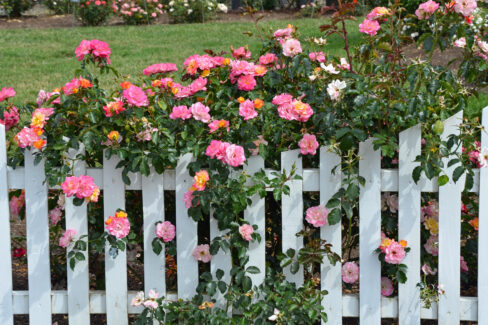
We all know that the stunning blooms are the absolute crown jewels of any climbing rose. So, it’s beyond frustrating when your plant refuses to show off its flowers. If your rose is looking a bit bare, it’s usually a sign that something is off with its care or environment. Here’s a breakdown of why your climbing rose might be acting shy and how to fix it.
Sometimes, it’s just a waiting game
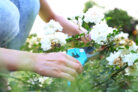
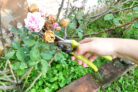
If your rose isn’t blooming, don’t panic—it doesn’t necessarily mean it’s sick. Some varieties just need a little time to settle in. During the first year or two, many roses focus all their energy on establishing deep roots and growing tall canes rather than producing flowers. You can often encourage more blooms with the right pruning technique, but patience is key.
However, if you’re growing a Rambler rose, put those shears away! Ramblers typically bloom on “old wood” (canes that are at least a year or two old). If you prune them too aggressively, you’re essentially cutting off next year’s flower show, and the plant will have to start the growing process all over again before it can bloom.
Giving your roses the fuel they need
To produce those gorgeous blossoms, climbing roses are heavy feeders. If your soil is depleted or your potted rose has used up all its nutrients, the plant simply won’t have the energy to flower. This is where the right fertilizer comes into play. You can mix in some well-aged compost or use a high-quality rose fertilizer to give them a boost.
What every bloom needs to thrive:
- Plenty of direct sunlight
- A spot that doesn’t get *too* scorching hot
- Good air circulation
Don’t forget the water! Climbing roses need a steady supply of moisture to stay happy. Try to use rainwater or filtered water if yours is very hard, and always aim for the base of the plant. Just be careful not to overwater—”wet feet” (standing water) can lead to root rot, which is a death sentence for roses. Make sure your soil drains well so the roots can breathe.