Think your eyes are playing tricks on you? Seeing a crocus popping up in the fall might feel like the world is upside down, but it’s actually totally normal! While we usually think of these little guys as the first sign of spring, the Crocus speciosus is a special variety that naturally opens its buds in September. Let’s dive into everything you need to know about growing and caring for these autumn beauties.
Meet Crocus speciosus: The Autumn Crocus
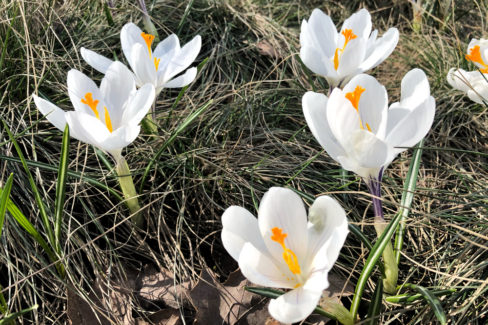
Unlike the spring varieties we all know, the autumn crocus typically shows off light violet or pure white blooms. They burst onto the scene in September and, just like their spring cousins, they are incredibly hardy and can handle the winter chill without a problem.
While they aren’t exactly rare, people often mistake them for the Autumn Crocus (Colchicum), which blooms around the same time. Here’s how you can tell the real Crocus speciosus apart from a Colchicum:
- Petals: The structure is slightly different.
- Stamens: A true crocus has only three stamens, while a Colchicum has six.
Pro Tip: Be careful! While crocuses are mainly a concern for pets, the Colchicum (Meadow Saffron) is highly toxic to all living things. It’s always good to know exactly what’s growing in your beds!
Planting Crocus speciosus in Your Garden
Want to add a splash of purple to your fall landscape? Just follow these simple steps to get them started.
Finding the Perfect Spot
Autumn crocuses are a little pickier than the spring types. Their biggest enemy is “wet feet” (standing water), so drainage is key. Here’s what they love:
- A spot with full sun to partial shade.
- Loose, well-draining soil.
- Soil that’s been enriched with a little compost or mixed with sand.
When and How to Plant
The cool thing about autumn crocuses is that they grow fast—they’ll actually bloom the same year you plant them!
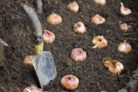
Dig a hole about three times as deep as the bulb is wide. Drop the bulb in and cover it well with soil. If you’re planting a bunch together (which I highly recommend for that “wow” factor), space them about 3 inches apart.
Pro Tip: Even though they look great in tight clusters, don’t crowd them too much. If the bulbs have enough elbow room, they’ll produce “bulblets” and spread on their own. Give them space, and they’ll do the landscaping work for you over time!
Maintenance and Care
The best part? These flowers are low-maintenance. Usually, fall rain provides all the water they need. The only thing you really need to watch out for is accidentally digging them up while you’re doing your end-of-season garden cleanup. Mark the spot, sit back, and enjoy the late-season color!