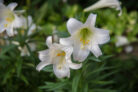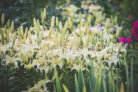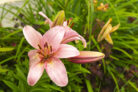
Lilies are some of the oldest ornamental plants in history, and for good reason! Since they originally hail from regions ranging from Turkey to the Caucasus, they bring a wonderful mix of exotic beauty and hardy, low-maintenance reliability to your garden.
The Best Time to Plant
When it comes to getting your lily bulbs in the ground, you’ve got two main windows of opportunity: fall or spring. The goal for both seasons is to give those bulbs plenty of time to establish themselves. If you wait too long to plant, you might miss out on those gorgeous blooms for the current season. The same timing applies if you’re brave enough to try growing lilies from seed! However, there are two notable exceptions that prefer being planted in late summer (August or September):
- Madonna Lilies
- Martagon Lilies (Turk’s Cap)
Finding the Perfect Spot
While lilies are pretty chill when it comes to general maintenance, they are a bit picky about their lighting. Here’s the trick: lilies love having “hot heads and cold feet.” This means they want plenty of sun on their flowers, but they prefer their roots to stay cool and shaded. Because of this, a spot with partial shade is usually your best bet. As for the soil, your lilies will be happiest if it meets these criteria:
- Rich in nutrients
- Consistently moist (but not soggy!)
- Well-draining soil with plenty of organic matter (humus)
How to Get Them in the Ground
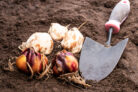
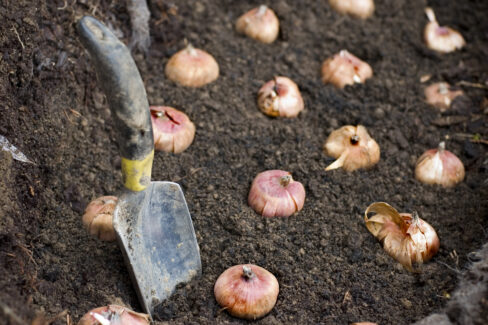
When you’re ready to plant, the first rule of thumb is to give them some breathing room. Make sure to space your bulbs at least 8 inches apart. Start by loosening up the soil and digging your holes—you’ll want them to be about twice as deep as the bulb is tall. Place the bulbs in the holes, making sure the pointy tips are facing upward. Before you fill the holes back in, it’s a great idea to mix a little mature compost into the soil to act as a fertilizer. Finally, just press the soil down gently and give them a good drink of water.