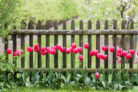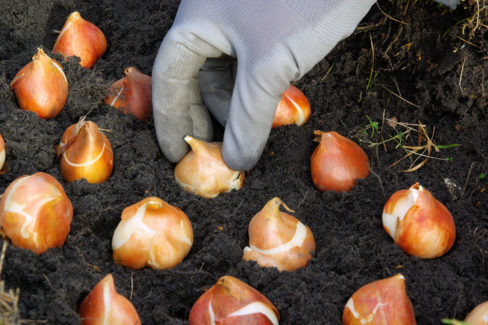
Is there anything better than a yard full of picturesque tulips in the spring? Some varieties start popping up as early as late March, and if you plan your bulb choices right in the fall, you can enjoy a continuous parade of blooms for weeks on end.
When to Get Digging
You’ll start seeing tulip bulbs hit the shelves at garden centers as soon as autumn kicks off. Go ahead and grab your favorites while the selection is good, but don’t rush to plant them just yet! Keep them in a cool, dark spot for a little while longer.
So, when is the “sweet spot” for planting? Even in October, we can get those warm spells that might trick the bulbs into sprouting early. If they poke their heads out too soon, those tender shoots will freeze once the real winter chill sets in. The best time to plant is when the weather stays consistently cool (under 50°F) and the soil has lost its summer heat. Late October through mid-November is usually perfect, but you can even plant into December as long as the ground isn’t frozen solid. When you’re ready to go, here’s how to get them in the ground:
- Loosen the soil well.
- Mix in some compost to give your flowers a nice nutrient boost.
- Dig your holes—if you have heavy clay soil, toss a little sand in the bottom.
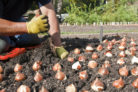
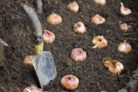
- Space your bulbs about 6 inches apart.
- Make sure the hole is twice as deep as the bulb is tall.
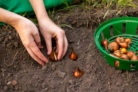
- Set the bulb in the center with the pointy end facing up.
- Fill the hole with soil and give it a good drink of water.
- Pro tip: If you’re worried about losing track of your bulbs under fall leaves, mark the spot with a small twig.
Finding the Perfect Spot
Before you start digging, you’ve got to pick the right location. Tulips are sun-lovers. If you’re planting extra-tall varieties, try to find a spot protected from the wind—nestling them between smaller perennials or along the edge of some shrubs works great. They thrive in loose, loamy soil that’s rich in organic matter.
When you’re prepping the holes, you can mix a little bone meal or fine compost into the soil. If your ground is really compacted, drainage can become an issue, and nobody wants rotten bulbs! To play it safe, add a little drainage layer of gravel or broken terracotta shards at the bottom of the hole. This is especially important if you’re planting your tulips in balcony boxes or large containers.