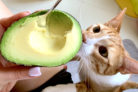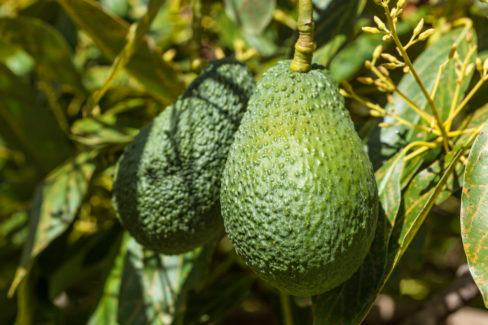
Avocados are a total staple in kitchens across the country. Back in the day, people used to call them “avocado pears,” “alligator pears,” or even “butter fruit.” Those old-school nicknames actually give us a pretty big hint about the great debate: is an avocado a vegetable or a fruit?
The Botany of It All
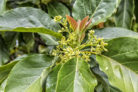
The avocado tree is a member of the laurel family and hails from the tropics. In its natural habitat, it takes about 6 to 10 years before the tree produces its first blooms . Once those flowers are pollinated, they grow into the avocados we know and love. Here’s the kicker: botanically speaking, an avocado is actually a berry!
What Makes a Fruit a Fruit?
In the gardening world, we generally define fruit as something that grows from a perennial plant (one that lives for many years). Since avocado trees take at least six years just to start flowering, they definitely fit the bill. Usually, we eat fruit raw, and we expect a pleasant, sweet, or tart flavor. Plus, fruit typically has a higher sugar content than veggies.
What About Vegetables?
Vegetables are usually defined as the edible parts of plants that are produced only once in the plant’s life cycle. Most vegetable plants aren’t perennials. Now, that rule isn’t 100% perfect—take cabbage or Brussels sprouts, for example; they’re biennials, meaning they grow one year and are harvested the next. Generally, though, we cook vegetables and season them with savory spices because they lack that natural sweetness or acidity you find in fruit.
The Verdict
Even though we treat them like veggies in the kitchen, avocados are botanically berries, which puts them firmly in the fruit category. However, because we usually eat them in savory dishes, the confusion remains. Even scientists can’t always agree on the perfect classification! But if you’re looking for them at the grocery store, you’ll almost always find them in the produce aisle right next to the other fruits.
Pro Tip: Always enjoy your avocados raw. If you try to boil or fry them, they lose that buttery magic and tend to turn pretty bitter.