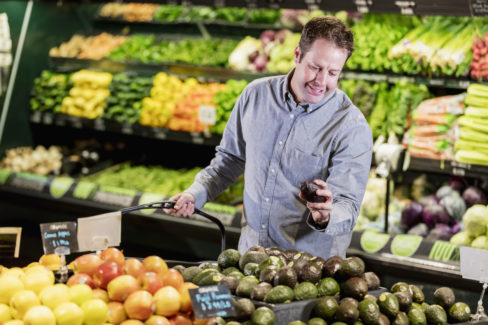
It’s hard to imagine our grocery stores without avocados these days, isn’t it? They’ve become a year-round staple, traveling from all corners of the globe to reach our kitchens. If you’ve ever wondered where your guacamole starts its journey, here’s the scoop on everything you need to know about this creamy superfood.
Where They Come From
Avocados thrive in the tropical and subtropical climates of Central and South America. Their true home is Mexico, where people have been enjoying them for over 10,000 years! It wasn’t until the 19th century that Spanish explorers brought them over to Europe, and by the 20th century, farmers began cultivating avocado trees in the Mediterranean region as well.
The Different Varieties
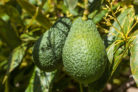
Believe it or not, there are about 400 different types of avocados out there! However, you’ll usually only see two main stars at the market. First, there’s the Hass avocado, which originally hails from Mexico. You can spot it by its dark, bumpy, almost pebbly skin. Then there’s the Fuerte, which stays bright green and has a much smoother peel. Both varieties are pretty hefty, often weighing in at around 10 ounces.
When is Harvest Season?
Because they grow in different hemispheres, someone is always harvesting avocados. In South Africa and Kenya, the season kicks off in March. By August, the Mexican harvest begins and runs through October. Then, from October all the way through May, we see fruit arriving from Israel and Spain. If you’re looking for the absolute best flavor, keep an eye out in the fall. The fruits that hit the shelves during this time tend to have the most intense, rich aroma.
What’s Inside?
Avocados are famous for being nutrient powerhouses. They are made up of mostly water and about 15% healthy unsaturated fats. They’re also loaded with fiber and a long list of vitamins, including Vitamin A1, almost the entire B-vitamin family, and Vitamin K. On top of that, they’re a great source of minerals and plant-based protein.
The Environmental Footprint
As much as we love them, avocados do come with some environmental baggage. It takes a staggering 1,000 liters of water (about 264 gallons) to grow just over two pounds of avocados. To put that in perspective, a tomato only needs about 180 liters. Because demand is skyrocketing, rainforests in Central America are often cleared to make room for new plantations. Plus, since they usually travel long distances by plane to get to our plates, their carbon footprint is pretty high.
Pro Tip: When you’re reaching for an avocado, try to keep that environmental impact in mind. They are a delicious treat, but because of their high water and transport costs, it’s best to enjoy them as a special addition to your diet rather than a daily necessity.