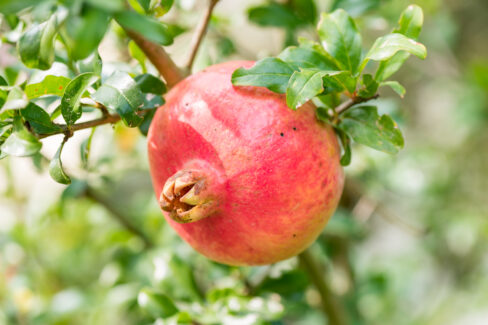
While citrus fruits and pomegranates share a lot of common ground—like their nutritional perks and their love for sunny spots—they aren’t actually related at all. In fact, the pomegranate’s family tree is pretty fascinating and a bit unexpected!
The Loosestrife Family Connection
If you take a peek at the pomegranate’s botanical profile, you’ll see it belongs to the Lythraceae family, also known as the Loosestrife family. This puts it in the same group as plants like the common Purple Loosestrife or the aquatic Water Chestnut.
They might not look like cousins at first glance, but genetically, they’re tight-knit. Within that family, the pomegranate sits in its own special subfamily called Punicoideae. There are only two species in this group, one of which is the rare Socotra pomegranate, found only on a single island off the coast of Yemen.
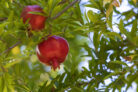
Every pomegranate you’ve ever eaten comes from just one species: *Punica granatum*. Humans have been obsessed with this fruit for ages. In ancient Egypt, pomegranates were even left in the tombs of high-ranking officials. Throughout history, they’ve been powerful symbols of royalty and were often referred to as the “Imperial Apple.”
They Love the Heat
One thing pomegranates definitely share with citrus trees is their love for a warm climate. Originally hailing from sun-drenched regions like Central and Western Asia, Turkey, and the Caucasus, these plants are tough. They handle drought like pros and don’t mind if their soil dries out completely every now and then.
That said, if you want a happy plant, give it plenty of TLC and a spot in full summer sun. If your tree is stuck in the shade or gets too thirsty, you might find that it struggles to bloom. And as every gardener knows: no flowers, no fruit!
One area where the pomegranate actually beats citrus is its tolerance for a little frost. While citrus trees are total divas when the temperature drops, pomegranates can handle dips down to 23°F (-5°C) without much fuss. They can even survive a short burst of 14°F (-10°C) for a few days. This makes them great candidates for overwintering in unheated sunrooms or greenhouses.
Packed with the Good Stuff
When it comes to health benefits, pomegranates and citrus are definitely on the same team. Pomegranates are loaded with Vitamin C and are famous for their high antioxidant content, thanks to those deep red pigments. Even the seeds are a powerhouse! They can be pressed into a high-end oil that’s incredibly rich in healthy plant-based fatty acids.