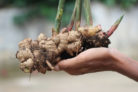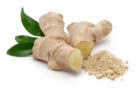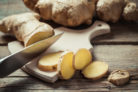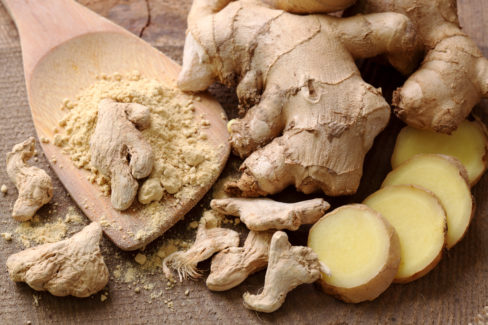
Trying to figure out if ginger is a fruit or a vegetable is actually a bit of a head-scratcher. While it’s most commonly categorized as an herb or spice, you could technically make an argument for it being a veggie too.
Definitely Not a Fruit
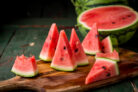
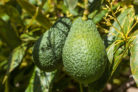
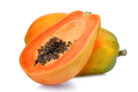
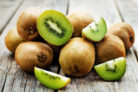
One thing is for sure: ginger is definitely not a fruit. Generally speaking, fruits are defined by having a fleshy, juicy exterior that protects seeds. Ginger just doesn’t fit that description. Even though a fresh rhizome can be surprisingly juicy, it’s still a root, not a fruit. However, if you have a big harvest, you can dry it out just like you would with apple slices or berries.
You might see candied ginger in the snack aisle, but don’t let that fool you—sugary coating doesn’t turn a root into a fruit!
Not Quite a Vegetable Either
Since we eat the root—similar to how we eat carrots or onions—you could call ginger a vegetable in the broadest sense. In its native tropical and subtropical homes, ginger often takes center stage on the dinner plate. In those regions, it’s a staple ingredient rather than just a garnish.
However, in our neck of the woods, we tend to use ginger much more sparingly. We usually treat it as a seasoning or a flavor booster. Because it’s so often steeped for tea or used to punch up a recipe, it fits much more comfortably in the herb category.
Ginger: The Ultimate Herb and Spice
Because of its intense aroma and the fact that a little goes a long way in the kitchen, ginger is best classified as a spice or herb.
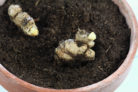
If you’re thinking about growing your own ginger in the garden, you’ll want to get a head start! It has a pretty long growing season, so it’s best to start your plants indoors during the winter. Once May rolls around and the weather warms up, you can move them outside. Ginger loves partial shade and needs a steady supply of water and nutrients. Pro tip: Give your ginger plants a little misting every now and then—they absolutely love the humidity!