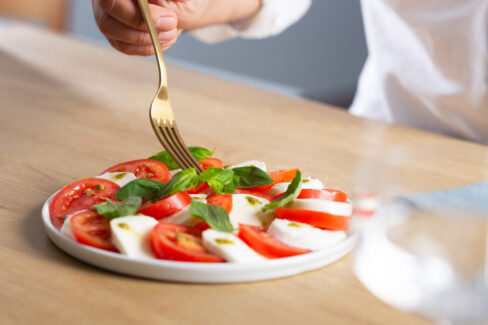
You might have heard some buzz about basil being potentially carcinogenic if you eat too much of it. It sounds a bit scary, right? But don’t worry—before you toss out your pesto, let’s break down what’s actually in this favorite kitchen herb and what you really need to know.
What’s actually inside your basil?
Basil is packed with natural essential oils, including camphor, lineol, tannins, and glycosides. On the nutrition side, it’s actually a little powerhouse! It’s loaded with vitamins A, C, D, and E, plus essential minerals like calcium, potassium, magnesium, and iron.
So, where does the concern come from? It’s a compound called estragol. In very high doses, estragol has been shown to be potentially carcinogenic because it can affect genetic material. However, the key word here is *massive* doses. To even reach a level of concern, you’d need to be eating at least twenty fresh leaves every single day. For the average home cook using it to garnish a pizza or whip up a batch of pasta, there’s absolutely nothing to worry about. Interestingly, estragol is also found in other common pantry staples like tarragon, nutmeg, rosemary, allspice, anise, fennel, and bay leaves. As with most things in life, moderation is your friend!
Basil for your health and wellness
Beyond the flavor, basil is fantastic for your well-being. It’s known to help stimulate the appetite, aid digestion, soothe coughs, and even act as a mild sedative to help with sleep or frayed nerves. While we usually think of it in pesto, it also makes a lovely tea.
To make basil tea, just pour about a cup (8 oz) of boiling water over one teaspoon of the herb and let it steep for about 10 minutes. Keep it to a cup a day for general wellness, or up to two cups a day if you’re using it as a short-term remedy for things like fever, tummy troubles, or insomnia.
Pro Tip: If you get a mosquito bite or a bee sting while gardening, crush up a few fresh basil leaves and apply the pulp directly to the spot. It’s great for taking the itch away and helping to prevent inflammation!
Recipe: Homemade Basil Wine
If you’re looking for a unique way to use your harvest, try this traditional basil wine:
- Harvest two whole stems of fresh basil.
- Roughly chop the leaves and stems and place them in a wide-mouthed bottle or jar.
- Pour one liter of a good quality white wine over the herbs.
- Seal the bottle tightly and let it sit in a dark spot for three days.
- Strain the wine and store it in a cool, dark place.
- Drinking a small glass before or after meals is a traditional remedy thought to help clear out lingering congestion over time.
One last tip: Try adding fresh basil to your dishes right before serving. Because it’s so flavorful, you’ll find you can actually cut back on the salt without losing any of the deliciousness!