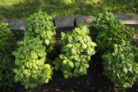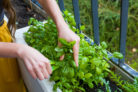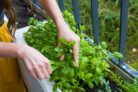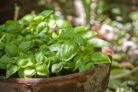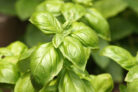
Growing your own super-fragrant basil in a pot is a total game-changer for your kitchen! Just a heads-up: basil takes its sweet time to sprout, so you’ll need a little patience before those first tiny leaves pop up. Here’s everything you need to know to get started.
When to Grow Your Basil
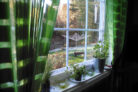
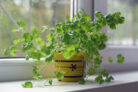
The best time to grow basil from scratch is between March and October. A sunny windowsill or a greenhouse provides the perfect cozy environment for these plants to thrive. Since basil is a total sun-worshipper, the winter months are usually too cold and dark for it to survive. You’ll see fresh basil plants in grocery stores year-round, but keep in mind that those winter plants are really meant for quick use, not long-term growing.
Germination and Starting Your Seeds
To get started, grab a pot that’s about 6 inches (15 cm) in diameter. I recommend adding an inch or two of expanded clay pebbles or coarse gravel at the bottom to help with drainage. Fill the rest with a high-quality, humus-rich potting soil and press it down lightly.
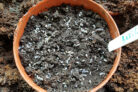
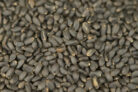
Next, scatter those tiny seeds right on top of the soil. Give them a very gentle press, but don’t bury them! Basil seeds are light-germinators , meaning they need exposure to light to wake up. Mist the soil carefully with a spray bottle. To keep things humid, stretch some clear plastic wrap over the pot and secure it with a rubber band. This creates a mini-greenhouse effect, so you won’t even need to water it while the seeds are germinating.
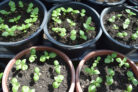
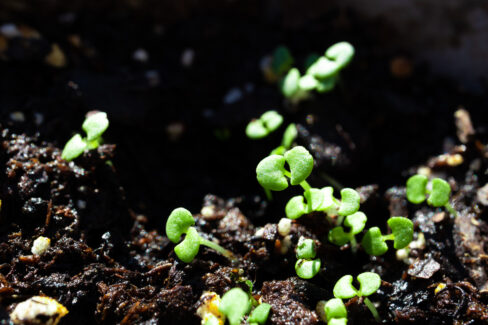
Keep your pot in a bright spot where the temperature stays consistently between 60-70°F (15-20°C). This is the “sweet spot” for reliable sprouting. It usually takes about 14 to 21 days for the seeds to germinate. Once you see those first little leaves, go ahead and take the plastic wrap off. If your seeds sprouted too close together, now is the time for thinning or pricking out . For a 6-inch pot, you really only want about 10-15 little plants. If it’s too crowded, they’ll fight over light and nutrients, and nobody wins that battle!
Top Tips for Basil Care
Basil loves the heat—it’s happiest when it’s between 70-75°F (20-25°C). Before you reach for the watering can , always check the soil moisture first. Too much water can lead to root rot, which is a real bummer. If you see wilting leaves , it could mean the plant is too dry *or* too wet, so double-check that soil!
While basil loves the sun, it’s not a fan of the scorching midday heat. Also, try to avoid watering while the sun is beating down on the leaves. Water droplets can act like tiny magnifying glasses, scorching the leaves and leaving behind ugly brown spots.
Pro Tip: Once basil starts to flower, the leaves lose that amazing aroma and can taste a bit bitter. If your plant starts blooming, move it outside! The bees will love the flowers, and you can eventually harvest the seeds for your next batch.