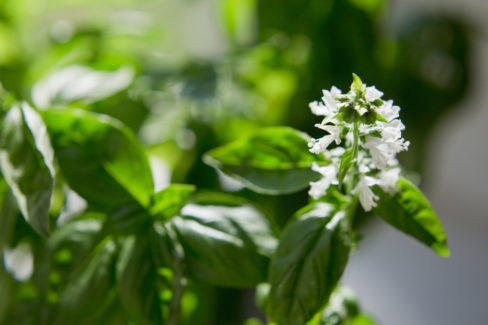
A flowering basil plant is a real beauty and a fantastic pit stop for bees and bumblebees. However, there’s a little catch: once those pretty blooms show up, the flavor of the leaves usually takes a hit. Let’s dive into what you need to know about basil’s flowering phase.
The Botany Breakdown
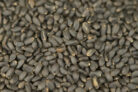
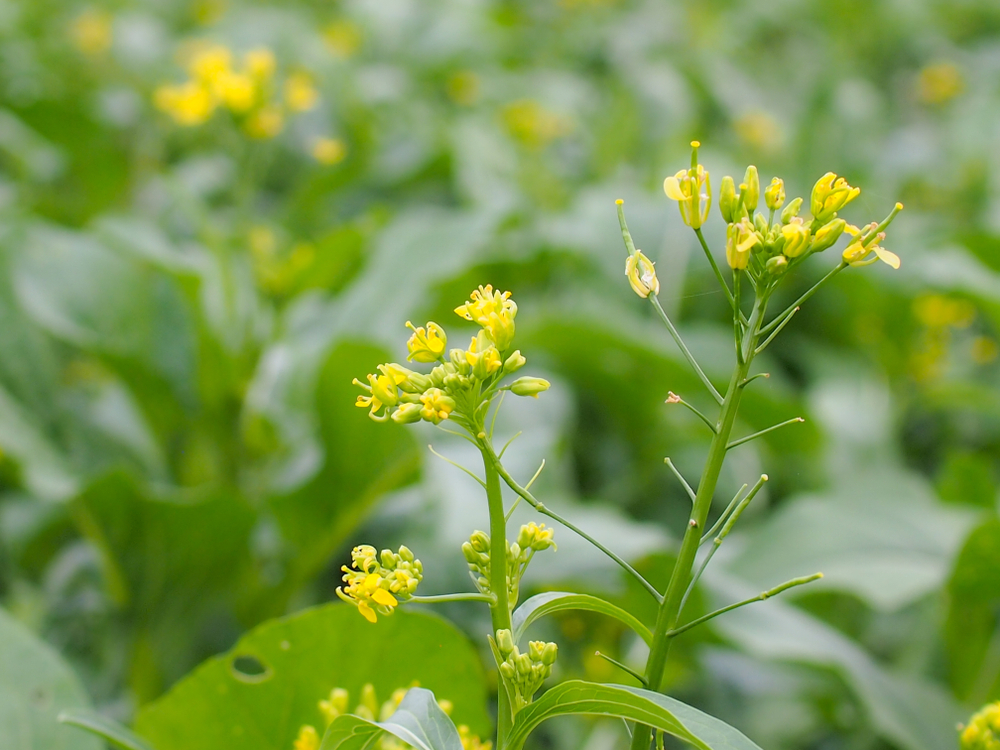
Basil is a member of the mint family (Lamiaceae), and you’ll typically see it bloom between June and September. While white flowers are the most common, it’s not unusual to see pink or delicate purple blossoms too. These tiny flowers are only about 2 to 4 millimeters long. If your basil is outside where insects can do their job, seed pods will eventually form. Once the petals have dried up, you can rub them between your fingers and sift through the remains. You’ll find tiny black seeds that you can save and sow for your next batch of plants!
The cool thing is that every part of the plant is edible. Because basil is packed with essential oils, the whole thing is aromatic. Even the flowers are edible, though their flavor is a bit more subtle than the leaves.
How to Prevent Flowering
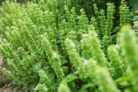
How you harvest your basil makes a huge difference in whether the plant decides to flower. Try to avoid just picking off individual leaves. This actually encourages the plant to grow tall and leggy, which is exactly where those flower spikes love to form.
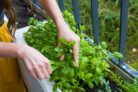
The right way to harvest is by pinching off entire stems. Snip the tips just above a pair of leaves. This encourages the “eyes” (the little nodes where new growth starts) to branch out. Regular pruning like this keeps your plant bushy and delays flowering for as long as possible.
Basil also tends to bolt (flower) if it isn’t getting enough nutrients. Keeping your plant healthy with the right fertilizer is key.
Pro-tip: If you spot tiny buds starting to form, just snip them right off! It won’t hurt the plant, and the leaves will still taste great.
What Happens When Basil Blooms?
Like any plant, basil’s main goal in life is to reproduce. To do that, it needs to flower and produce seeds . This process takes a lot of energy and nutrients, which get diverted away from the leaves. You might notice brown leaves or a change in taste—the leaves often become sharp or even bitter. While they might be too strong to enjoy raw in a Caprese salad, the bitterness usually mellows out when heated. You can still toss them into soups, stir-fries, or casseroles.
Using the Flowers
Those delicate little blossoms are a treat for the eyes and a magnet for pollinators. If your basil is outdoors, you’ll likely see a parade of bees stopping by for nectar.
Since the flowers are edible, don’t let them go to waste! They have a slightly bitter edge but look stunning as a garnish on a summer buffet. You can also use them to make a beautiful floral vinegar or toss them into a wild herb salad. If you want to make herb vinegar, you’ll need quite a few blossoms, so if you have a “basil explosion” in your garden or on your windowsill, let a few pots go to flower on purpose.
Here’s a quick recipe for Basil Flower Vinegar:
- Grab a handful of basil flowers and a few leaves.
- Place them in a clean jar or bottle.
- Pour a mild vinegar over them—white wine vinegar or apple cider vinegar works best.
- Seal it tightly and store it in a dark place.
- Let it steep for three to four weeks. Strain it through a sieve, and you’ve got a delicious, aromatic vinegar!
Health Benefits & Tips
Basil is loaded with essential oils, along with camphor, tannic acid, and lineol. In the world of natural wellness, it’s prized for aiding digestion and stimulating the appetite. It’s also known for its calming properties and can even help with sleep.
For a traditional remedy to help clear the respiratory tract, some people make “basil wine.” Just roughly chop the leaves and stems of about two basil plants and place them in a wide-mouthed jar. Fill the jar with a quart of good white wine. Let it sit in a cool, dark spot for three days, then strain it. Store your basil wine in a cool place and enjoy a small liqueur glass’s worth before or after a meal.
One last tip: Since pollinators are struggling to find food these days, letting some of your basil bloom is a wonderful way to help out your local ecosystem. You’ll be amazed at how many little visitors find their way to your garden!