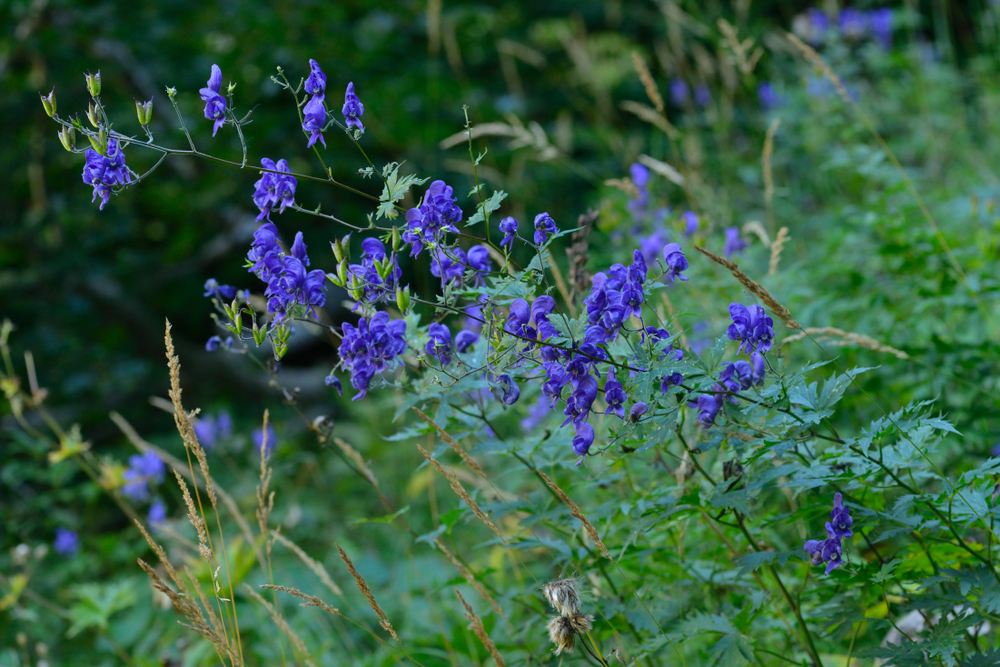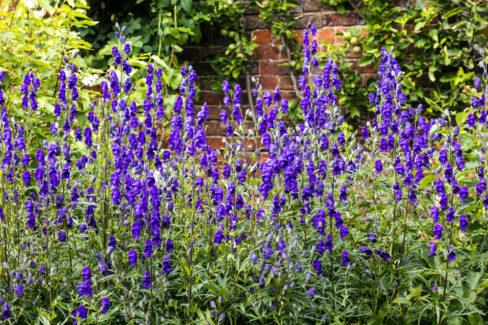
Monkshood (Aconitum) is a stunning addition to many home gardens, even though it holds the title of “Europe’s most poisonous plant.” Don’t let that scare you off, though! As long as you take the right precautions, there’s no reason you can’t enjoy this gorgeous perennial in your own backyard. Just a quick heads-up: make sure to plant it well out of reach of curious kids and pets. As a hardy, long-blooming favorite, Monkshood will keep your flower beds looking vibrant from early summer all the way into late fall.
When Does Monkshood Bloom?
Monkshood has a history stretching back centuries, and it’s actually a protected species in the wild. Thanks to dedicated breeding over the years, we now have about 300 different varieties to choose from. These types vary quite a bit in shape, color, and blooming schedule. Here are a few examples:
- Autumn Monkshood: Features deep blue flowers during September and October.
- Aconitum napellus: Also sports blue blooms but gets the party started early in June and July.
- Yellow Monkshood: Begins its blooming season in the early summer.
- Climbing Monkshood: Produces large, wine-red flower clusters from August through September.
Those Unique Blooms
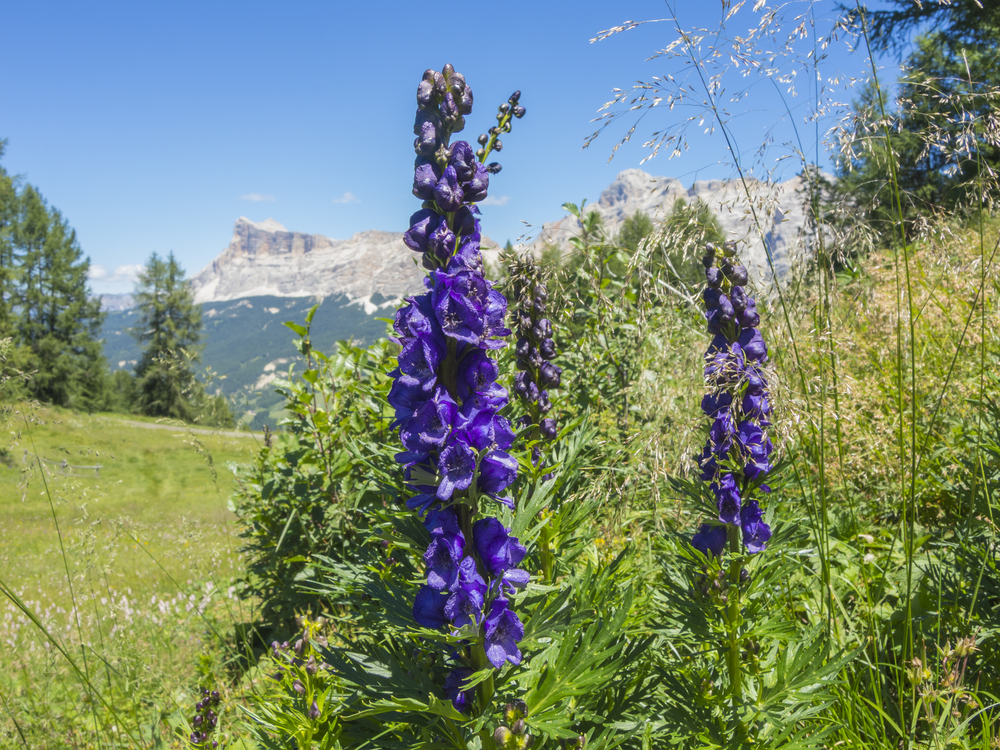
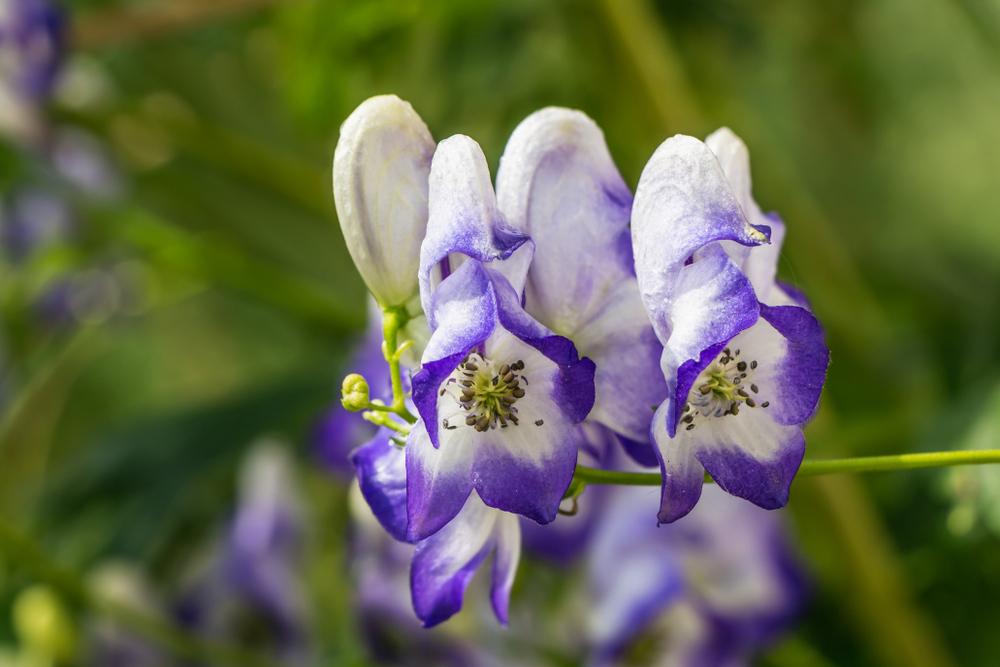
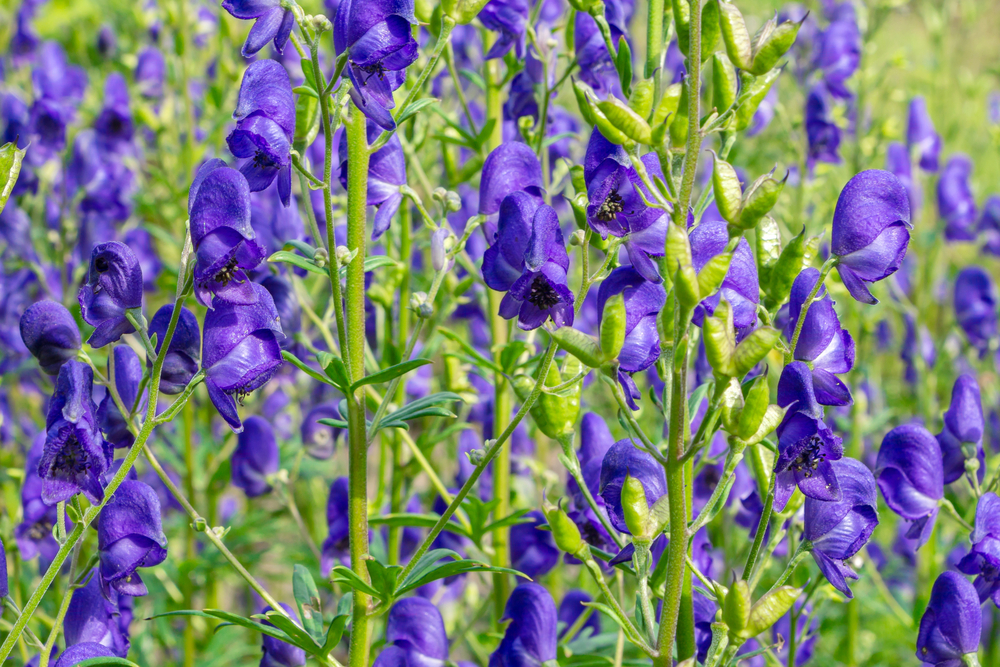
The flowers on a Monkshood plant are real showstoppers. They grow in dense clusters along a tall spike, and each individual flower is shaped like a medieval knight’s helmet (which is how it got its name!). Because the blossoms open gradually—starting from the bottom and working their way up—the blooming period lasts a long time. If you’re savvy and mix a few different varieties in your garden, you’ll have glowing flower spikes from early summer until the first frost. They even make great cut flowers for vases, provided you handle them with care (wear gloves!).
The Perfect Spot
If you want your Monkshood to really show off, picking the right spot is key. In the wild, you’ll usually find it growing near:
- Stream banks
- Mountain slopes
- Floodplain forests
- Swampy woodlands
To make your Monkshood feel at home, try to mimic these conditions in your garden. It loves a cool, consistently moist spot that’s protected from harsh winds. It’ll thrive in partial shade under trees, provided the soil is rich in humus and nutrients. Just make sure the soil is loose and drains well—while it loves moisture, it definitely doesn’t want “wet feet” from standing water.