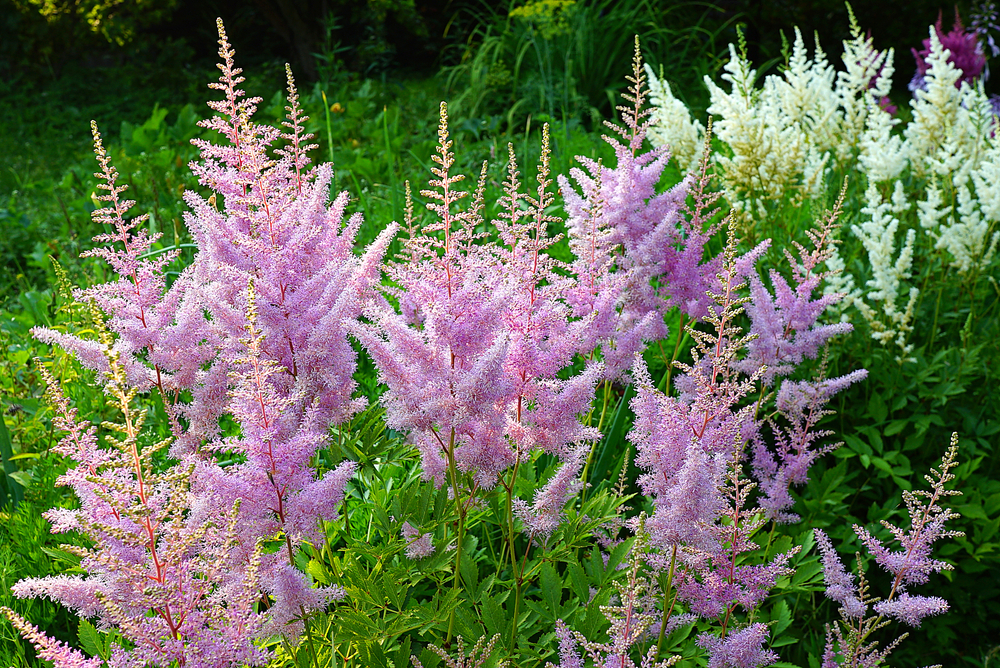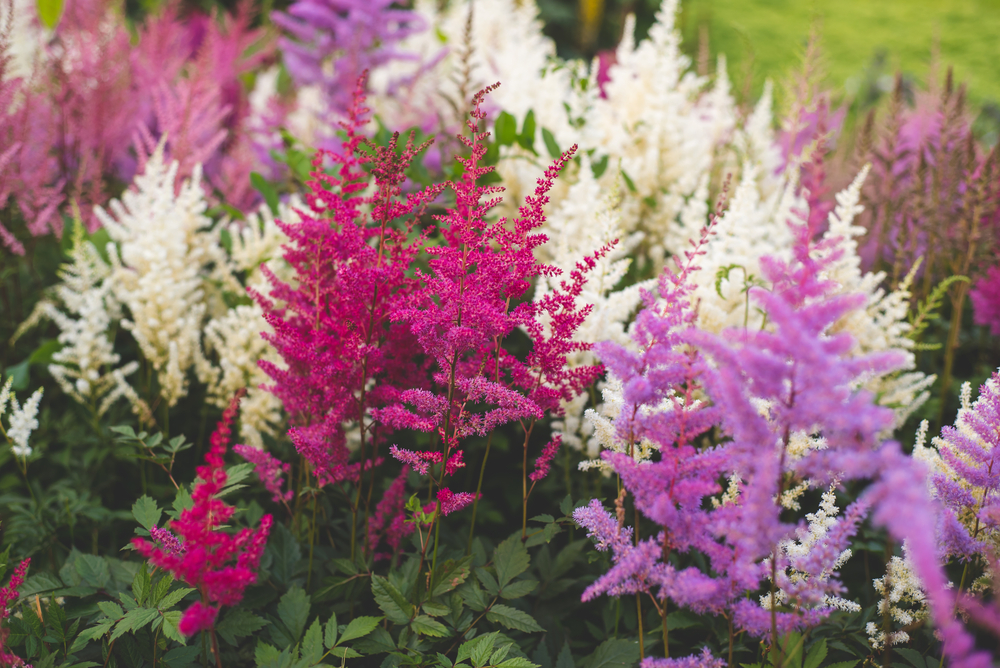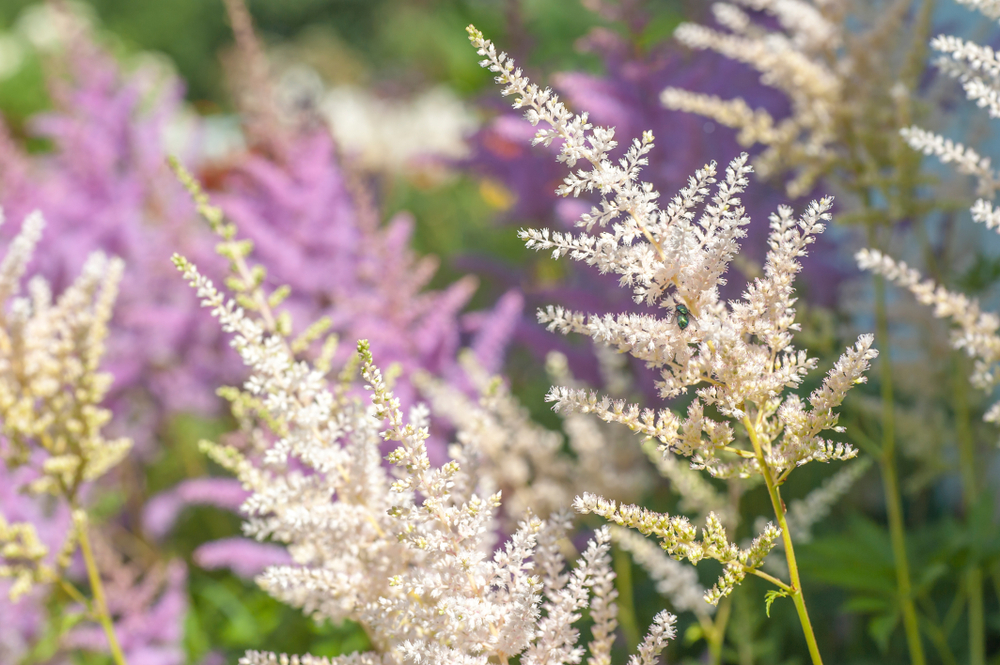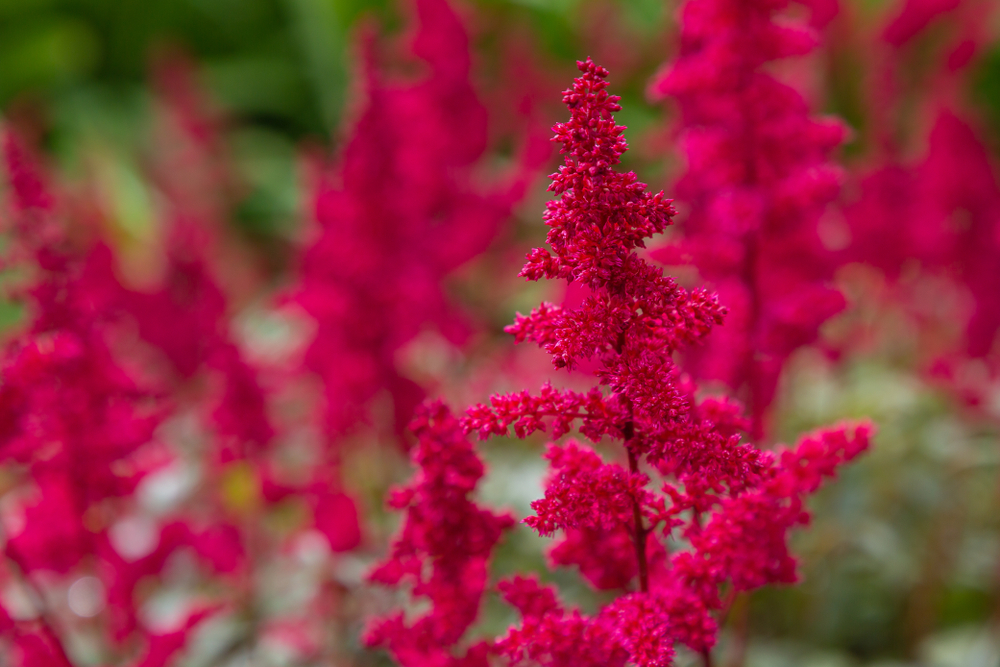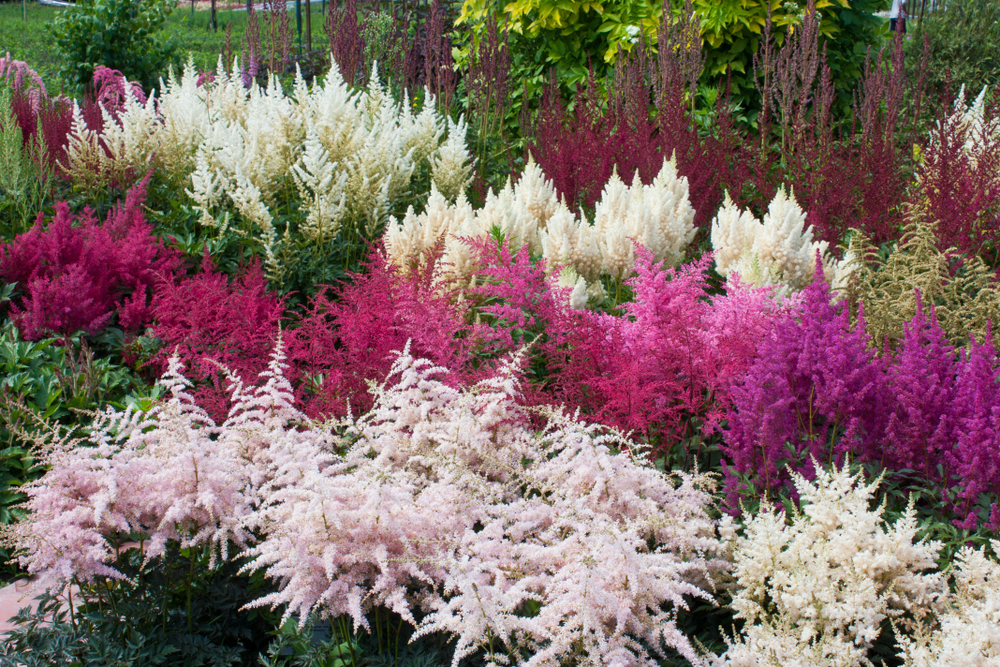
When it comes to Astilbes (also known as False Spirea), timing is everything! The exact window for those fluffy, feathery blooms really depends on which variety you’re growing. Not only do different types offer a gorgeous range of colors, but they also follow their own schedules—meaning you could see flowers as early as May or as late as September.
Blooms All Season Long
The best part about these staggered blooming windows? You can use them to your advantage when planning your garden. By mixing and matching different Astilbe varieties, you can keep your yard looking vibrant from late spring all the way into early autumn. You’ve got a whole palette to work with, too, from crisp whites and soft pinks to moody purples and deep, dramatic reds.
A Quick Guide to Bloom Times
Here’s a breakdown of when some of the most popular varieties typically show off their colors:
- Japanese Astilbe: May to June
- Dwarf Astilbe: June to July
- Thunberg’s Astilbe: June to August
- Tall Astilbe: July
- Garden Astilbe (Arendsii Group): July to September
- Chinese Astilbe: August to September
While there are about 24 different species and countless hybrids out there, the ones listed above are the ones you’ll most likely find at your local garden center. If you’re looking for something more exotic, you might need to try your hand at growing them from seed!
Tips for a Spectacular Show
If you want those blooms to be as lush and long-lasting as possible, a little TLC goes a long way. It all starts with the right spot: Astilbes are happiest in partial shade with soil that stays consistently moist.
When it’s time to water, try to use rainwater if you can. Unlike tap water, it’s low in lime, which is a big plus since these plants love acidic soil. Make sure the dirt is well-draining and rich in organic matter (humus). The best part? They aren’t high-maintenance eaters—you usually only need to fertilize them twice a year to keep them happy!