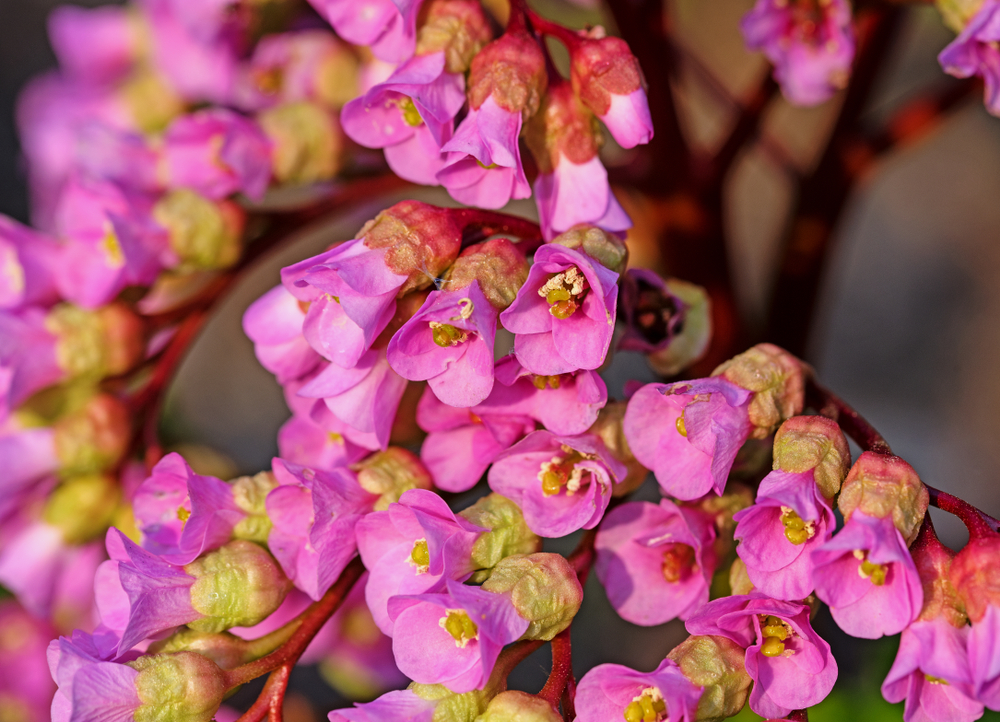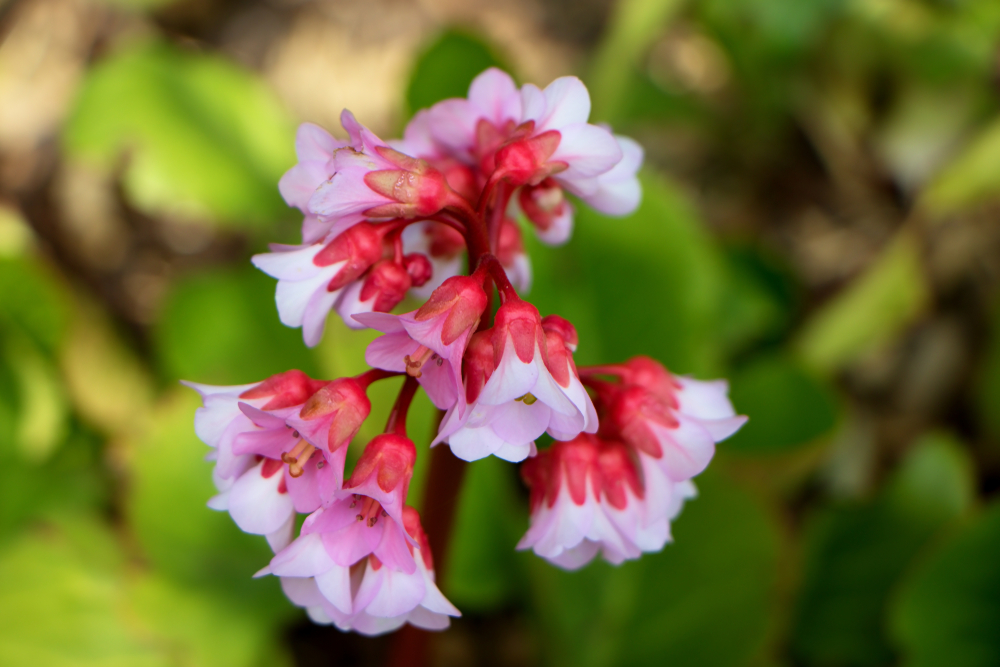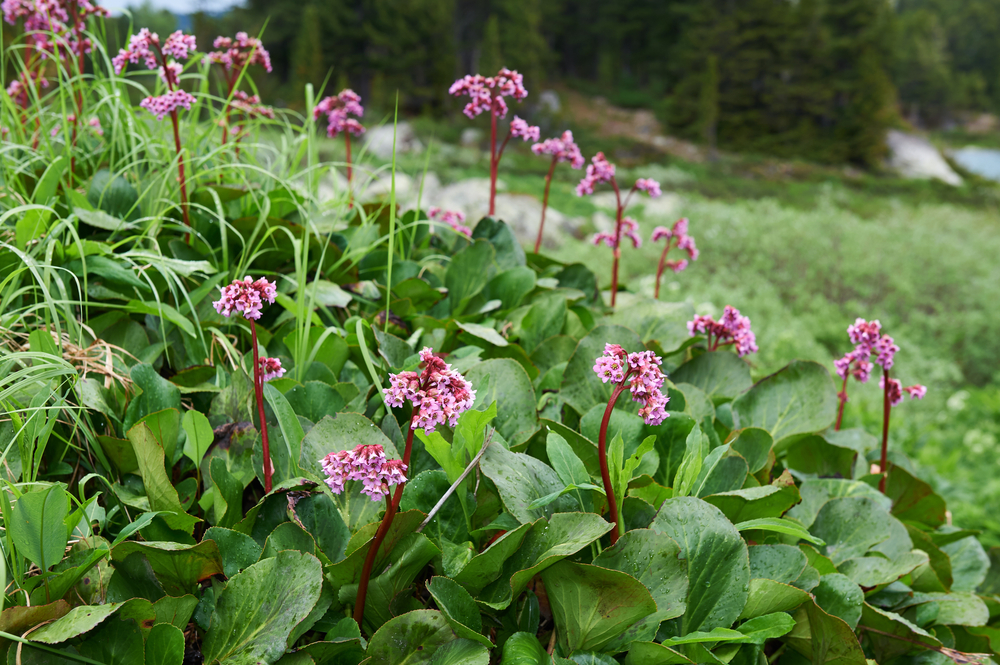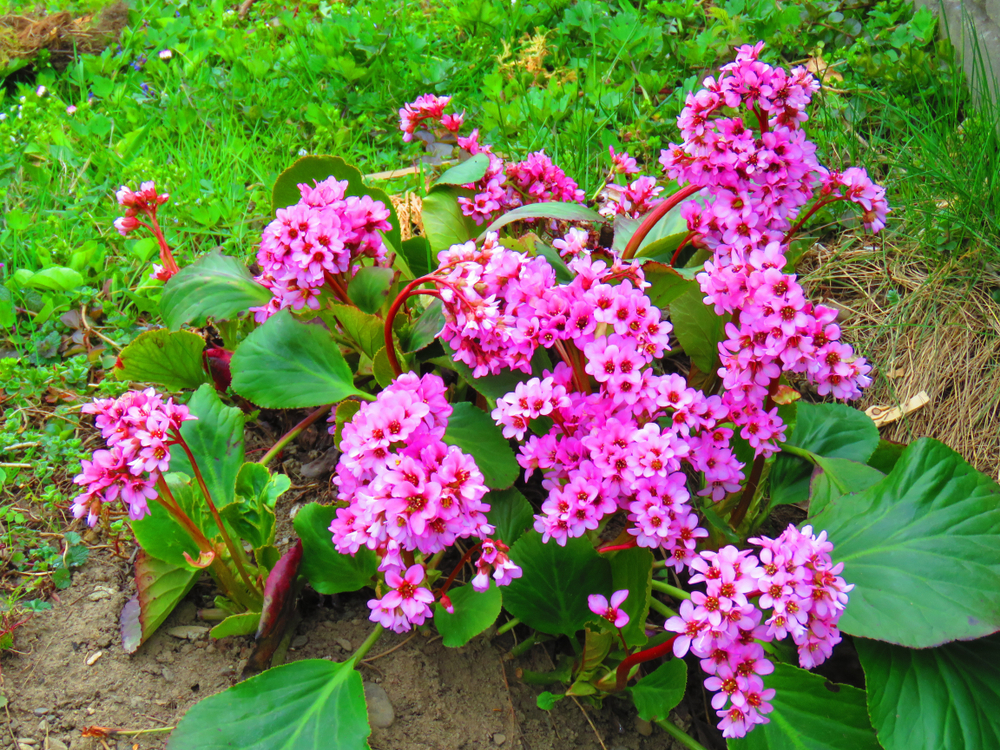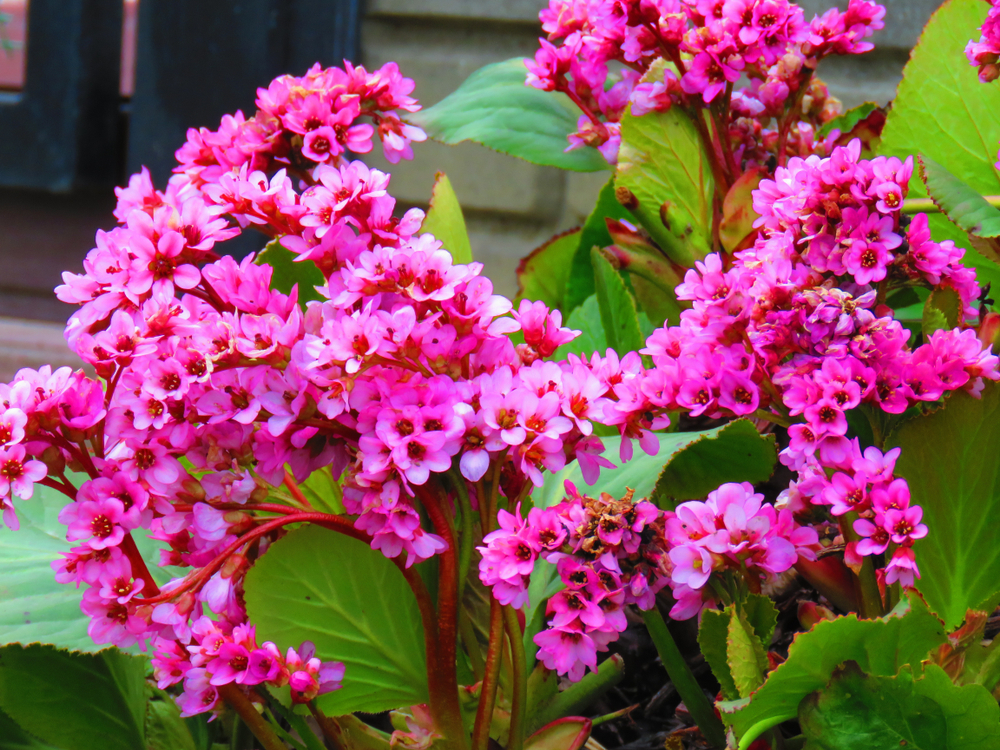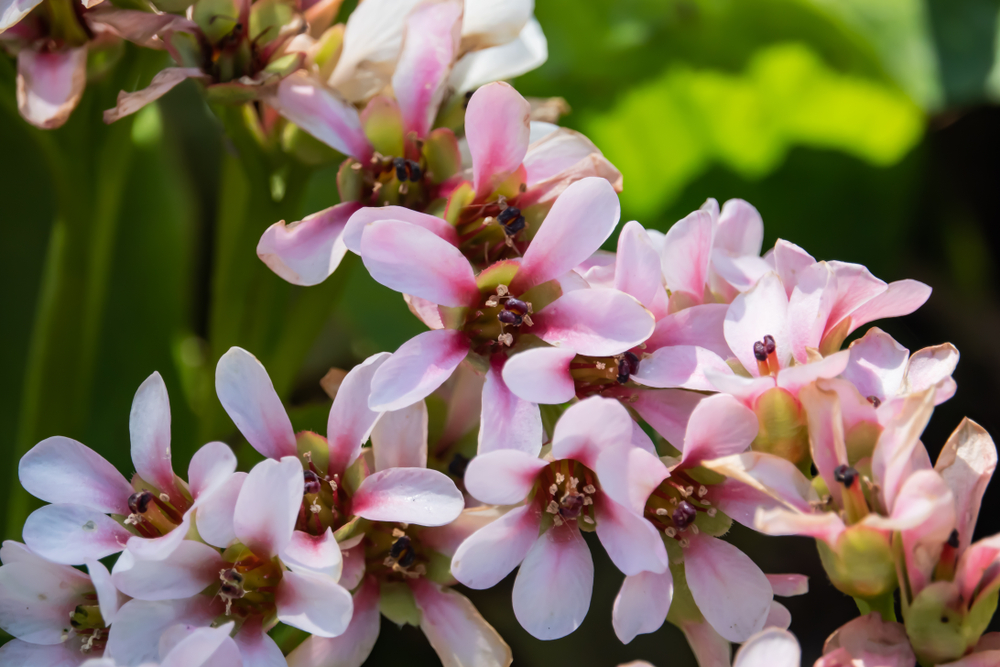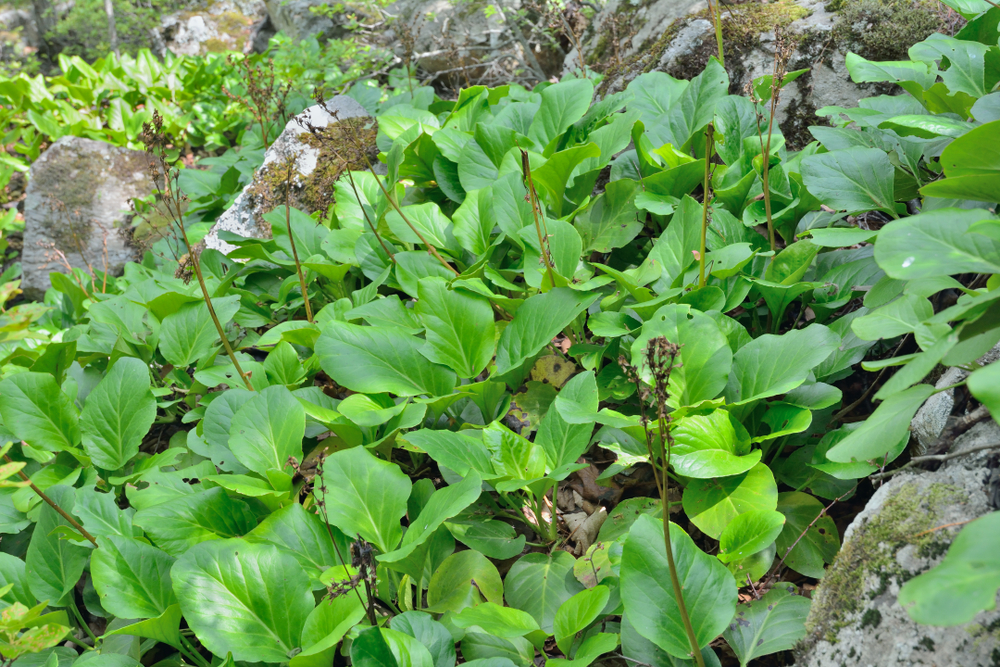
Most home gardeners fall in love with Bergenia (also known as Elephant’s Ears) because of those stunning, colorful flower clusters. So, it’s definitely a bummer when your plant stays green but refuses to bloom. If your Bergenia is being stubborn, there are a few common culprits to look out for, and each one has a different fix.
Too Much Fertilizer
Believe it or not, you can actually be *too* nice to your plants. If you over-fertilize, your Bergenia gets a massive energy boost, but instead of putting that energy into flowers, it funnels it all into growing giant green leaves. If your plant looks huge and lush but has zero buds, try cutting back on the plant food next season.
Water Issues and Soggy Feet
Bergenias are a bit like Goldilocks when it comes to water—they want it just right. They absolutely hate “wet feet,” so if your soil doesn’t drain well and stays waterlogged, the plant will struggle to bloom. On the flip side, if the soil is too dry, the plant might still flower, but the blooms will fade and disappear way faster than they should.
Location, Location, Location
If your plant isn’t happy, it might be time to check its spot in the garden. Bergenias generally prefer partial shade. If they’re stuck in a dark, deep-shade corner or baking in the harsh afternoon sun, they might decide to skip the flowering stage altogether.
Other Common Culprits
If your location, soil, and feeding schedule are all on point, there are a few other things that could be going on. A lack of flowers might be the result of a bad pruning job from the previous year. It’s also possible that a late winter freeze nipped the buds before they could open. Lastly, keep an eye out for pests—if your plant is fighting off an infestation, it won’t have the strength to put on a floral show.
To recap, if your Bergenia isn’t blooming, check for these issues:
- Over-fertilizing (too much nitrogen)
- Standing water or poor drainage
- The wrong amount of sunlight
- Pruning at the wrong time
- Winter frost damage
- Pest problems