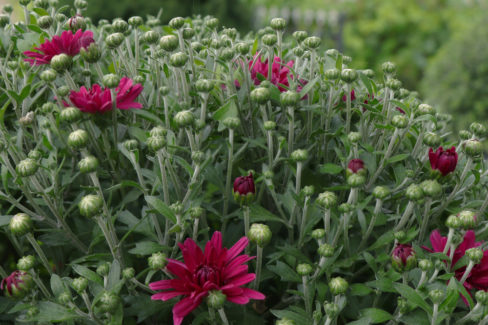
Chrysanthemums—or “mums” as we love to call them—are the absolute stars of the fall garden. Whether they’re brightening up your porch in pots or tucked into your flower beds, these colorful beauties are a seasonal staple. You can even keep them as houseplants! While many people toss them once the frost hits, you can actually overwinter them. However, a common frustration for many gardeners is when those mums just refuse to bloom again the following year.
Why Your Mums Might Be Acting Shy
Mums are “heavy feeders,” meaning they need a lot of fuel to produce those gorgeous, dense clusters of flowers. Potted mums, in particular, need a steady diet of fertilizer to stay happy. If your plants are looking a bit green but lack flower power—or if the buds are falling off before they even open—you’re likely looking at one of these culprits:
- Not enough nutrients
- Watering mishaps
- The wrong location
- The plant is just getting too old
Feed Those Hungry Plants
Since mums are such heavy feeders, they need plenty of nutrients to develop buds. If the soil is depleted, the plant simply won’t have the energy to bloom. If your mum is struggling, reach for a high-quality liquid fertilizer. It’s the fastest way to give the plant an immediate nutrient boost.
Getting the Watering Just Right
Mums are thirsty plants, but they hate “wet feet.” You want the soil to stay consistently moist, but never soggy. When watering, make sure the moisture reaches the roots, but always dump out any excess water sitting in the saucer after a few minutes. If you’re potting them yourself, I always recommend adding a layer of broken terracotta shards or gravel at the bottom of the pot to help with drainage.
Location, Soil, and Fertilizer
Mums love a bright spot, but they aren’t huge fans of intense, direct sunlight—especially that scorching midday sun. A sheltered spot with dappled shade or bright, indirect light is usually the “sweet spot.” As for the soil, they thrive in loose, humus-rich dirt that stays slightly damp. When you first plant them, mixing in some compost gives them a great head start. After that, you can top-dress with compost every four weeks, or keep it simple by using a liquid fertilizer every two weeks during the growing season.
Dealing with “Old” Mums
If you take good care of your chrysanthemums, they can live for quite a while, growing into big, hardy bushes. But eventually, even the best-kept mums might stop blooming as vigorously. When that happens, it’s time for a little “rejuvenation.” The best time to do this is in the spring once the danger of frost has passed. Carefully dig up the entire root ball, split it into sections with a sharp spade, and replant the divisions. This “reset” usually gives the plant the spark it needs to start blooming like a pro again!