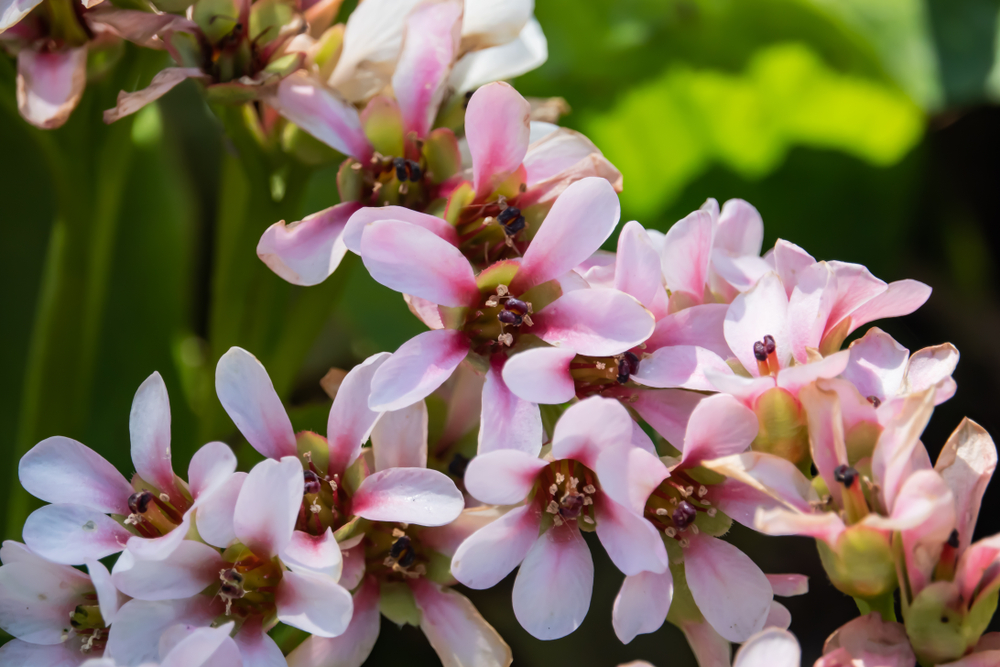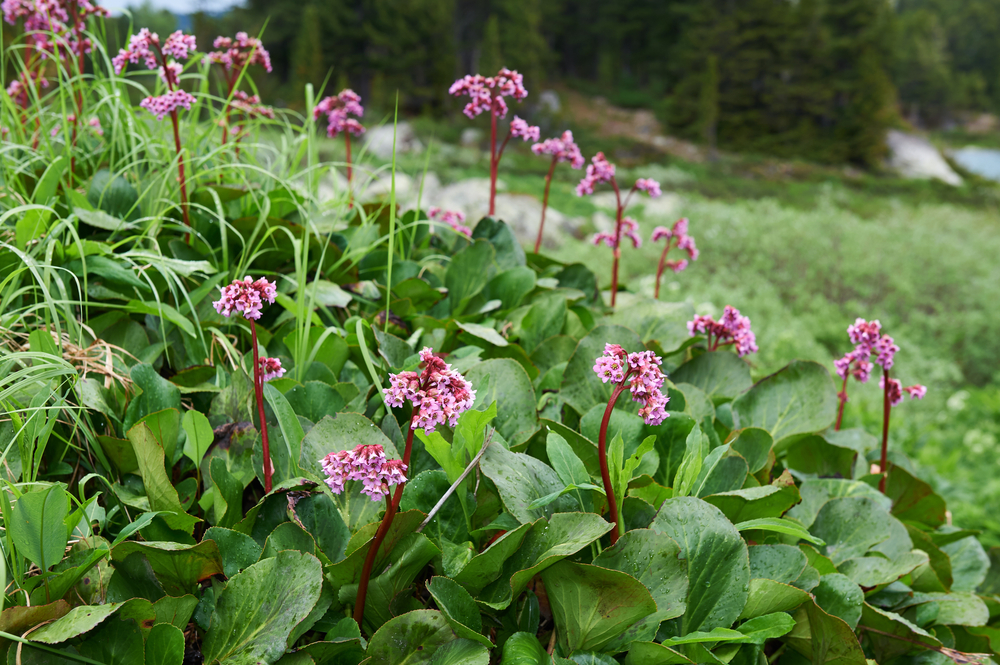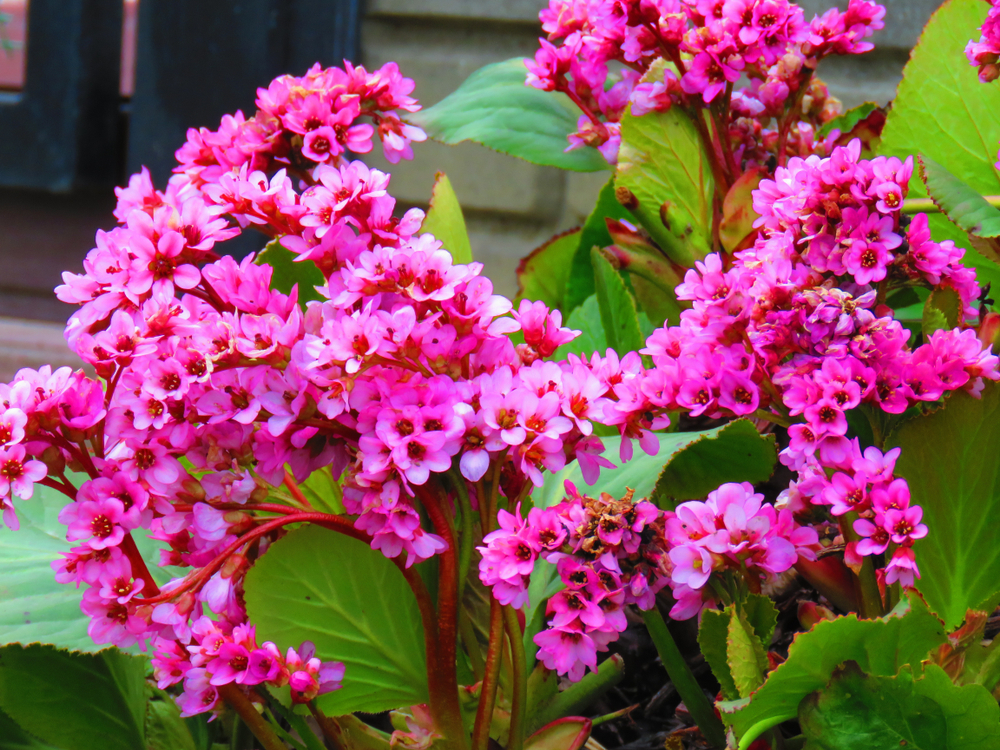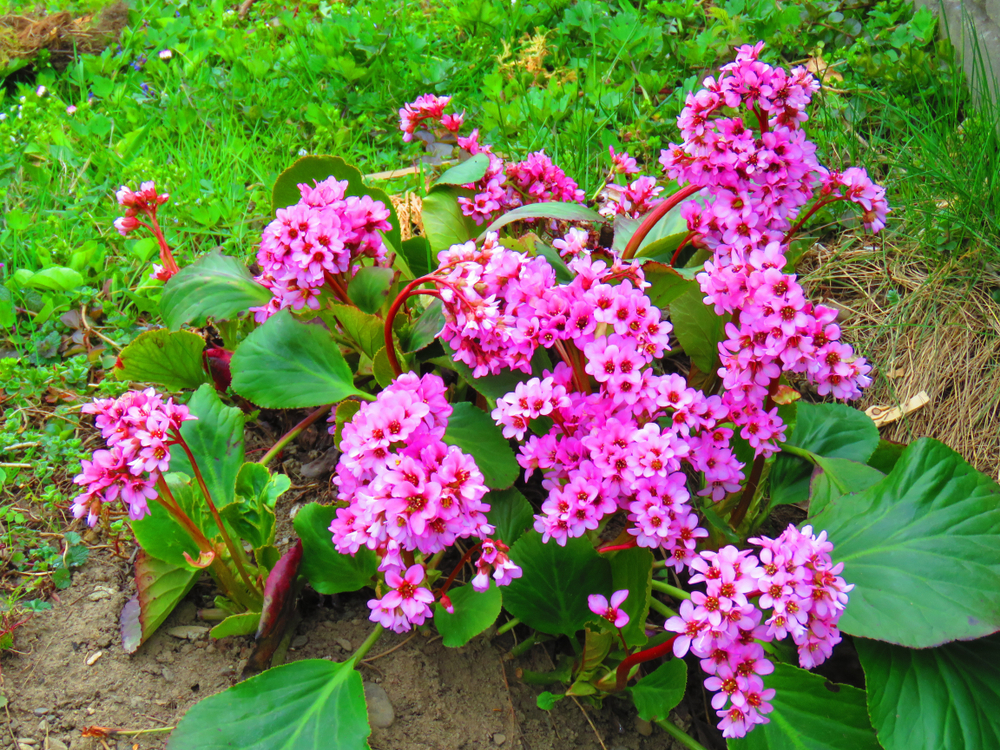
It’s no secret why Bergenia (often called Elephant’s Ears) is such a hit with home gardeners—these plants are about as low-maintenance as it gets. They aren’t picky about where they grow, and they don’t need much in the way of watering or fertilizing. Really, the only time you’ll need to roll up your sleeves is when it’s time for a little pruning.
After the Blooms Fade
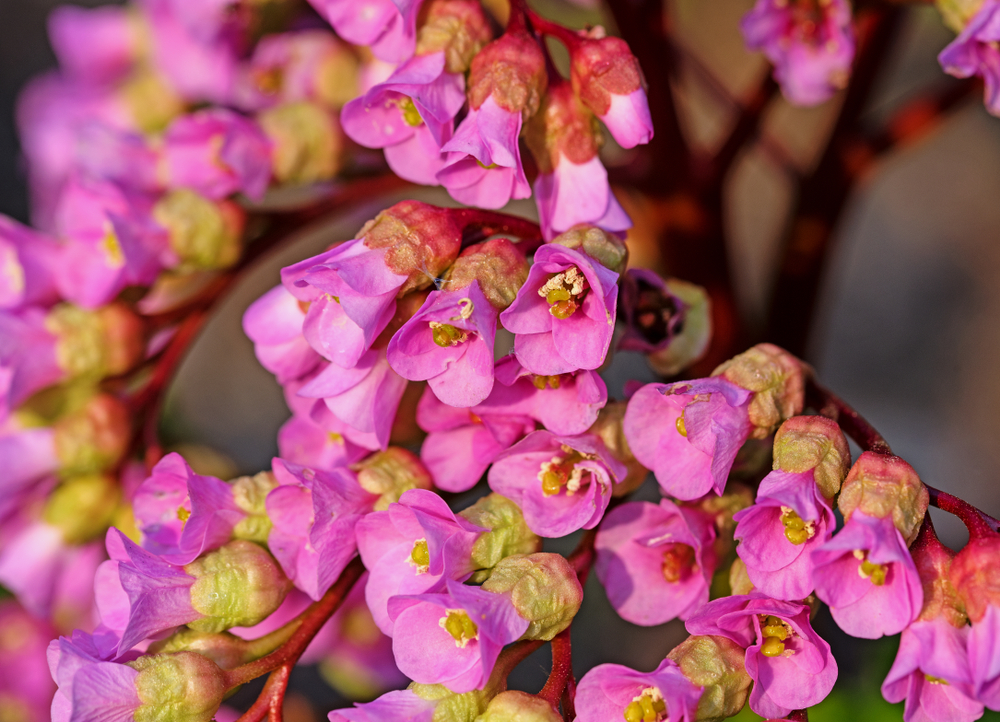
Technically, you don’t *have* to prune Bergenia regularly for the plant to survive. However, if you want your garden to stay looking sharp, a quick trim after the flowering season is a great idea. This is especially true if you’re growing a variety that reblooms. To give your plant the best shot at a second flush of flowers in the fall, you’ll want to clear out those spent spring blossoms first.
Preventing Seed Production
The main reason to prune after blooming is to stop the plant from putting all its energy into making seeds. Once the flowers fade, the Bergenia naturally focuses on ripening its fruit. By cutting those stems back, you’re telling the plant to redirect its energy into a second round of reproduction (aka more beautiful flowers!) later in the year. Just make sure you cut the flower stalks all the way down to the base of the plant.
Keeping Things Tidy
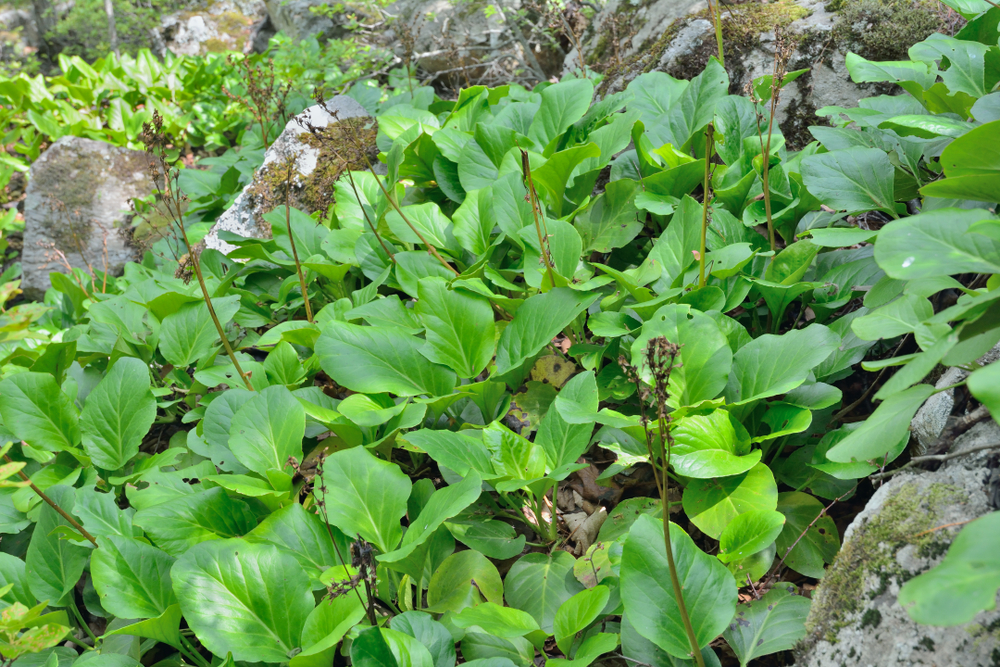
Since Bergenia is a hardy perennial, it can get a bit unruly as the years go by. Every once in a while, it’s a good idea to give the whole plant a haircut to keep it looking neat and tidy. Don’t be afraid to be a little aggressive here—Bergenia is tough and handles a “hard prune” surprisingly well. Just make sure you give it some TLC afterward to help it bounce back. Here’s your post-pruning checklist:
- Clear away all the dead leaves and clippings.
- Give the plant a deep, thorough watering.
- Use a balanced all-purpose fertilizer to jumpstart new growth.