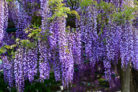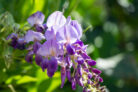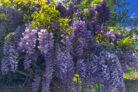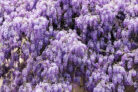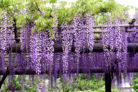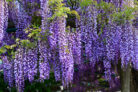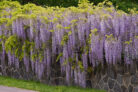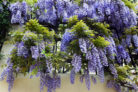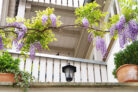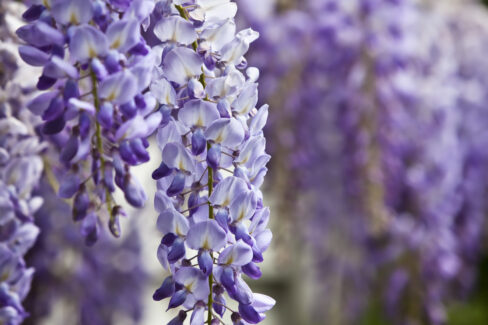
Wisteria is famous for its breathtaking floral display. When everything goes right, this climber creates a literal waterfall of blue blossoms right in your backyard. But sometimes, despite your best efforts, your wisteria might refuse to bloom. If you’re staring at a wall of green leaves with no flowers in sight, don’t worry—here’s a look at what might be going on.
First things first: Check the basics
Before you panic, remember that a lack of flowers doesn’t always mean there’s something wrong with the location or your gardening skills. If your wisteria isn’t blooming during its expected flowering season, it might simply be a matter of age. Wisteria plants usually need two to three years (and sometimes longer if grown from seed) before they’re mature enough to flower. If your plant is still a “teenager,” you just need a little patience. Trust me, once it hits its stride, that spectacular bloom will be worth the wait!
Common reasons for a lack of blooms:
- The plant is still too young
- Nutrient deficiency
- Not enough sunlight
- Too much nitrogen
- Incorrect pruning
If the issue is related to the environment or care, you’ll want to address it sooner rather than later. This might mean transplanting your wisteria to a sunnier spot or switching up your fertilizer routine. Another hidden culprit? Waterlogging. If the roots are sitting in soggy soil, the plant will struggle. In these cases, you’ll notice more than just a lack of flowers—the leaves will look sickly, too. You can fix this by moving the plant or adding a drainage layer to the soil to keep those roots happy and dry.
Typical culprits for a flowerless wisteria
Often, it comes down to “location, location, location” or a bit of a diet issue. A lack of water or insufficient sunlight are quick ways to stress a wisteria into skipping its bloom. On the flip side, too much nitrogen in the soil is a very common mistake. If you’ve been using a fertilizer high in nitrogen (like certain manures or standard liquid feeds), you’re basically telling the plant to grow lots of lush green leaves but forget about the flowers. Check your fertilizer labels and aim for something that promotes blooming instead.
Pruning your wisteria:
- Wisteria can handle (and actually likes) a heavy prune
- Always prune in the spring
- Be careful not to damage existing buds
Pruning is where many gardeners get tripped up. The most important thing to remember is that wisteria blooms on “old wood.” To encourage those flower clusters, you need to prune the side shoots back toward the main woody branches. If you just let the plant grow wild, you’ll end up with a lot of new, green growth that won’t produce flowers. Regular, strategic pruning is the secret sauce to getting that flower-heavy look we all love.