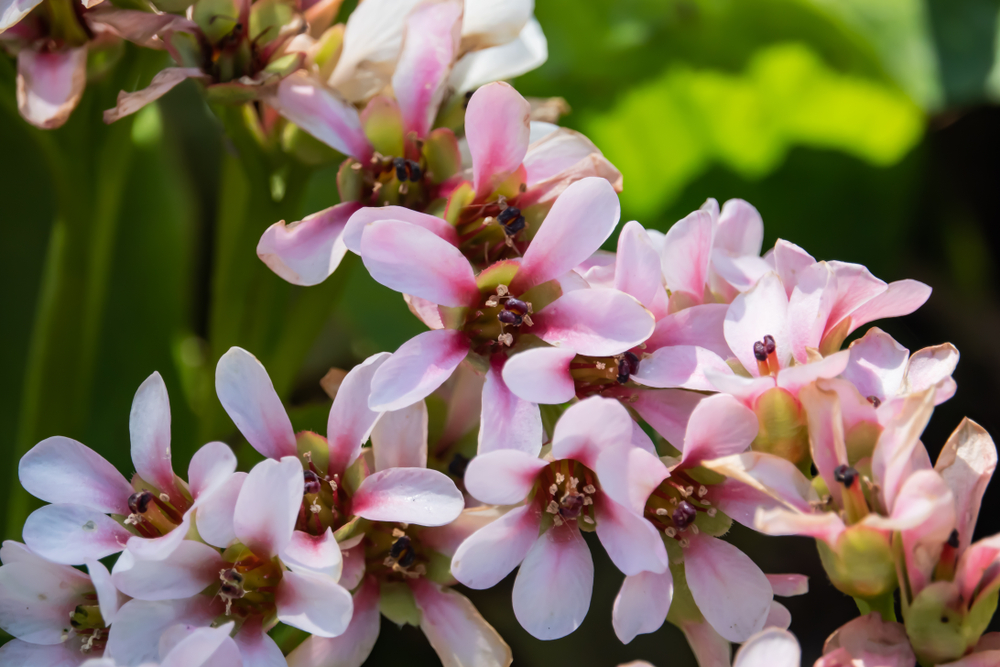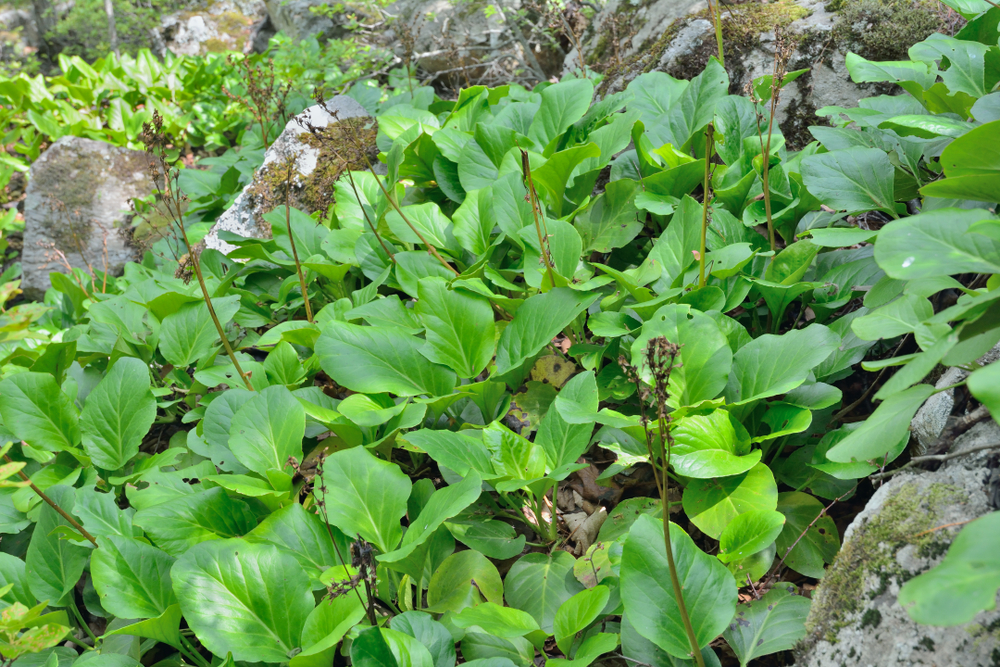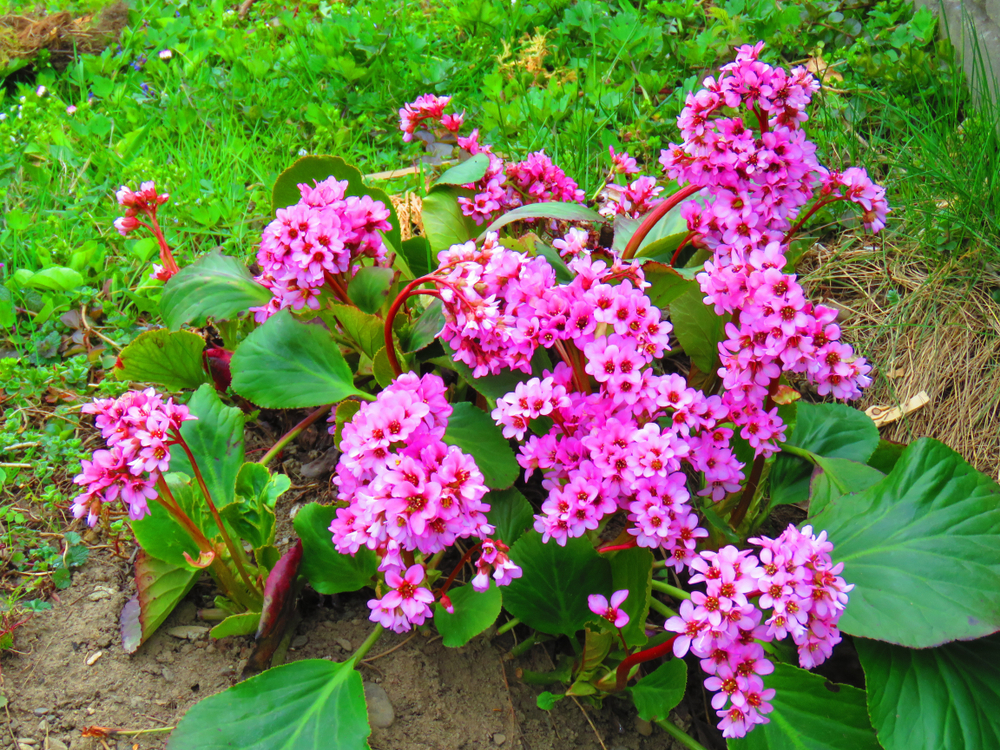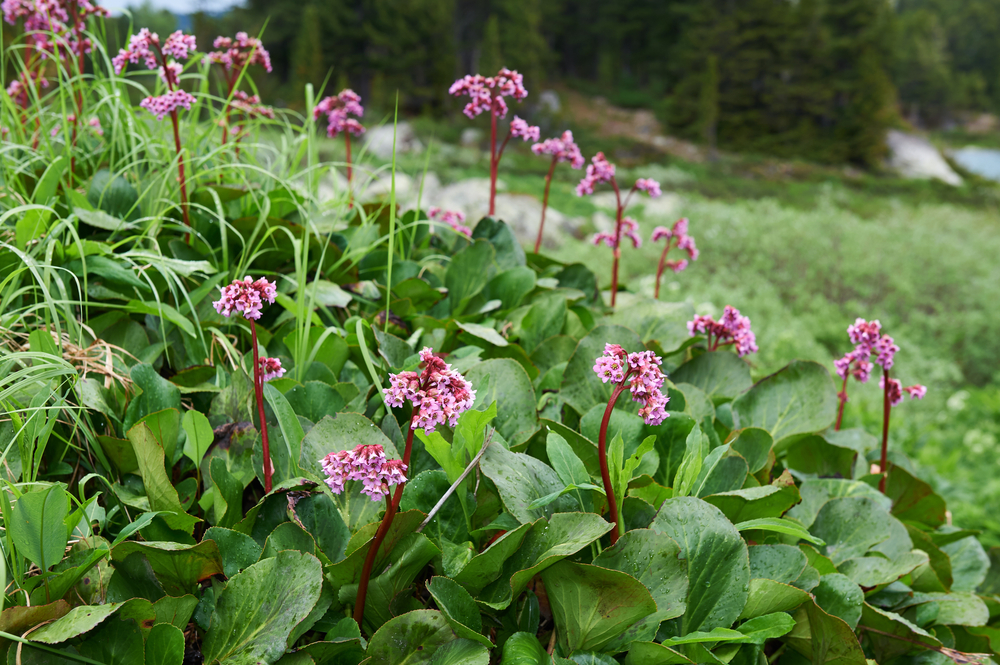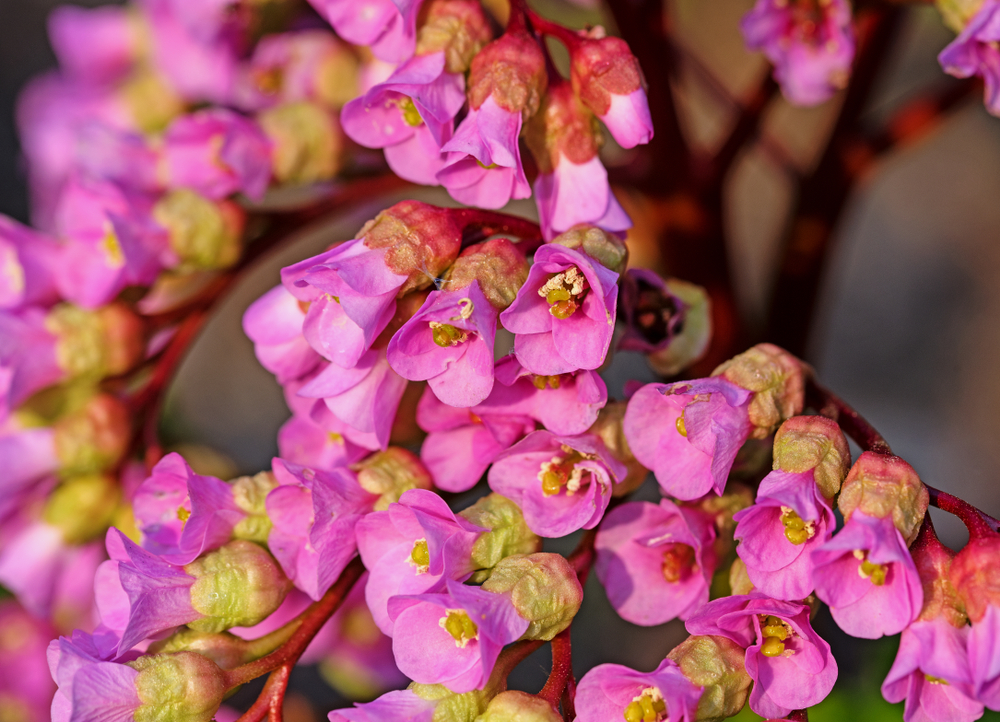
Let’s be honest: we all love plants that don’t demand constant attention. If you’ve got Bergenia (often called Elephant’s Ears) in your garden, you already know how wonderfully low-maintenance they are. It’s no wonder so many gardeners want more of them! If you’re looking to expand your collection, you’ve got a few great options.
The Easiest Way: Root Division
The most straightforward way to get more Bergenia is by simply dividing the root ball. For the best results, make sure you’re picking a healthy, established plant that’s been in the ground for a few years. Here’s how you do it:
- Use a garden fork to gently lift the root ball out of the ground.
- Clean things up by removing any brown or dead leaves.
- Use a sharp spade or a garden knife to slice the root ball into sections.
- Make sure every new piece has at least a few leaves attached.
- Try to be gentle and keep as many of those fine feeder roots intact as possible.
- Pick out some new spots for your new plant babies.
- Mix a little compost into the soil in the new planting holes to give them a head start.
Growing from Seed
If you’re not in a rush, you can also grow Bergenia from seed. The best times to get started are either in early spring (March/April) or late summer (August/September). Since these seeds need both light and warmth to germinate, I recommend starting them indoors, especially in the spring. Just press the seeds lightly into moist seed-starting mix—don’t bury them, as they need light to sprout! Keep the pot in a bright spot at about 70°F (20°C). Once the seedlings have been growing for two or three weeks, they’ll actually start craving cooler air, so that’s your cue to transplant them to a suitable outdoor location.
Rhizome Cuttings
A third option is to use cuttings. For this method, you’ll still need to dig up the root ball. Instead of splitting the whole thing, you’ll just snip off two or three rhizomes (those thick, fleshy horizontal stems). Clean them off and cut them into even sections, about two inches long. Lay these pieces horizontally in moist soil. It usually takes about a month or two for them to establish roots, but before you know it, you’ll have brand-new plants ready to go!