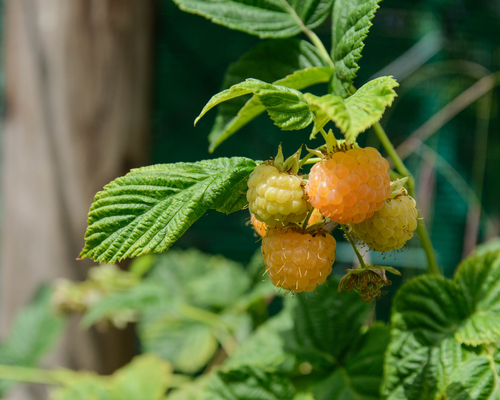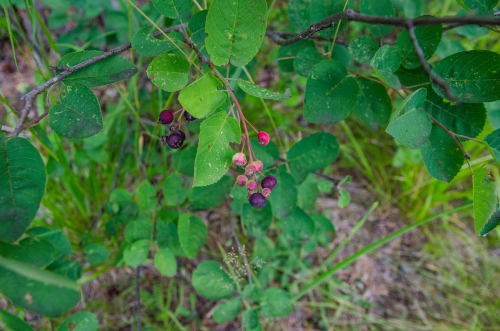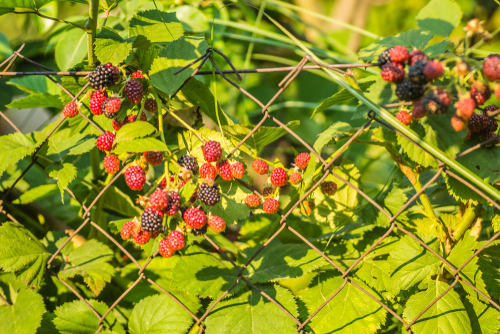
Beberry bushes are famous sun-worshippers. While most fruit varieties crave as much light as possible, let’s be honest—we’re all a little grateful for a shady spot when the midsummer heat hits. If your garden has more shade than sun, your options for berry picking are a bit more limited, but you definitely still have choices!
Shade gardening usually means smaller harvests
Technically, you can plant berries like raspberries or blackberries in the shade, and they’ll grow just fine. However, there’s a major catch: your harvest will likely take a hit. Berry bushes need sunlight to develop those juicy, aromatic fruits we all love.
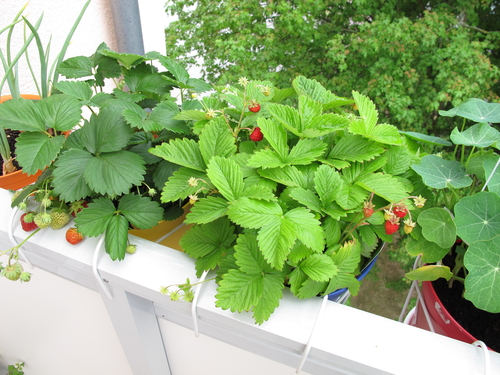
In deep shade, you might find your berries stay small and lack that punch of flavor. Plus, less sun often means more moisture sitting on the leaves, which can increase the risk of pests and diseases. Currants aren’t big fans of the shade either. Even if you’re growing your berries in containers, finding a sunny spot is key to a good crop.
The exceptions: Blueberries and Wild Strawberries
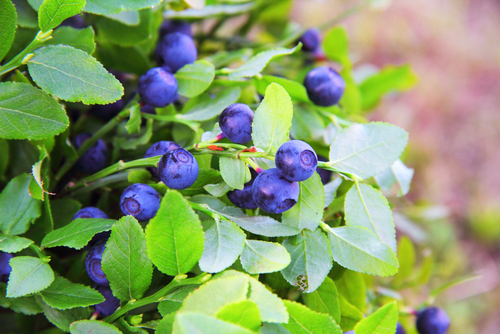
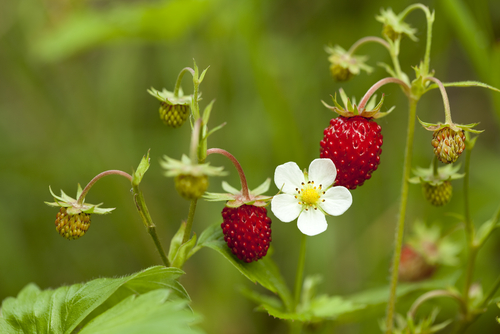
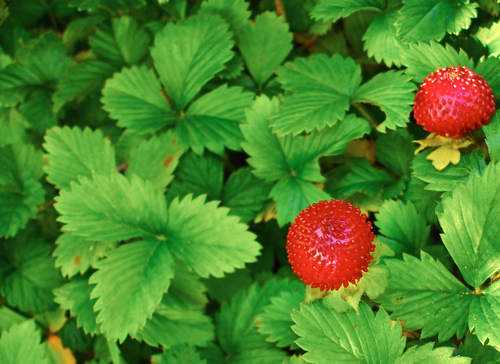
In the wild, these berries are often found in damp moorlands or dappled forests. Since you won’t find a full-sun spot in the middle of a dense forest, wild strawberries and wild blueberries are naturally adapted to partial shade or even full shade. Just keep in mind that this mostly applies to the wild varieties—the large “cultivated” blueberries you find at the nursery still prefer plenty of sun.
Lingonberries are another great option for those shadier corners of the yard. So, even if your garden isn’t a sun-drenched paradise, you don’t have to give up on homegrown fruit! These shade-tolerant berries are perfect for making:
- Jelly,
- Jam,
- Fresh juice, or
- Compote.
What about Gooseberries?
Gooseberries are actually pretty flexible when it comes to where they live. While they technically produce the most fruit in full sun, there’s a limit to what they can handle. If the summer temperatures get scorching hot, the bushes can actually get stressed. Because of this, a spot with partial shade is often the “sweet spot.” Ideally, you want to protect them from that intense, direct midday sun. This is especially true for gooseberries grown as “standards” (tall, tree-like grafts), as they don’t handle extreme heat very well at all.