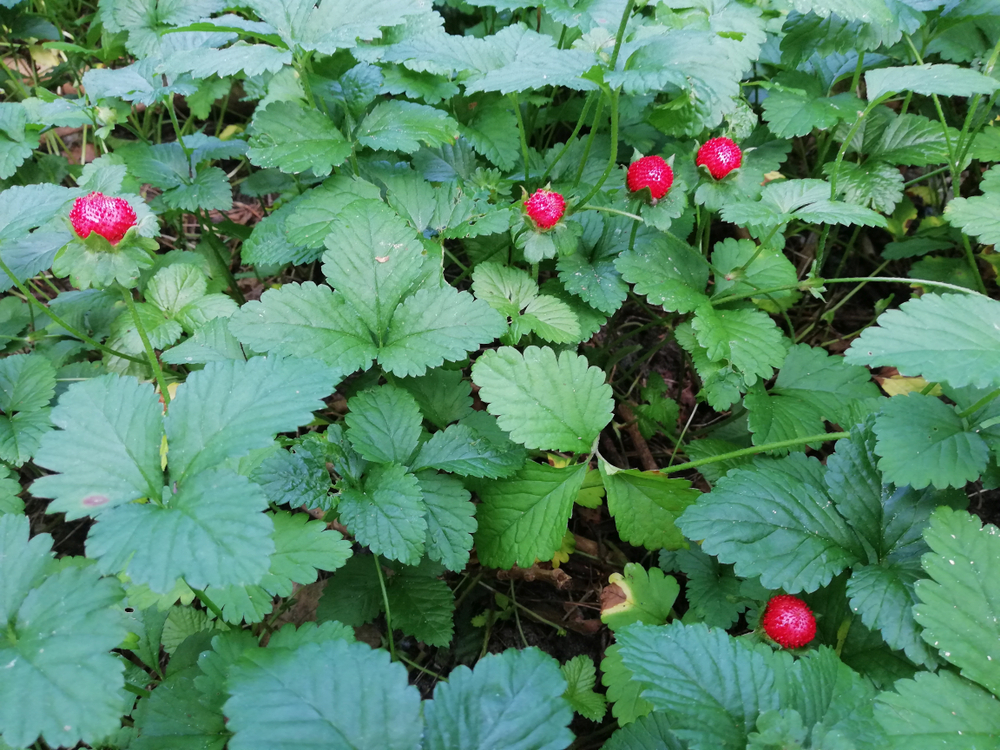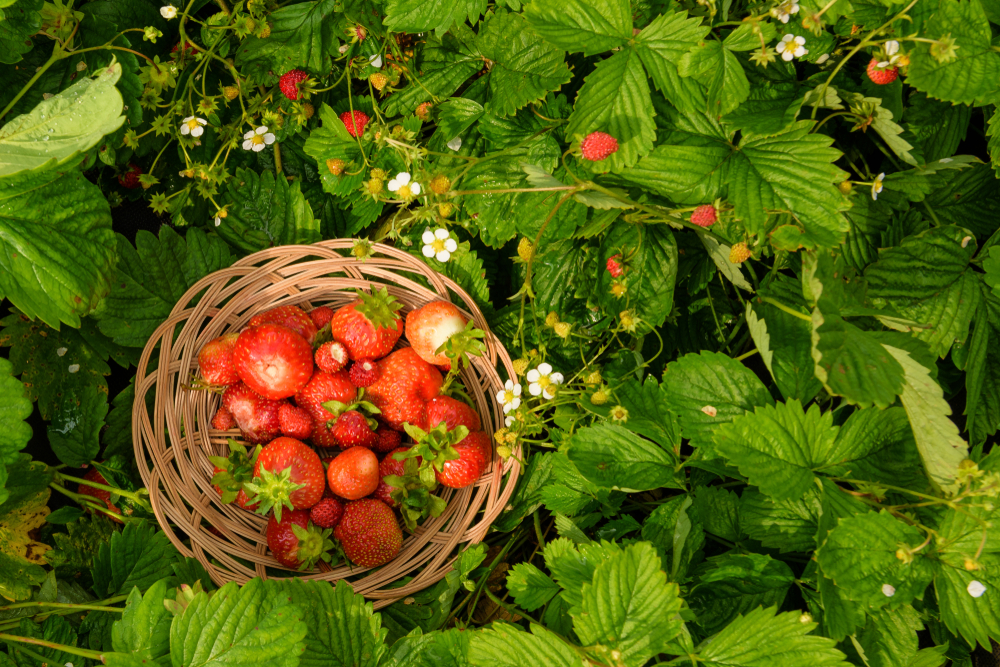
If you’ve ever taken a stroll through the woods and stumbled upon a patch of wild berries, you know exactly how delicious they are. They’re packed with an intense aroma and flavor that store-bought fruit just can’t touch. However, a lot of folks worry about things like fox tapeworm when foraging in the wild. The good news? You can skip the worry entirely by growing your own “wild” berries right in your backyard!
Bringing the Forest to Your Backyard
Technically speaking, favorites like blackberries, blueberries, and cranberries aren’t “garden” plants—they’re forest dwellers by nature. You can really see this in the types of soil and light they prefer. While most gardeners choose cultivated varieties for higher yields, you can absolutely plant the true wild forms in your garden. Some great options include:
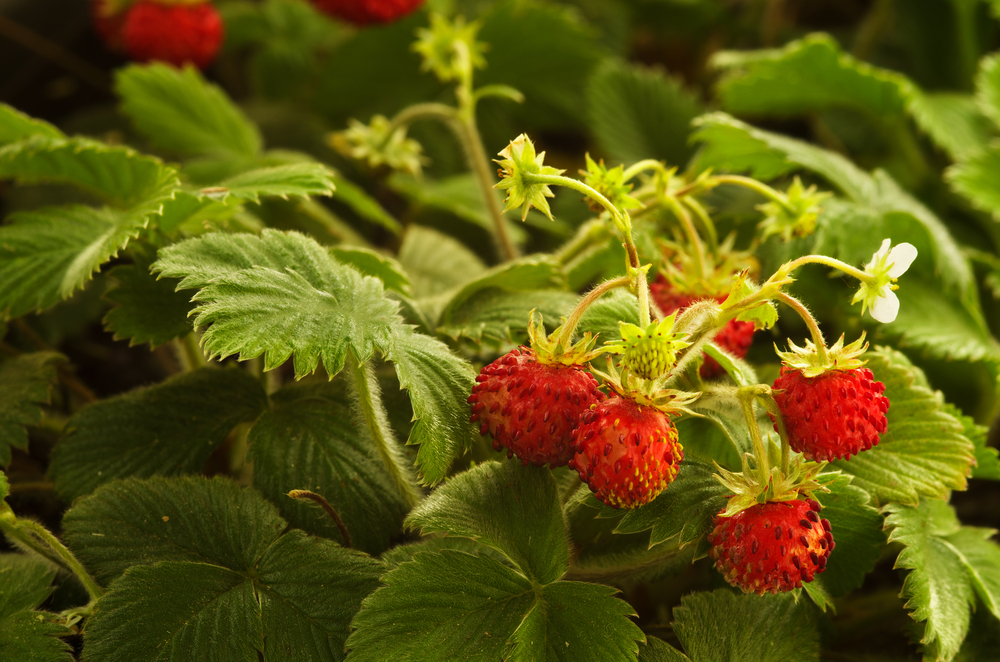
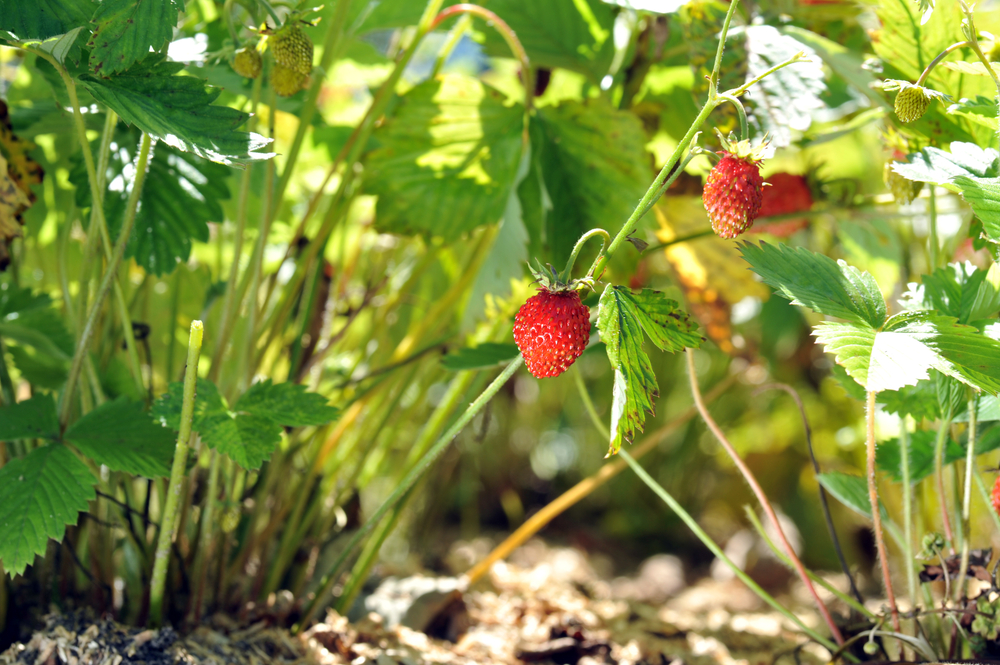
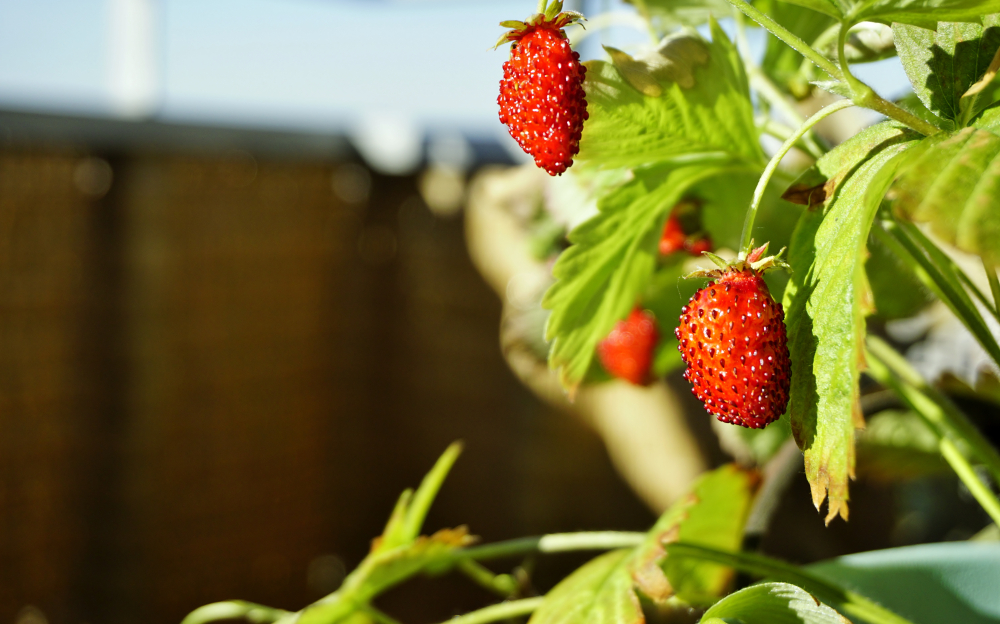
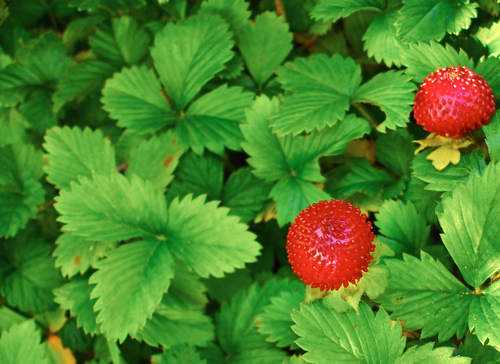
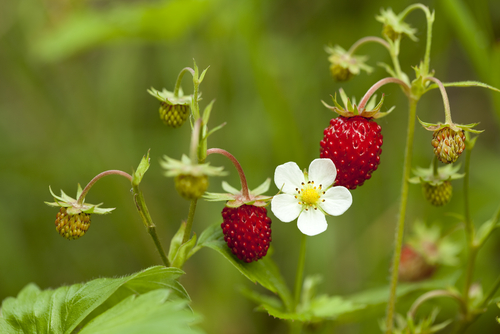
- Wild strawberries (Alpine strawberries)
- Wild blueberries
- Wild raspberries
- Wild blackberries
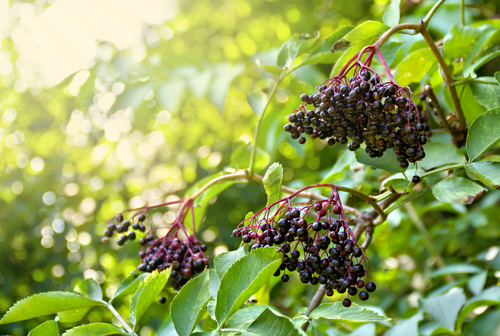
The name “forest berries” gives you a huge hint about where to plant them. In the wild, these plants live under the canopy, so they don’t actually need full sun. In fact, partial shade or even full shade is usually just right. The one big exception is Elderberry; you’ll usually find it on the sunny edges of the woods, so it’ll appreciate a bright, sunny spot in your yard.
How to Get Your Wild Berries in the Ground
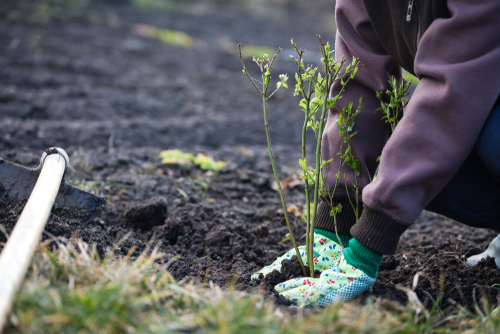
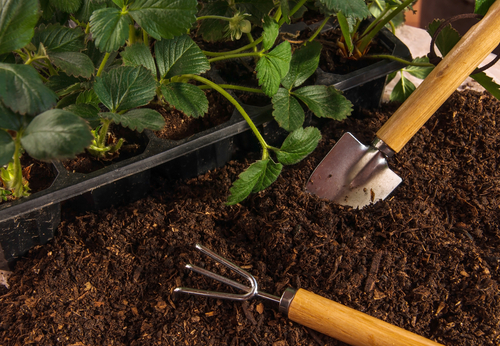
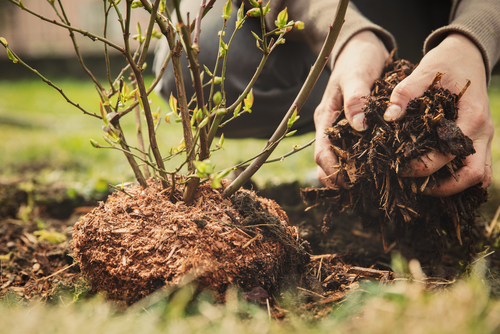
If you’re ready to give these forest favorites a home, autumn is hands-down the best time to plant. Forest berries are used to damp soil and are pretty sensitive to drying out. Since fall usually brings plenty of rain and consistent moisture, it’s the perfect window. Just make sure you don’t keep the plants out of the soil any longer than necessary during the transplanting process.
Spring is your next best bet if you miss the fall window. To keep them happy, try to mimic the forest floor: the soil should be moist, rich in organic matter (humus), and deep. They won’t be very happy in dry, sandy, or “lean” soil. If your dirt is looking a little sandy, just mix in some well-aged compost to give it a boost.
When Is Harvest Time?
There isn’t one single date for the harvest because the variety of species is so broad. Generally speaking, most wild berries ripen between late June and late August. Of course, this depends on your local weather, your elevation, and exactly where you planted them.
One of the best things about wild berries is that they’re low maintenance—they’ll propagate themselves just like they do in the woods. Just a heads-up, though: because they’re so good at spreading, they can be a bit tough to get rid of once they’ve settled in and made themselves at home!