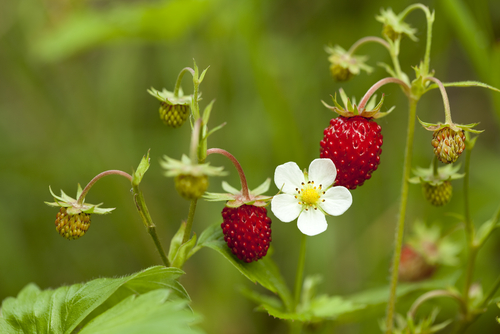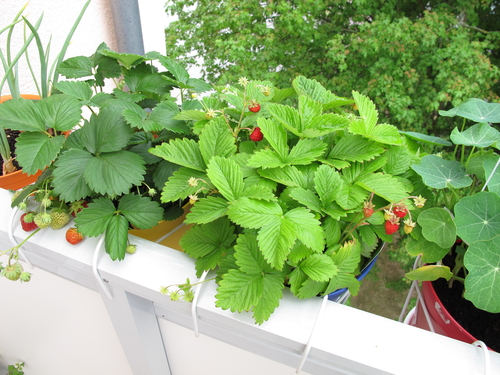
Who doesn’t love fresh berries? They’re a hit with kids and adults alike, and honestly, there’s a variety out there for every palate. If you’ve got a sweet tooth, you’ll probably gravitate toward blueberries and raspberries. But if you’re a fan of that refreshing, tart kick, currants are going to be your new best friend.
The Lowdown on Berry Bushes
You’ll find berries in almost every home garden these days. Whether you just want a few bushes for snacking or you’re looking to harvest in bulk, berry shrubs are fantastic because they give you a huge payoff with very little maintenance. Just keep in mind that raspberries and blackberries need a bit of elbow room—they love to spread out and usually need some trellising or support to stay manageable. But trust me, the delicious fruit is well worth the extra space!
If you’re working with a smaller yard, blueberries are a perfect choice. They stay relatively compact and even work beautifully as edible groundcover. They’re decorative, healthy, and taste amazing. Of course, you can’t go wrong with classics like currants or gooseberries, which are staples in backyard gardens for a reason.
Raspberries
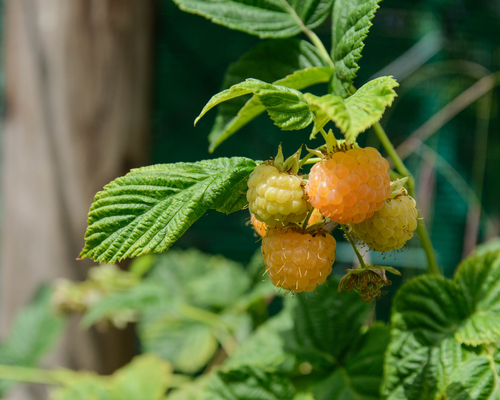
When it comes to raspberries, you’ve got two main choices: summer-bearing or fall-bearing. The difference isn’t just about when you pick them; they actually have slightly different flavor profiles. Many gardeners swear that summer varieties are more aromatic and flavorful. However, there’s always an exception to the rule—the “Golden Everest” fall raspberry is famous for its incredible taste.
One big “pro” for fall-bearing raspberries is that they tend to be tougher against pests and diseases. If you’ve struggled with sickly summer bushes in the past, switching to a fall variety might save you a lot of headaches, even if the flavor is a tiny bit different.
Here are a few standout varieties to look for:
- “Meeker”: Super aromatic with a long shelf life. It’s a tough cookie when it comes to disease, pests, and frost.
- “Himbostar”: Bright red, medium-sized berries that are incredibly juicy and sweet. Just make sure to keep these well-watered!
- “Golden Queen”: A summer variety that produces large, round, yellow fruits. It’s a heavy producer with a long harvest window if you keep it hydrated.
- “Golden Everest”: An early fall-bearing yellow raspberry. It’s sweet, aromatic, and very hardy.
Blackberries
Blackberries come in two styles: thorny and thornless. For home gardens, thornless varieties are the clear winners (your hands will thank you!). In the past, people thought thornless meant less flavor, but modern breeding has fixed that. Today’s thornless varieties are just as tasty as their prickly cousins.
Check out these delicious options:
- “Waldo”: A high-yielding, thornless variety that ripens early. The berries are large, sweet, and aromatic.
- “Theodor Reimers”: A classic favorite. It does have thorns, but it rewards you with tons of sweet, smaller berries starting in late July.
- “Navaho”: A late-ripening, thornless variety. The berries are firm with a perfect sweet-tart balance.
Blueberries
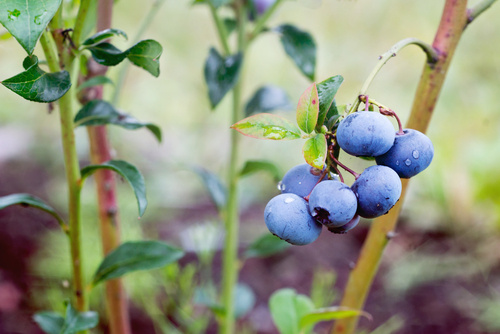
Most of us think of the tiny, tart wild berries we find in the woods. While those are great, “highbush” or cultivated blueberries are usually better for the garden. They’re bigger, sweeter, and juicier. Unlike wild berries, which are blue all the way through, garden blueberries have light-colored flesh and blue skin.
For a real treat, try these varieties:
- “Denise Blue”: Produces large, firm berries that are packed with flavor. It’s a very high-yielding plant.
- “Darrow”: A late-season variety with a fantastic, slightly tart flavor and very large, firm fruit.
- “Legacy”: Known for being exceptionally delicious and robust, even if the yields are more moderate.
Currants
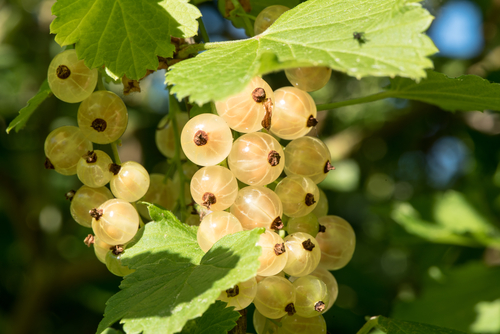
With currants, you can choose between red, black, and white varieties. Red currants are the heavy hitters—they produce the most fruit but are also the most acidic. White and black currants are a bit milder. Black currants aren’t necessarily “sour,” but they have an earthy, musky flavor, which is why most people use them for jams or syrups rather than eating them straight off the bush. Fun fact: Red currants are actually a powerhouse of Vitamin C!
Here are some top picks:
- “Jonkheer van Tets”: A very popular early-season red currant. It grows fast and produces juicy, tart berries, though you’ll want to protect it from late spring frosts.
- “Vit Jätte”: A white currant with a mild, sweet-tart flavor. It’s a great producer with a medium growth habit.
- “Ometa”: A mid-to-late season black currant. The berries are large, aromatic, and grow on very hardy plants.