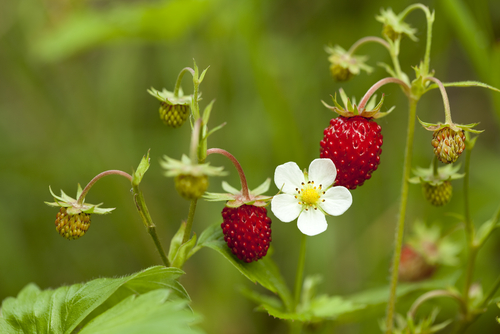
Is there anything better than wandering into your own backyard for a handful of fresh, sun-ripened fruit? If you ask me, a garden full of berry bushes is the ultimate outdoor dream. The best part? You don’t need a massive orchard to make it happen. Unlike towering apple or pear trees, berries are perfectly happy tucked into smaller spaces.
The Best Berry Varieties for Your Home Garden
When it comes to planting berries, you are seriously spoiled for choice. There is truly something for every palate. Here are the classics that thrive in a home garden:
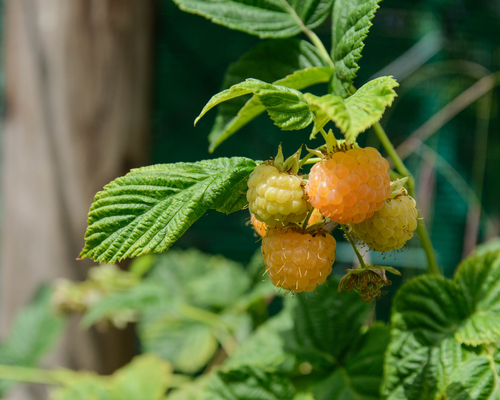
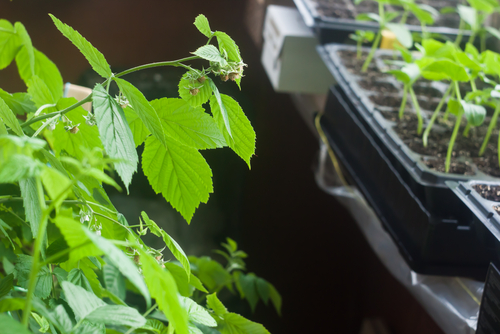
- Raspberries
- Blackberries
- Currants
- Blueberries
- Gooseberries
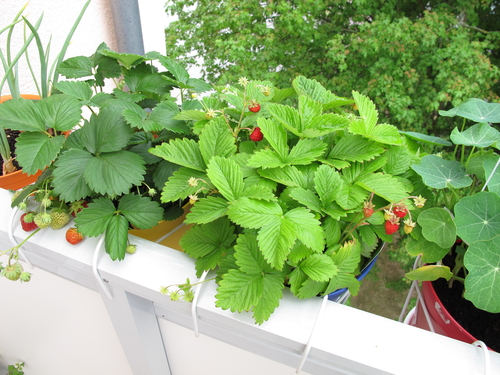
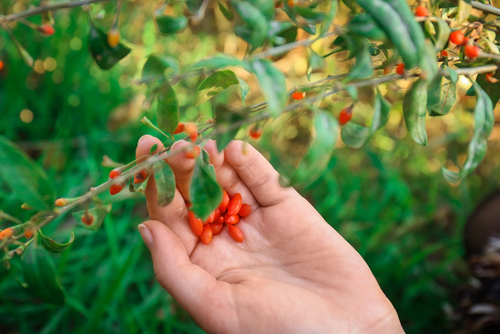
Of course, that’s just the tip of the iceberg! You can expand your patch with all sorts of unique or exotic varieties. My advice? Plant what you love to eat, but make sure it’s a good match for your garden’s soil and sun. I always recommend mixing and matching different types. Not only does it keep things interesting, but if you time your varieties right, you can be snacking on homegrown fruit all season long. And hey, if you don’t have a backyard, don’t worry—most berries grow beautifully in containers on a balcony or patio.
What Your Berries Need to Thrive
While every berry has its own little personality, they do share some common ground. Generally, currants, gooseberries, and cultivated blueberries love a sunny spot, though they can handle a bit of light shade. Wild blueberries, on the other hand, are perfectly happy in the shade. Raspberries and blackberries are the “easy-going” members of the family—they’re pretty adaptable when it comes to sun exposure.
As for the soil, berries are a bit like us—they don’t like “wet feet.” They prefer loose, organic soil rich in humus. Heavy clay or waterlogged spots are a no-go for most bushes. Since berries have relatively shallow root systems, sandy, well-draining soil is ideal. To give them a nutritional boost, just mix in a healthy dose of mature compost before planting.
How to Plant Your Berry Bushes
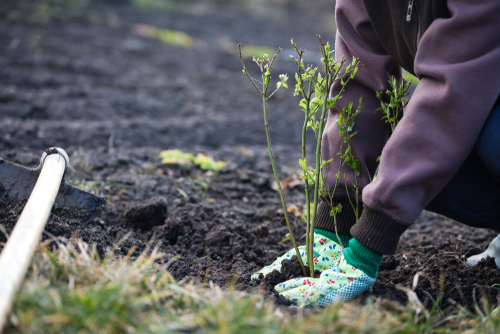
For most berries, autumn is the “golden window” for planting. This is especially true for bare-root plants. If you bought your berries in a plastic nursery pot (container-grown), you have a bit more flexibility, but fall is still great. The big exception here is the blackberry. These guys prefer being planted in the spring so they have plenty of time to establish their roots before the first winter frost hits.
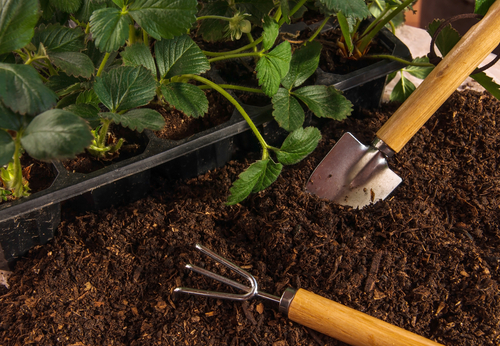
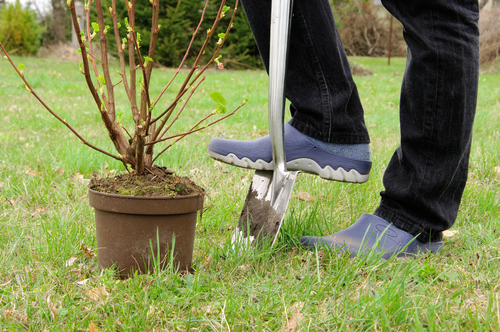
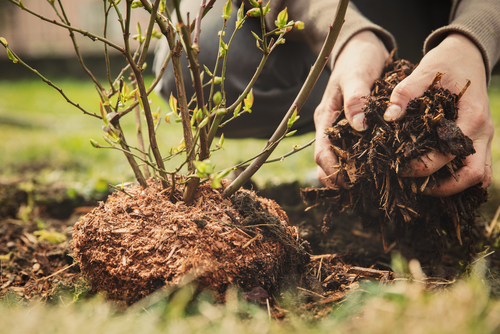
When you’re ready to dig, be gentle! Those roots can be delicate. Dig a hole about twice as wide as the root ball, and toss in some compost and horn meal (or a slow-release organic fertilizer) to give your new plant a warm welcome.
When Is Harvest Time?
In the gardening world, we have a handy little trick for remembering currants: they usually start ripening around late June (traditionally around St. John’s Day). Gooseberries follow shortly after, typically ready by the end of June. Raspberries generally peak in June and July, while blackberries are the marathon runners of the garden—you can often harvest them from June all the way through October. For more details, check out our full guide on berry harvest times.