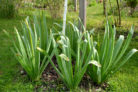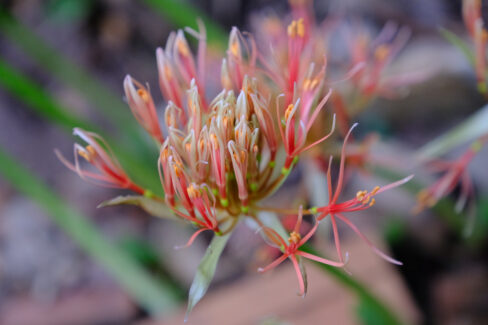
Blood lilies are part of the Amaryllis family, and let me tell you—getting them to show off those stunning, lush blooms isn’t always a walk in the park! These exotic beauties are a bit high-maintenance, making them a perfect challenge for the truly passionate gardener. If you want to master the art of cultivating this “diva” and get it to bloom year after year, I’ve got some pro tips for you.
Why isn’t my blood lily blooming?
A blood lily won’t just flower on its own; it needs to be planted and pampered just right.
If your plant is staying green but skipping the flowers, it’s usually due to one of these common culprits:
- The soil is staying too soggy.
- It’s hungry for more nutrients.
- The individual shoots are too weak.
- It didn’t get a “chill” period during its winter dormancy.
- You’ve been dividing the plant too frequently.
Keep in mind that only strong, healthy shoots have the energy to produce flowers. Because of this, young plants usually take about three years before they’re ready for their first big show.
To keep your plant happy, make sure your care routine meets its high standards. Keep the soil on the drier side rather than soaking wet, and don’t forget to fertilize to keep those green leaves vibrant.
Don’t overdo the dividing
While it’s super easy to propagate blood lilies by dividing them, you don’t want to get too scissor-happy. Dividing them too often weakens the shoots and is a surefire way to stop blooms in their tracks.
My advice? Only divide the bulbs every third year in the spring. This gives the shoots enough time to stay resilient and build up the strength needed to push out new flowers.
Your blood lily needs its beauty sleep
One of the most common reasons for a lack of flowers is skipping the dormancy phase. These plants need a dedicated rest period in a cool environment to reset.
During the winter months, move your plant to a spot that stays between 53°F and 57°F (12–14°C). It doesn’t matter if the spot is dark or bright, but definitely keep it out of direct sunlight during this time.
Don’t forget to repot
Younger plants should be repotted every spring, while older, established lilies only need fresh soil about every three years. When choosing a pot, look for one that is only about 1.5 inches (4 cm) wider than the bulb itself. If the pot is too big, the plant will waste all its energy growing a massive root system instead of focusing on those gorgeous flowers.
One last tip: be extra gentle! The roots and bulbs are quite sensitive, so handle them with care during the move.