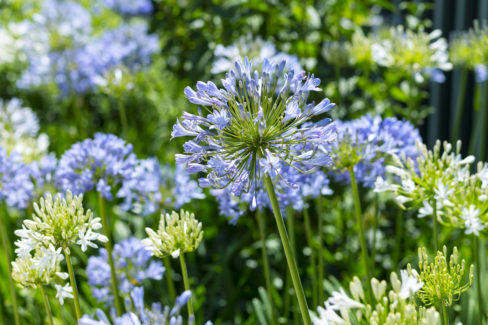
When they’re in full bloom, Lily of the Nile (Agapanthus) plants are the absolute stars of the garden. Those stunning blue petals have a way of making any outdoor space feel like a high-end retreat. If you’ve fallen in love with yours and want to spread that magic around, I’ve got great news: dividing them is super easy! Here’s how you can split your existing plants to get even more gorgeous blooms for free.
How to Divide Your Agapanthus
Whether you call them Lily of the Nile or African Lilies, these plants are famous for their spectacular flower clusters. Dividing them is the simplest way to expand your collection. In fact, if you’re growing them in containers, you’ll *have* to do this eventually. Once the root ball starts getting too tight for the pot, it’s time to step in. Just pop the plant out of its container and carefully split the rhizomes. You can then move your new “bonus” plant into its own pot or find a sunny spot for it in the ground.
Step-by-Step: How to Divide Your Lily of the Nile
- Carefully dig the plant out of the ground or slide it out of its pot.
- Use a sharp spade or garden knife to slice the root ball into two (or more) sections.
- Pick out a new pot or a perfect sunny spot in your garden.
- Replant your Agapanthus and give it a good drink.
The Best Time to Divide and Plant
Since African Lilies aren’t big fans of the freezing cold, you’ll want to handle your dividing during the warmer months. Spring is definitely the “sweet spot.” Planting in the spring gives the Lily of the Nile a chance to use that natural early-season growth spurt to establish strong roots. Don’t forget to give them a boost with the right fertilizer and make sure they’re soaking up plenty of sun. If you do that, you’ll be rewarded with a sea of flowers come bloom time.
When choosing a new home for your divided plants, keep their “feet” in mind. These plants hate having soggy roots, so well-draining soil is a must. If your chosen location tends to hold onto water, definitely add a drainage layer (like gravel or grit) at the bottom of the hole. This keeps the water moving and ensures your Agapanthus stays happy and healthy!