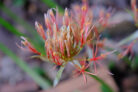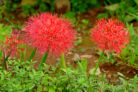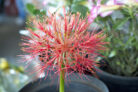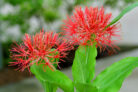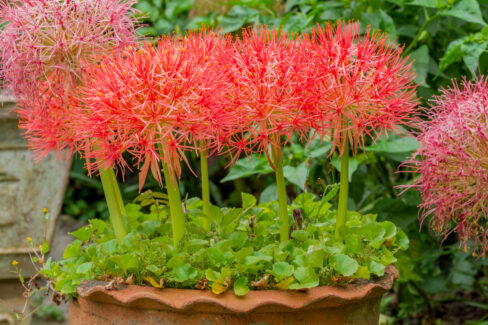
The exotic Blood Lily takes a well-deserved nap in the fall, and if you want to see those stunning blooms again next year, you’ve got to get the overwintering process just right. These delicate beauties are definitely not fans of the cold—in fact, frost is their worst enemy. Here’s the lowdown on how to keep your Blood Lily happy and healthy through the winter months.
Keep Your Blood Lily Cool (But Not Cold!)
Since Blood Lilies hail from sunny South Africa, they aren’t winter-hardy at all. They can’t handle frost, and even during their dormant phase, you should never let the temperature drop below 54°F (12°C).
During the spring and fall, they love a cozy 68°F (20°C). Once October rolls around, it’s time to move them to a slightly cooler spot for a few weeks. The sweet spot for overwintering is between 57°F and 64°F (14–18°C). Just remember: never let them dip below that 54°F mark! Find them a bright spot with plenty of light, but keep them out of harsh, direct sunlight.
If you don’t give them this cool resting period, you might find that your Blood Lily won’t bloom at all next season.
Winter Care Tips for Your Blood Lily
Even though she’s resting, your Blood Lily still needs a little TLC. Here’s what you need to keep in mind:
- Starting in September, begin scaling back on the water. During the actual overwintering phase, give it just a tiny sip now and then. You don’t want the soil to go bone-dry, but you don’t want it soggy either. Come March, you can slowly start increasing the water again.
- Skip the fertilizer during the winter dormancy. Stop feeding the plant in August, and then pick things back up in March with some liquid fertilizer.
- If you planted your Blood Lily in fresh soil in the spring, you actually won’t need to add any extra fertilizer for the next few months anyway.
- The bulb is the heart of the plant and it’s pretty sensitive. If you overwater, the bulb will rot and the plant won’t make it. It’s all about balance—not too much, not too little. Always dump out any excess water from the saucer or make sure you have great drainage in the pot.
- Before the winter rest begins, go ahead and snip off any faded flowers or yellow, withered leaves.
Younger Blood Lilies should be repotted every year, while older ones only need fresh soil about every three years. Spring, right after the winter nap, is the perfect time for this. That’s also the best time to divide the plant if you want to propagate it yourself!