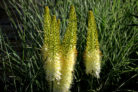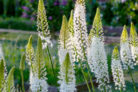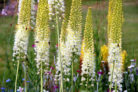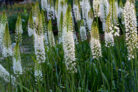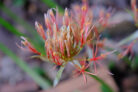
Foxtail Lilies (also known as *Eremurus*) are absolute showstoppers in the garden, producing massive, candle-like flower spikes that can reach impressive heights. However, I know it can be a bit frustrating when those spectacular blooms don’t show up as expected. If your Foxtail Lily is playing hard to get, there are usually a few specific reasons why.
The Spectacular Bloom of the Foxtail Lily
Depending on the variety you’ve planted, these flower spikes can tower up to six or seven feet tall! They are famous for their “candle” shape, densely packed with tiny florets. If your plant is looking healthy but staying green and flowerless, let’s look at what might be going on.
Patience is Key with Seedlings
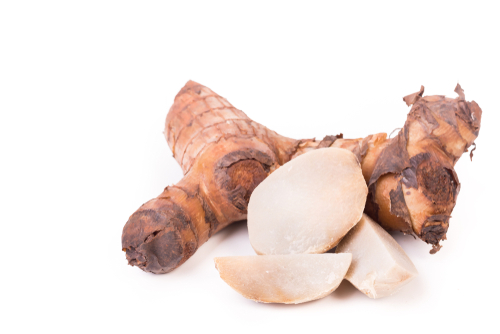
If you started your Foxtail Lilies from seeds, you’re going to need a healthy dose of patience. These plants are slow starters; it usually takes about three to five years for a seedling to mature enough to produce its first bloom. If you’re looking for faster results, planting divided rhizomes is definitely the way to go.
Common Reasons Your Lilies Aren’t Blooming
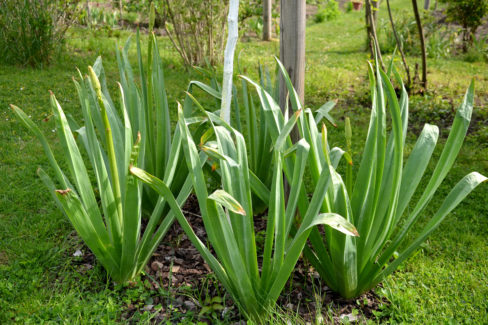
Most of the time, a lack of flowers comes down to a “right plant, wrong place” situation or a minor hiccup in your care routine. Here are the usual suspects:
- Poor location or soil conditions
- Watering issues
- Planting at the wrong time of year
- Late spring frost damage
Finding the Perfect Spot
Foxtail Lilies are sun-worshippers! They need a bright, sunny spot to thrive. They also demand loose, well-draining soil. If the ground is too compacted or the spot is too shady, the plant simply won’t have the energy to push out those big blooms.
Getting the Watering Right
This can be a bit of a balancing act. You never want the soil to dry out completely, but these plants absolutely hate “wet feet.” Standing water is the fastest way to rot the rhizomes. I always recommend adding a layer of gravel or expanded clay at the bottom of the planting hole for drainage. Water them regularly, but keep it moderate.
Timing is Everything
To get the best results, you really want to follow the plant’s natural growth cycle when planting. The best time to get them in the ground (or move them) is in early autumn, ideally between mid-August and mid-September, right after they’ve finished blooming for the season.
Planting in the fall gives the roots plenty of time to settle in before winter. If you wait until spring to plant them, they usually won’t have enough time to establish themselves and bloom that same year—you’ll likely have to wait until the following spring to see any action.
Watch Out for Frost
While Foxtail Lilies are generally hardy enough to survive the winter outdoors, they do have an Achilles’ heel: late spring frosts. If the plant has already started to sprout and a sudden freeze hits, those tender new shoots can be damaged. If the flower bud freezes off early in the season, you won’t get a bloom that year. Keep some frost cloth handy if a cold snap is predicted after they’ve started peeking out of the ground!