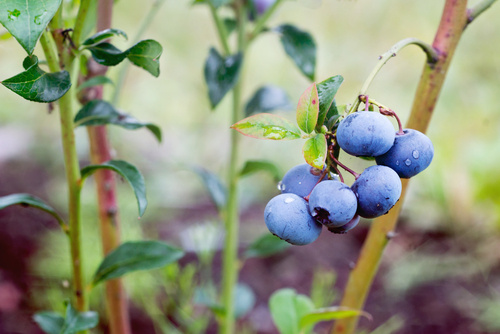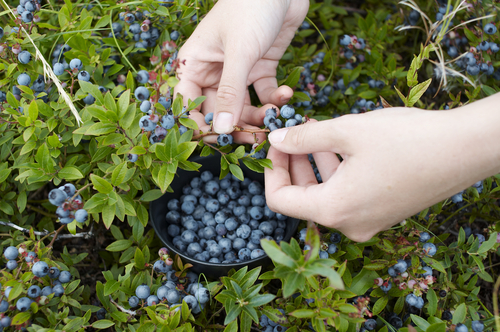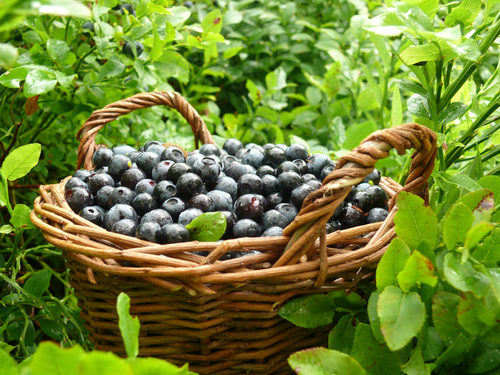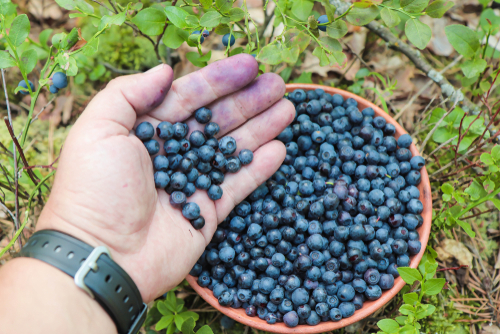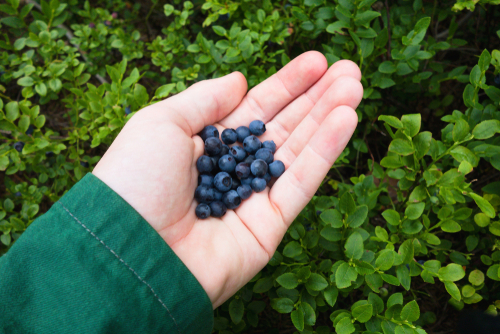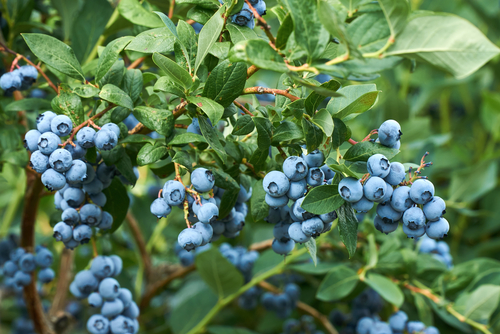
Not all blueberries are created equal! First off, it’s important to know the difference between the wild bog blueberries native to Europe and the cultivated varieties that originally hail from North America. Even within those two groups, there’s a huge world of different cultivars to explore.
Buying Cultivated Blueberries at the Garden Center
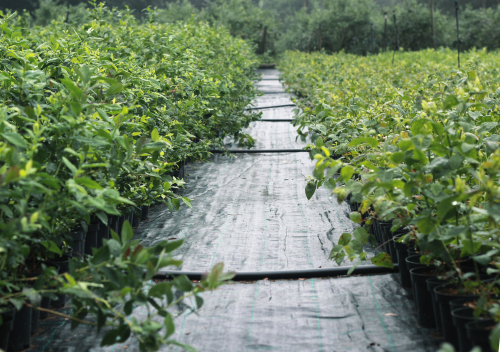
When you head out to your local nursery or big-box garden center in search of a young plant, you’re almost always going to find cultivated blueberries. These have pretty much become the gold standard for home gardeners. If you have your heart set on a wild variety, you’ll have to do some serious hunting or try to transplant one from the woods—though if you go that route, definitely check with your local forestry office first to make sure you have the green light to take one!
In all honesty, cultivated blueberries are just better suited for backyard gardening. They’re low-maintenance and give you a much bigger harvest. Wild blueberries naturally grow in marshy, light forest soil, which is surprisingly hard to replicate in a standard garden bed. Plus, even with the best TLC in the world, a wild bush just won’t produce the same volume of fruit as a cultivated one. For most of us, the cultivated varieties are the clear winner.
Which Variety Should You Pick?
Once you’ve decided on cultivated blueberries, you still have to narrow down the specific variety. There are over 100 types of blueberries worldwide, though you’ll usually only find about 30 of the most popular ones on the market. When choosing, you want to look for high yields, winter hardiness, ease of care, and drought resistance. You’ll also want a plant that can stand its ground against common pests and diseases.
One of the all-time favorites is “Bluecrop.” It checks every single box I just mentioned. Here are a few other tried-and-true varieties that are perfect for home growers:
- Blueroma: Harvest starts in August; features very large berries with an intense aroma.
- Duke: Harvests in June and July; an early-season variety that grows upright and produces tons of fruit.
- Blue Dessert: Harvests in August; known for its sophisticated, sweet flavor and great frost resistance.
- Bluesbrothers: Harvests July to August; a bushy plant that offers some of the highest yields out there.
- Buddy Blue: Harvests August to October; produces light-colored berries that grow in grape-like clusters.
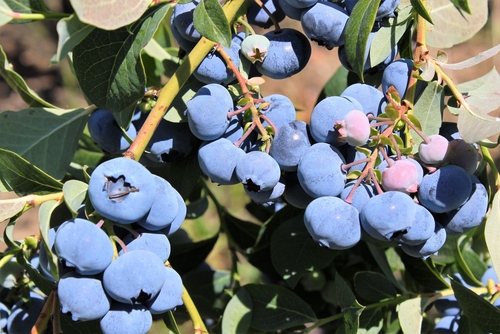
- Pink Lemonade: Harvests August to September; a fun twist with bright pink, super-sweet fruit.
Enjoy Fresh Blueberries for Months
Here’s a pro tip: if you’re smart about combining different varieties, you can snack on fresh berries from early summer all the way into fall. For example, if you plant “Duke,” you’ll start picking berries in late June. Add some “Bluesbrothers” to the mix, and you’re covered through July and August. Finally, round things out with “Buddy Blue,” which has an harvest window that stretches from August into October.
Mixing varieties doesn’t just extend your snacking season; it also prevents you from being overwhelmed by too much fruit at once. While blueberries do ripen gradually on the bush, a full hedge of the same variety can produce a massive amount of fruit in one go. Since blueberries only stay fresh in the fridge for a few days, spreading out the harvest is definitely the way to go!