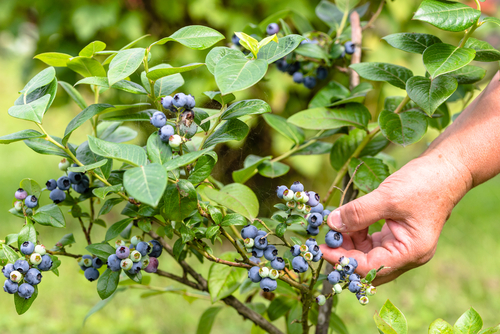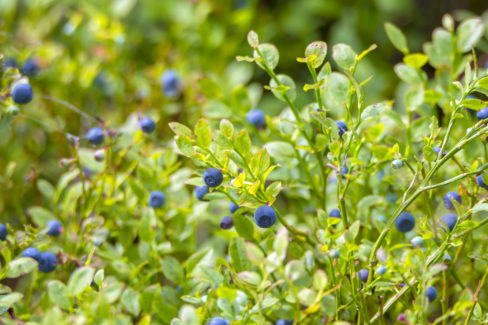
While wild blueberries stay cozy under the canopy of boggy forests, the highbush blueberries in our gardens need a little extra TLC to survive the winter chill. If you want your bushes to bounce back with a huge harvest next summer, here’s the lowdown on getting them through the frost.
Winterizing Blueberries: Garden Beds vs. Containers
When it comes to winter prep, the strategy depends entirely on whether your plants are in the ground or in containers. Pots are much more vulnerable to freezing temperatures because the roots aren’t insulated by the earth. Ideally, you should move potted blueberries to a sheltered spot—think somewhere cool, dry, and definitely frost-free, like an unheated garage or a shed.
If you don’t have a spot indoors, don’t worry! You can still protect them outside. Push the pots up against a south-facing wall for warmth and set them on an insulating base (like a wooden pallet or a thick piece of Styrofoam) to keep the frost from creeping up from the ground. Wrap the pot itself in burlap, garden fleece, or even bubble wrap, and cover the soil with a layer of brushwood or evergreen branches.
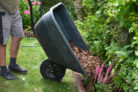
For blueberries planted directly in your garden beds, your main goal is to insulate the root zone. You can keep those roots nice and toasty by mulching the base of the plants with:
- Straw
- Pine bark mulch
- Garden fleece/frost blankets
- Pine or spruce boughs