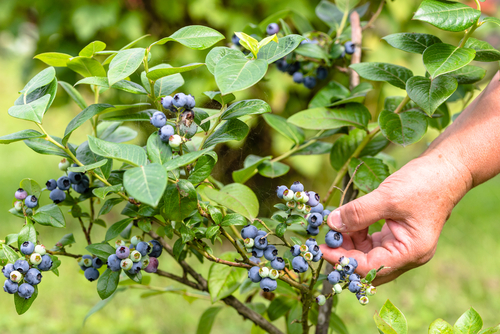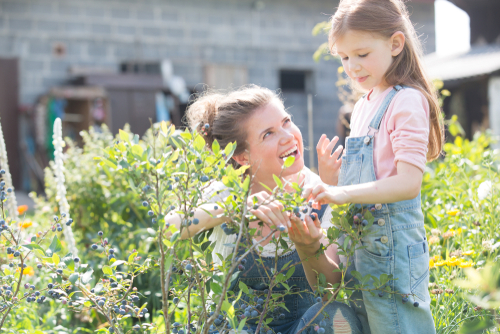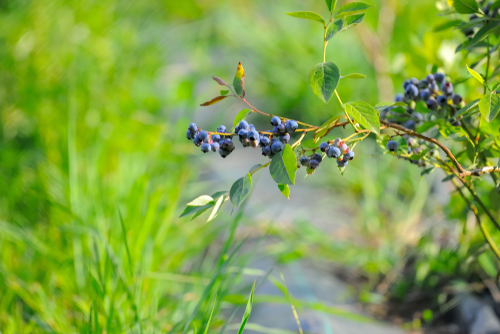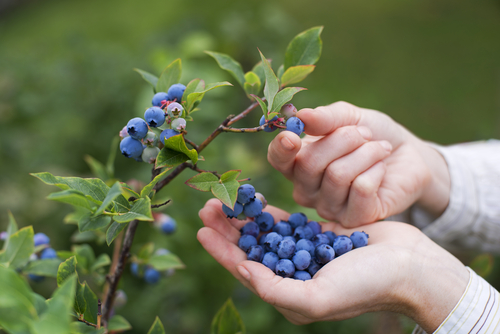
If you’re tired of trekking through the woods just to find a handful of wild berries, why not bring the harvest to your own backyard? While the highbush blueberries we grow in gardens are a bit different from the tiny wild ones found in the forest, they are just as delicious—and a whole lot easier to pick!
Keep Those Blueberries Hydrated
To make sure you’re picking big, juicy berries from July through August, you’ve got to stay on top of watering. Blueberries love soaking up the sun, but those full-sun spots mean the soil can dry out fast during a summer heatwave. On those scorching days, give your shrubs a little extra love and a deep soak.
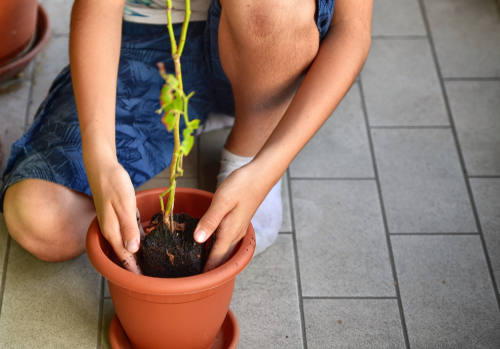
One thing to keep in mind: blueberries are pretty picky about lime. Too much lime in your water can actually block the plant from taking up iron, which will hurt your shrubs over time. Your best bet is to use rainwater or filtered, low-lime water. If your backyard soil is naturally alkaline (high lime), don’t sweat it! You can easily grow blueberries in containers. This gives you total control over the soil—using a standard rhododendron potting mix is a pro tip for keeping them happy.
Feeding Your Blueberry Bushes
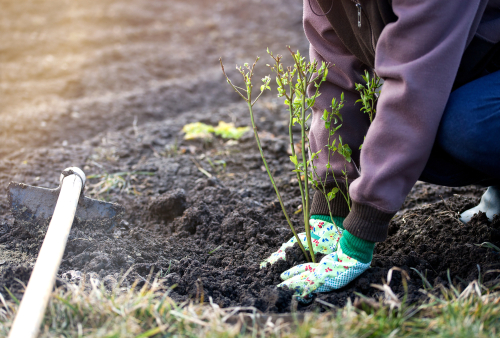
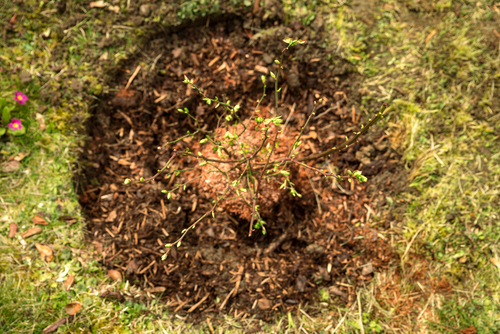
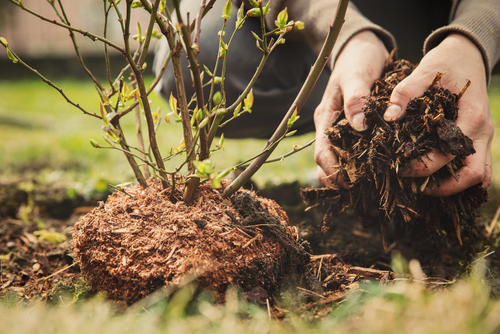
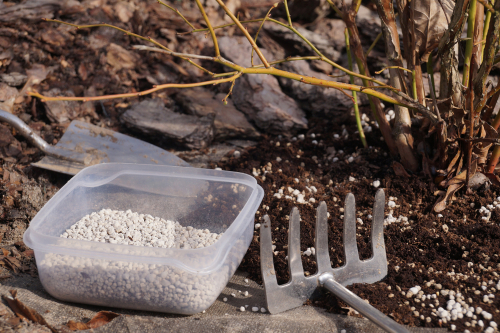
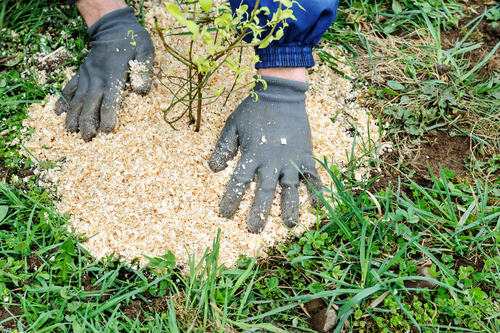
When it comes to nutrients, blueberries are actually pretty low-maintenance. They aren’t “heavy feeders,” so you don’t need to go overboard. When you first plant them, mixing in some horn shavings or a gentle organic starter is usually plenty. The most important thing is to keep the soil acidic; you don’t want a heavy fertilizer messing with that pH balance. For a gentle, natural boost, try mulching with:
- Pine needles
- Spruce needles
- Bark chips
- Mulched conifer clippings
Pruning for a Better Harvest
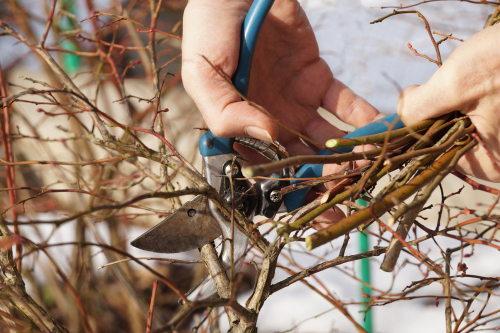
For the most part, you don’t need to worry about heavy pruning just to get fruit the following year. Most garden varieties will reach their full height (up to about 10 feet) after a few years and stay there. However, if you notice old, woody, or overly twiggy branches, it’s a good idea to thin them out.
If you let the bush get too crowded, it might stop flowering as much, which means fewer berries for your morning pancakes! The best time to prune is in the fall after the harvest is over. This way, the plant isn’t stressed by the summer heat while it’s trying to heal.