Bog plants are absolute pros at handling the unique conditions of a wetland environment. If you’re looking to build your own bog garden or have a spot in your yard that’s consistently damp and low in nutrients, these plants will feel right at home.
[[pflanzen]]
++Mountain Laurel (Kalmia latifolia)

Looking for something that brings a pop of color to your bog garden? Mountain Laurel is a fantastic choice. Its glossy leaves look a lot like bay leaves, and starting in June, it produces stunning, wide bell-shaped flowers. While this plant is somewhat hardy and can handle a light frost, it’s a good idea to give it some extra winter protection before the real deep freeze sets in.
++Japanese Camellia (Camellia japonica)

The elegant Camellia also does quite well in boggy soil. However, since these beauties are a bit hungrier for nutrients, I recommend mixing some peat into the soil to keep them happy and well-fed. If you’re growing them in containers or an exposed garden bed, make sure to move them to a sheltered spot or wrap them up when winter hits. They prefer a “Goldilocks” spot—not too much deep shade, but definitely not scorching full sun. Fun fact: Camellias are even popular as bonsai trees!
++American Cranberry (Vaccinium macrocarpon)

The American Cranberry is a classic staple of bogs and heathlands, so it’s perfectly adapted to these specific conditions. This makes it incredibly low-maintenance—perfect if you want a “set it and forget it” plant. Adding this to your bog garden provides a lovely carpet of dark green foliage and, of course, those iconic red berries.
++Venus Flytrap (Dionaea muscipula)
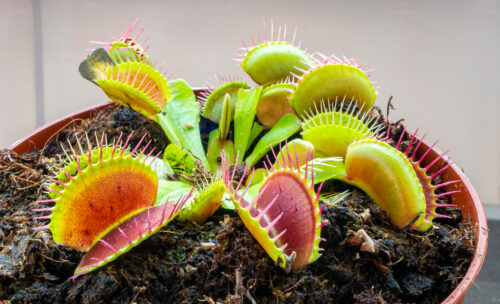
You can’t talk about bogs without mentioning carnivorous plants! The Venus Flytrap is probably the most famous of the bunch. While many people keep them as indoor novelties, they actually love being outdoors in a bog garden during the summer months. Their unique, “toothy” look makes them a real conversation starter in any garden setup.
++Cross-Leaved Heath (Erica tetralix)

If you want to add a bit of a “Northern European” vibe to your garden, Cross-Leaved Heath is the way to go. It has a tidy, herbaceous growth habit that looks great in both bog beds and patio containers. During its blooming season, you’ll be treated to delicate pink flowers. For the best results, find a spot for this one that gets plenty of bright sunlight.
++Wild Calla (Calla palustris)

For a touch of elegance, you can’t beat the Wild Calla (also known as Water Arum). It features a striking white bloom—actually a modified leaf—that stands tall on a sturdy stem. When it’s in full bloom, it really stands out, even from a distance. It’s a versatile choice that works just as well on the edge of a pond as it does in a damp boggy area.
++Rhododendron (Rhododendron)

The ever-popular Rhododendron is actually a great candidate for a bog garden. Since they are naturally at home in forest regions, they handle damp, shadier spots with ease. Just keep in mind that Rhodies are heavy feeders. To keep them thriving, be sure to use a dedicated rhododendron soil mix around the roots when you plant them to provide the acidity and nutrients they crave.
++Round-Leaved Sundew (Drosera rotundifolia)