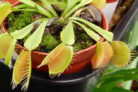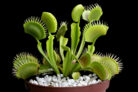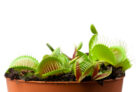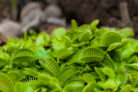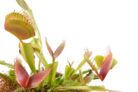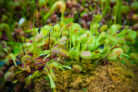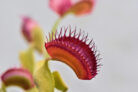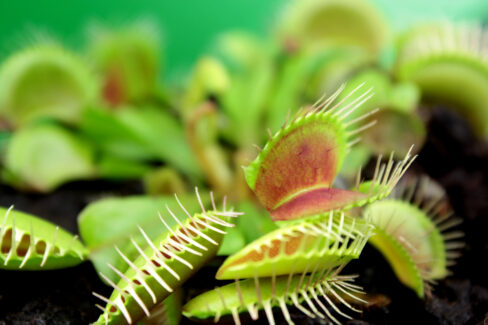
When you think of carnivorous plants, the Venus Flytrap is probably the first one that pops into your head. It’s easily the most famous “bug-eater” out there, known for those iconic snap traps that look like little green mouths. While they seem exotic, these unique plants are a favorite for indoor gardeners who want to add a bit of drama to their windowsill.
Quick Plant Profile
- Botanical Name: *Dionaea muscipula*
- Family: Sundew family (*Droseraceae*)
- Type: Herbaceous perennial
- Diet: Carnivorous (insect-eating)
- Species: Monotypic (there’s only one true species!)
- Natural Habitat: Pocosin bogs (North and South Carolina, USA)
- Preferred Spot: Sunny and very damp
- Size: Up to 4 inches
- Growth Rate: Can grow up to 4 new traps per month
- Lifespan: Can live up to 50 years with proper care
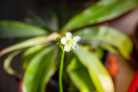
- Flowers: Small white blooms on stalks up to 20 inches high
- Foliage: Bright green leaves
- Propagation: Can be grown from seeds, leaf cuttings, or division
- Trap Mechanism: Snap trap
- Hardiness: Needs protection in winter; not fully frost-hardy
- Best Used For: Ornamental indoor plants or specialized bog gardens
A Little History: On the Map Since the 18th Century
Believe it or not, the Venus Flytrap is a true American native! It was first documented back in 1759 near Wilmington, North Carolina. Once word got out about a plant that actually “ate” meat, it became a global sensation. Unfortunately, its popularity led to over-collection in the wild, putting it on the endangered list for a while. Today, while it has been introduced to parts of Northwest Florida, it’s widely cultivated in nurseries, making it easy for plant lovers to own one without harming wild populations.
The Secret Underground: A Unique Root System
If you ever decide to propagate your Flytrap via cuttings, you’ll notice something interesting about the roots. It starts with a primary taproot to anchor itself, but that eventually fades away. In its place, the plant develops a shallow root system that only goes about 6 inches deep. The real powerhouse is the rhizome (an underground stem); even if the leaves above ground die back, the rhizome can sprout brand-new growth when conditions improve.
How the Snap Trap Works
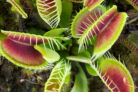
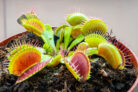
The inside of the trap is often a deep, tempting red, which acts like a neon “Open for Dinner” sign for insects. When a bug lands and touches the tiny trigger hairs, the trap snaps shut in a fraction of a second, locking the prey inside. Once closed, the plant releases digestive enzymes to break down its meal—a process that takes about ten days. Just a heads-up: each individual trap has a limited lifespan and will usually die off after snapping shut about seven times, so try to resist the urge to poke them!