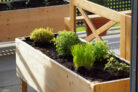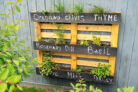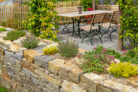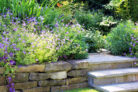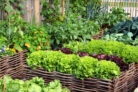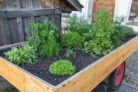
Sure, you could just stick your herbs in a regular garden bed. It works, but let’s be honest—it’s a little boring. If you want to level up your garden game, a custom wooden herb bed is the way to go. Not only does it make your aromatic plants the star of the show, but it also serves as a gorgeous focal point for your outdoor space. Plus, there are some seriously practical perks to going with wood.
Why You’ll Love a Wooden Herb Bed
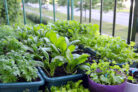
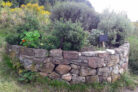
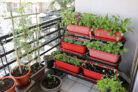
One of the best things about wood is how customizable it is. You can saw it to any size, meaning your herb box can fit perfectly into whatever space you have available. Wooden planters are also much lighter than stone herb spirals, making them a fantastic option for an apartment balcony garden. Here are a few more reasons to love them:
- It’s eco-friendly—you can easily upcycle old wood.
- New lumber is usually pretty budget-friendly.
- You can build it tall to save your back from all that bending over.
- They make great natural dividers or privacy screens for your patio.
- When empty, they’re super easy to move around.
- Add some heavy-duty casters, and you can even roll them around when they’re full!
- You have total control over the soil mix.
- Voles and other critters can’t get to your plants.
- It keeps invasive herbs (looking at you, mint!) from taking over the whole yard.
- You can add dividers to keep different herbs in their own “rooms.”
- Adding feet keeps the wood off the damp ground, preventing rot.
Pro Tip:
When you’re at the hardware store, don’t just look at the price tag. Ask about weather-resistant wood species like cedar or redwood. Choosing the right material will significantly extend the life of your planter.
DIY: Building Your Own Bed
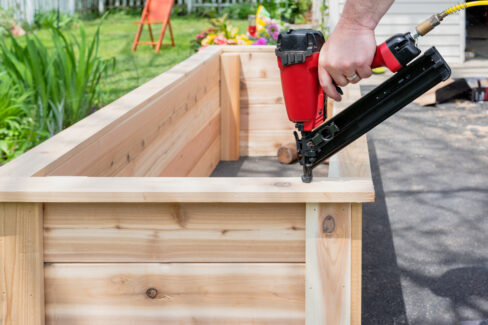
There are two main ways to go about this: you can build a fully enclosed box with a bottom, or a simple frame that sits directly on the garden soil. Just a heads-up on the dimensions—try to keep the width under 4 feet. Anything wider makes it a real pain to reach the plants in the middle, especially if you’ve built a taller raised bed.
When it comes to assembly, there are plenty of ways to screw the boards together—using metal corner brackets is usually the easiest way for beginners. Use your best DIY judgment or ask a pro at the store for advice. To keep the wood from rotting, I highly recommend lining the inside with landscape plastic or a pond liner. If your bed is open at the bottom, don’t forget to staple some hardware cloth (wire mesh) to the base to keep those pesky voles out.
Another Great Option: The Pallet Herb Garden
If you can get your hands on some cheap (or free!) shipping pallets, you’re halfway there. With just a few basic tools, you can transform a pallet into a vertical herb wall, a tiered planter, or a classic raised bed. It’s a creative, functional, and super trendy way to grow your kitchen garden on a budget.