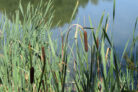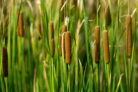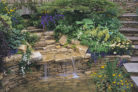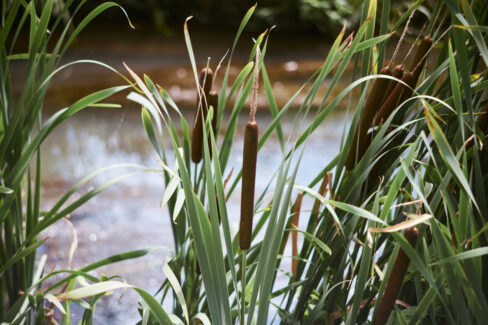
Cattails—sometimes called “nature’s corn dogs” or “water torches”—thrive in soggy, marshy soil and along the edges of ponds and slow-moving water. If you’re thinking about adding some to your own backyard pond, they’re a fantastic choice, but there are a few things you should know before you dive in.
Ways to Grow Them in Your Yard
Just like other reeds and grasses, cattails love having “wet feet.” This means you don’t have to limit them strictly to the pond; they also work great in:
- Dedicated garden ponds
- Naturally boggy or swampy areas of your yard
The Perks of Having Cattails in Your Pond
Planting cattails directly in your pond offers more than just a cool, rustic look. These tall green stalks act as a natural high-rise for local wildlife, providing a home for insects, birds, and even the occasional frog or turtle. Plus, they’re like a built-in filtration system! Cattails pull their nutrients directly from the water, which starves out annoying algae and helps keep your pond crystal clear.
The Downside of Pond Life
Even though they have plenty of natural benefits, there are a few “gotchas” to watch out for. While the cattail’s roots (rhizomes) aren’t usually aggressive enough to damage a pond liner on their own, they are a favorite snack for muskrats and voles. These critters can accidentally chew through your pond liner while trying to get to the roots.
Also, because they are so good at absorbing nutrients and growing, they can eventually lead to “siltation”—basically, they can turn your open water into dry land over time. Keep a close eye on your pond so you can thin them out if they start taking over.
Choosing the Right Variety for Your Water Depth
Not all cattails are created equal! You’ll want to pick a variety that fits your pond’s depth. The Common Cattail (Broadleaf) can tower up to six feet tall and loves deeper water, usually around three feet deep. If you have a smaller setup, look for Miniature or Dwarf Cattails. These stay much smaller and thrive in shallow water (about four inches deep) or right along the muddy shoreline.
Pro Tip: Use Planting Baskets
Cattails are famous for being “garden grabbers”—they spread fast and can crowd out your other aquatic plants before you know it. To keep them in check, I highly recommend planting the rhizomes in specialized planting baskets. This contains the root system and prevents them from colonizing the entire pond.
Easy-Breezy Maintenance
The best part about cattails? They are incredibly low-maintenance. Once they’re in the water, you don’t need to worry about watering them (obviously!) or adding fertilizer. Just give them a quick trim in the fall by cutting back the brown, withered stalks above the waterline to keep things looking tidy for next spring.