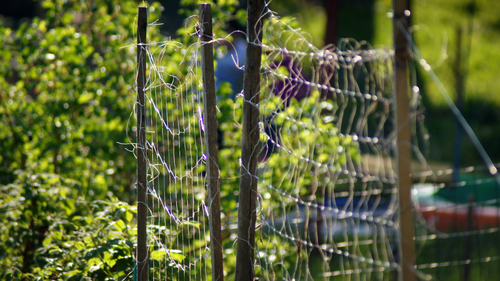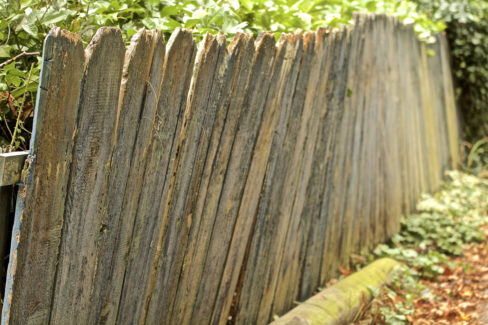
Looking for a way to add some rustic charm to your yard without breaking the bank? Let me introduce you to the picket-style split rail fence—or what many call a “paling fence.” It’s the perfect, eco-friendly way to frame a cottage garden or mark your property line while keeping that natural, breezy look. The best part? You can easily DIY this over a weekend with just a few basic materials.
The Paling Fence: A Natural Boundary
A natural wood fence is the ultimate finishing touch for a wildflower meadow or a classic farmhouse garden. It’s low-maintenance, budget-friendly, and blends right into the landscape. If you’re looking for a project that offers high curb appeal for minimal effort, this is it!
Choosing the Right Wood
When it comes to longevity, you want to pick the right species. I highly recommend Oak or Sweet Chestnut. These woods are naturally dense and rot-resistant. The best part? They don’t need to be treated with harsh chemicals or sealants to stand up to the elements—they’ll weather beautifully all on their own.
What You’ll Need
To build a fence roughly 33 feet (10 meters) long and 4 feet (1.20 meters) high, grab these supplies:
- A roll of wood paling/stave fencing (Chestnut or Oak is best)
- 6 to 8 pointed fence posts (about 3 to 4 inches in diameter)
- 1 or 2 smaller support struts for each corner post
- Basic tools: A handsaw, a level, a sledgehammer, and a crowbar or spade
- A cordless drill or screwdriver
- Galvanized lag screws and some galvanized wire or wood screws
Step-by-Step: Building Your Fence
Before you drive that first post, save yourself a headache by marking your fence line with a string. This ensures everything stays nice and straight. Once your line is set, here’s what to do:
- Use your spade or crowbar to loosen the soil where your corner posts will go.
- Place your pointed posts and drive them about 20 inches (50 cm) into the ground using your sledgehammer. Space them out roughly 5 to 6.5 feet apart. Don’t forget to check them with your level to make sure they aren’t leaning!
- Reinforce your corner posts by screwing in one or two support struts at an angle.
- Unroll your fencing material along the line and secure it to the posts using your galvanized wire or wood screws.
Adding a Touch of Green
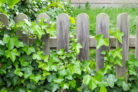
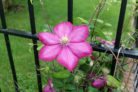
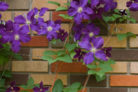
One of my favorite things about these fences is how well they play with plants. You can turn your fence into a “living wall” by adding climbers. For a pop of color, try Black-eyed Susan vines or fragrant Sweet Peas. Just tuck the vines between the slats, and they’ll happily weave their way across, creating a beautiful, flowering screen.